A squaring trial becomes hard to interpret the moment machine settings, wheel identity, and tile input all change between runs. The observed edge result may then belong to any one of those changes, to a combination of them, or to a condition nobody recorded. For a plant deciding whether to change a wheel order, adjust a line, or accept a new tile input, that ambiguity is the real cost — it pushes the decision onto whoever argues most convincingly rather than onto evidence the trial can actually support. Structuring the trial starts with deciding what will be deliberately varied, what will be held, and what will be measured before the first run.
Define One Trial Question and Its Observable Response
A squaring trial should begin with a single decision question and the evidence that would answer it. NIST’s experimental-design framework treats an experiment as deliberately changing process factors to observe their effect on response variables, and it expects the objective and factors to be selected in advance (NIST/SEMATECH, What Is Experimental Design?). A broad aim such as “find the best setup” does not satisfy that condition: it names no factor, no response, and no comparison, so any outcome can be rationalized afterward.
Practically, the question is often narrower than buyers expect — for example, whether one squaring-wheel configuration produces a different observed edge result than another on a defined tile input, with the machine line held as recorded. That phrasing identifies the deliberate change, the tile condition, and the response to be observed. It also makes the inconclusiveness explicit: a result from one configuration on one tile group does not establish what happens on a different material, thickness, or source group.
Several project unknowns should be settled with the trial designer and, where relevant, the supplier before runs begin. Which response measures apply to this squaring task, how many repeated runs are needed, and what acceptance position the factory would treat as decisive are not supplied by general experiment-design guidance — they depend on the project objective, the machine line, and the material. If those are left open, the trial may be well executed and still settle nothing, because no one agreed in advance what result would change a purchasing or process decision.
Classify Machine, Wheel, and Tile Factors
Before any run, every recorded item should carry exactly one analytical role. NIST distinguishes controllable inputs, response variables, and uncontrolled factors, which means an item cannot be treated as both a deliberate change and a held condition in the same comparison. Tile-side entries also need bounded categories: ISO 10545-2 identifies dimensional and surface characteristics of ceramic tiles, which gives a defensible vocabulary for describing the tile input rather than a loose description of “the same tile” (ISO 10545-2:2018). That standard defines test-method categories; it does not set machine tolerances, assign causes, or provide pass/fail values for this trial.
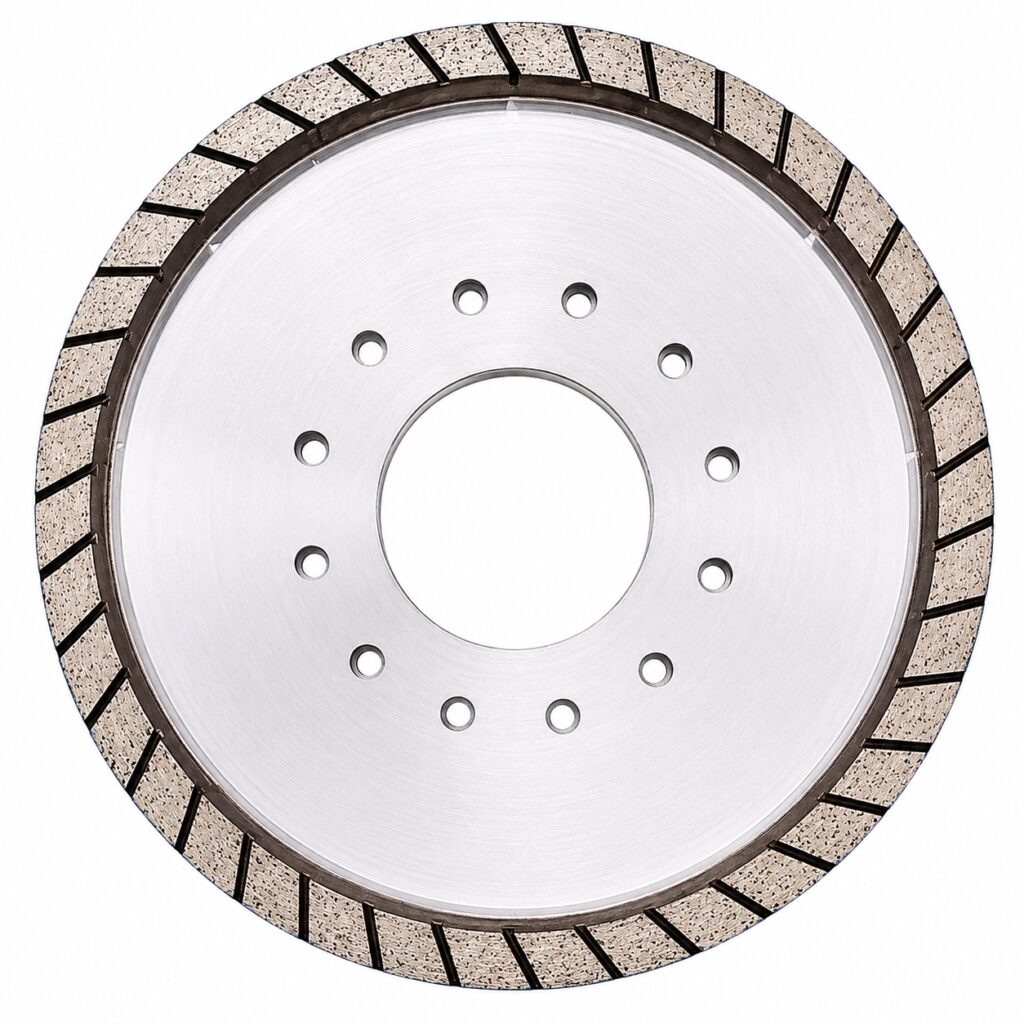
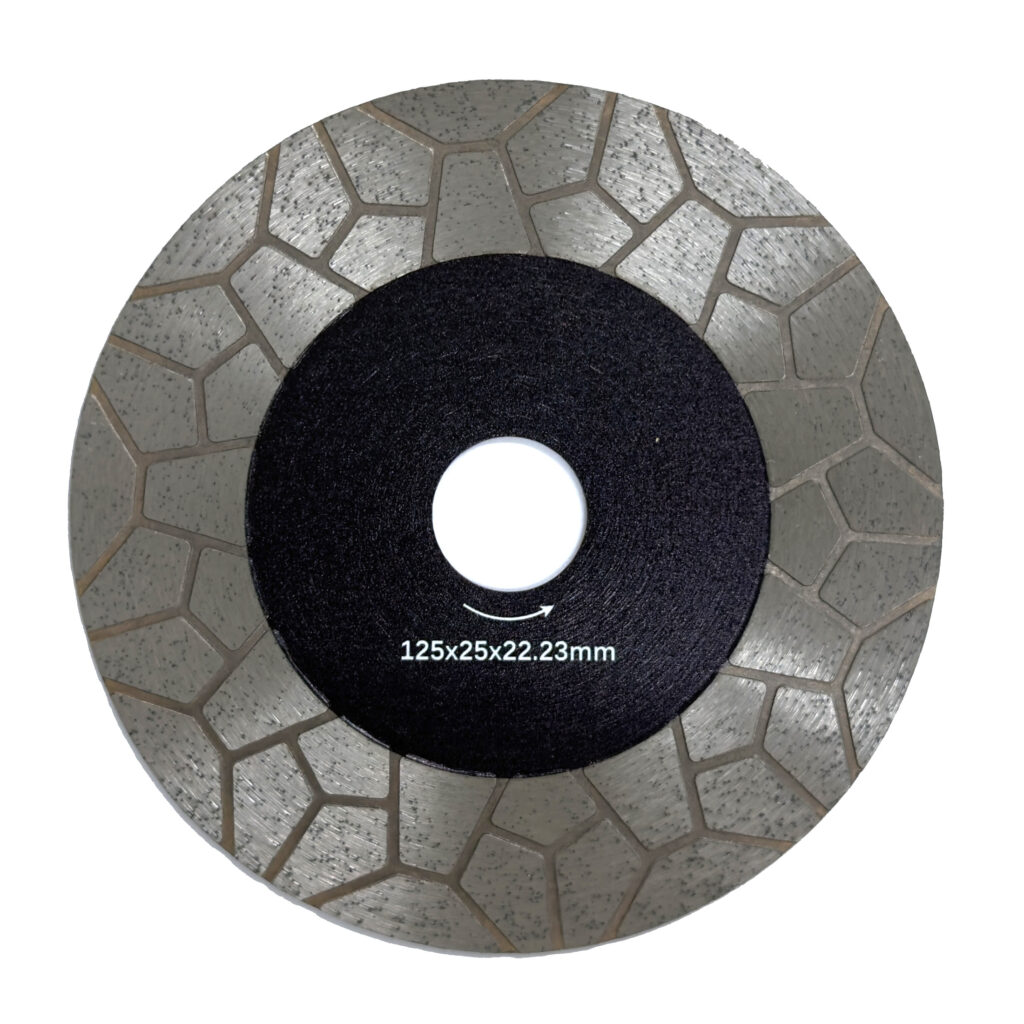
Machine-side entries should be limited to project-confirmed settings and configuration identifiers, recorded as values rather than as labels such as “normal.” Wheel-side entries need a traceable wheel identity plus the supplier-confirmed configuration, because a wheel reference that cannot be matched to a delivered specification cannot support a later purchasing decision; BASAIR’s listed dry and wet squaring-wheel contexts are the relevant entry point for confirming what a given wheel order actually contains (Diamond Squaring Wheels). No universal wheel compatibility should be read into that listing — matching depends on the material, the process task, and the machine interface confirmed for the project.
| Trial item | Possible project role | What must be recorded | Boundary |
|---|---|---|---|
| Machine configuration or setting | Deliberately varied factor or held condition | Project-confirmed identifier and value | No setting or acceptable range is supplied here |
| Squaring-wheel configuration | Deliberately varied factor or held condition | Traceable wheel identity and supplier-confirmed configuration | No universal wheel compatibility is implied |
| Tile input | Deliberately varied factor or held condition | Sample label, source group, and relevant tile characteristics | The qualified trial designer must choose the role |
| Process context | Held condition or uncontrolled/context factor | Agreed dry/wet context and other recorded conditions relevant to the project | Do not treat an unrecorded condition as constant |
| Result evidence | Response variable or observation | Agreed response definition, method, and run-linked result | No threshold or causal conclusion is created |
The dry/wet route belongs in this classification discipline. It is a machine-line context that shapes which equipment and tool family is relevant, so it should be recorded explicitly and held consistent inside a comparison — unless the trial designer has deliberately made it a varied factor with the structure to support that.
Choose a Structure That Does Not Hide Interactions
One-factor-at-a-time trials do not account for interactions, meaning the response to one input can depend on the level of another input (NIST/SEMATECH, One Variable at a Time). In a squaring context, that general method point matters because the things a buyer most wants to separate — machine settings, wheel configuration, and tile input — are exactly the kind of inputs whose effects can be entangled. A trial that changes a wheel and a machine setting together, then changes only the tile group, cannot tell the reader which change produced the result.
This is not an argument for a particular design. NIST’s guidance describes why interactions can be missed; it does not prove that a specific interaction exists on a given squaring line, and it does not select a design for a project. If the decision genuinely requires separating machine, wheel, and tile effects, the appropriate detailed structure should be determined by a qualified trial designer using the stated deliberately varied factors, held conditions, response, uncontrolled or context factors, and the interactions that are plausible for the project. Factor levels, available runs, resource limits, and how the response behaves all belong to that determination.
Changing several items between runs produces a result, but not an identifiable cause.
Where the project cannot support a structure that separates the factors, that limitation should be stated in the trial conclusion rather than worked around. A plant can still gain useful evidence — it simply cannot claim more separation than the run layout provides.
Freeze a Comparable Record for Every Run
Comparability is a property of the record, not of memory. NIST’s framework ties controlled inputs to measured outputs, and ISO 10545-2 supplies a bounded set of tile-characteristic categories; together they support a fixed field structure applied identically to every run. The purpose is to prevent post-trial attribution: if a field was blank during the run, it remains unknown, and it should not be reconstructed afterward from what the result turned out to be.
| Record block | Required distinction | Why it matters |
|---|---|---|
| Run identity | Unique run and sample identifiers | Connect evidence to the correct run and tile input |
| Deliberate changes | Exact factors changed for this run | Show what the design intended to compare |
| Held conditions | Recorded values or confirmed unchanged state | Expose whether runs are comparable |
| Context factors | Known uncontrolled or environmental conditions | Preserve alternative explanations |
| Observed response | Method, observation, and status | Separate measured evidence from interpretation |
| Anomaly or missing field | Explicit note and owner | Keep unknowns from becoming assumed facts |
The same field definitions should be used for machine configuration, wheel identity, tile sample identity, held conditions, deliberate changes, observed responses, and anomalies across every run in the trial. A record that describes the wheel in one run by supplier reference and in the next by an internal nickname cannot be compared later, even if both runs were performed correctly.
Separate Observations, Analysis, and Project Decisions
Three things should stay visibly apart in the trial report. The first is what was observed: run-linked results, recorded with the method used and any anomalies. The second is what the design actually supports comparing — which factors were deliberately varied, which were held, and therefore which contrast the runs can speak to. The third is what remains an alternative explanation, including uncontrolled or context factors that were recorded but not controlled.
NIST’s design framework aims at valid and objective conclusions and explicitly recognizes interactions and experimental error, which is why the analysis should not be written as if the observed result identified a single cause. If two factors moved together, or if a held condition was only assumed constant, the report should say so at the point where the conclusion is drawn.
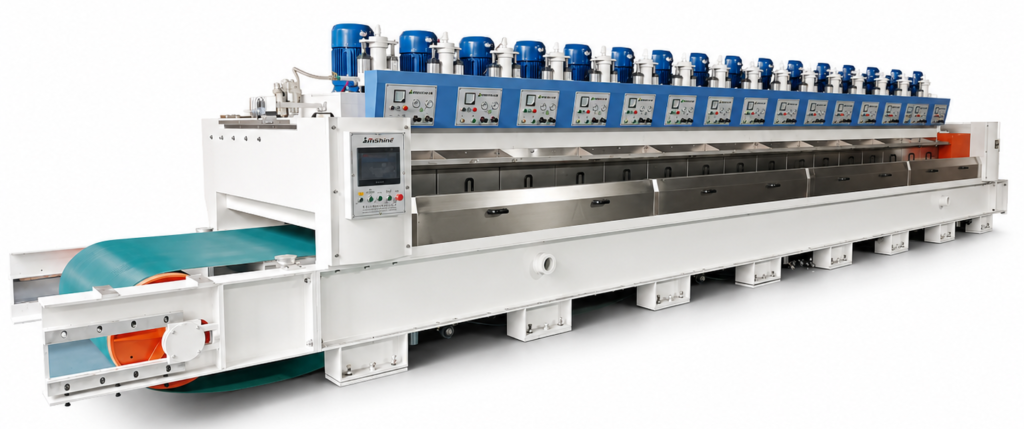
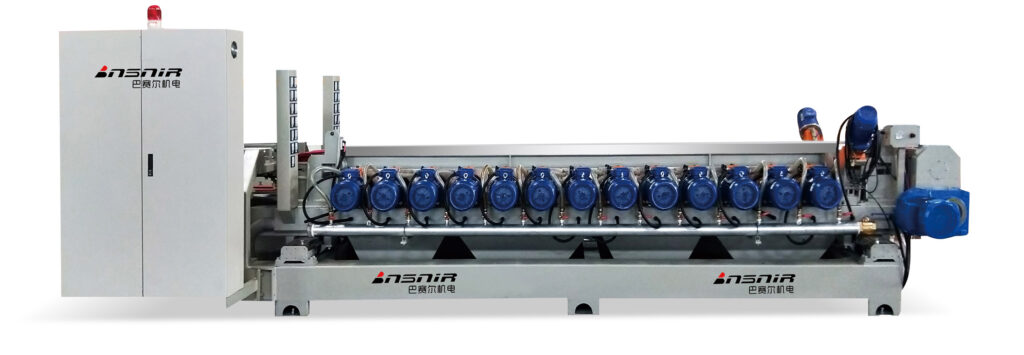
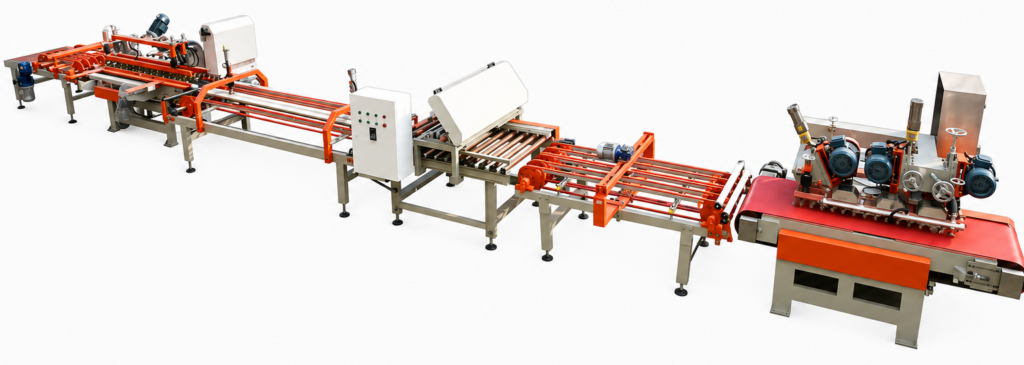
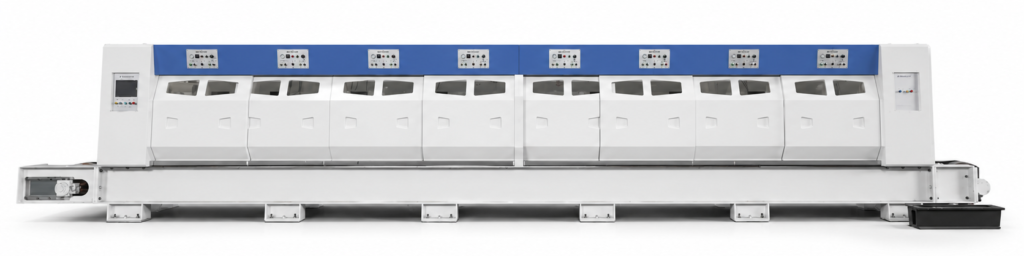
Project decisions sit beyond that boundary. Before changing a machine configuration, revising a wheel order, or shifting an acceptance position, the factory should identify what engineering or supplier confirmation is still required — including whether the dry or wet squaring route, the machine interfaces, and the tile input in the trial match the conditions the decision will actually apply to. BASAIR’s squaring and chamfering machine line is the relevant equipment-family entry point for that project-specific discussion (Squaring and Chamfering Machine Line). No trial plan, however well structured, establishes performance, compatibility, or a universal setup on its own; those conclusions depend on project-specific evidence and confirmation with the supplier against the confirmed material, process, and line requirements.
Frequently Asked Questions
Q: If we change the wheel, machine settings, and tile batch together, can the better result tell us what helped?
A: That comparison cannot isolate the cause of the improvement. Define the purchasing question and observable response first, then identify deliberate changes, held conditions, and context factors. A qualified trial designer can use those inputs to choose a structure that supports the comparison you need.
Q: Is changing one factor at a time enough to choose a wheel for different tiles?
A: It may miss interactions: the response to a wheel choice can depend on another input. Explain the tile range and machine conditions relevant to the decision and ask the trial designer to consider possible interactions. Their existence and the appropriate design still need project-specific assessment.
Q: What makes two run records comparable for a supplier discussion?
A: They need the same field definitions and traceable machine, wheel, tile-sample, and run identities. Record deliberate changes, confirmed held conditions, relevant uncontrolled factors, response methods and results, and anomalies. Leave an unrecorded condition explicitly unknown rather than assuming it stayed constant.
Q: When can a trial observation support changing our machine configuration or wheel order?
A: When the trial design supports the intended comparison and remaining alternative explanations have been addressed sufficiently for that decision. Present the observed result separately from the analysis, then identify the supplier or engineering confirmation still required before changing a configuration, order, or acceptance position.