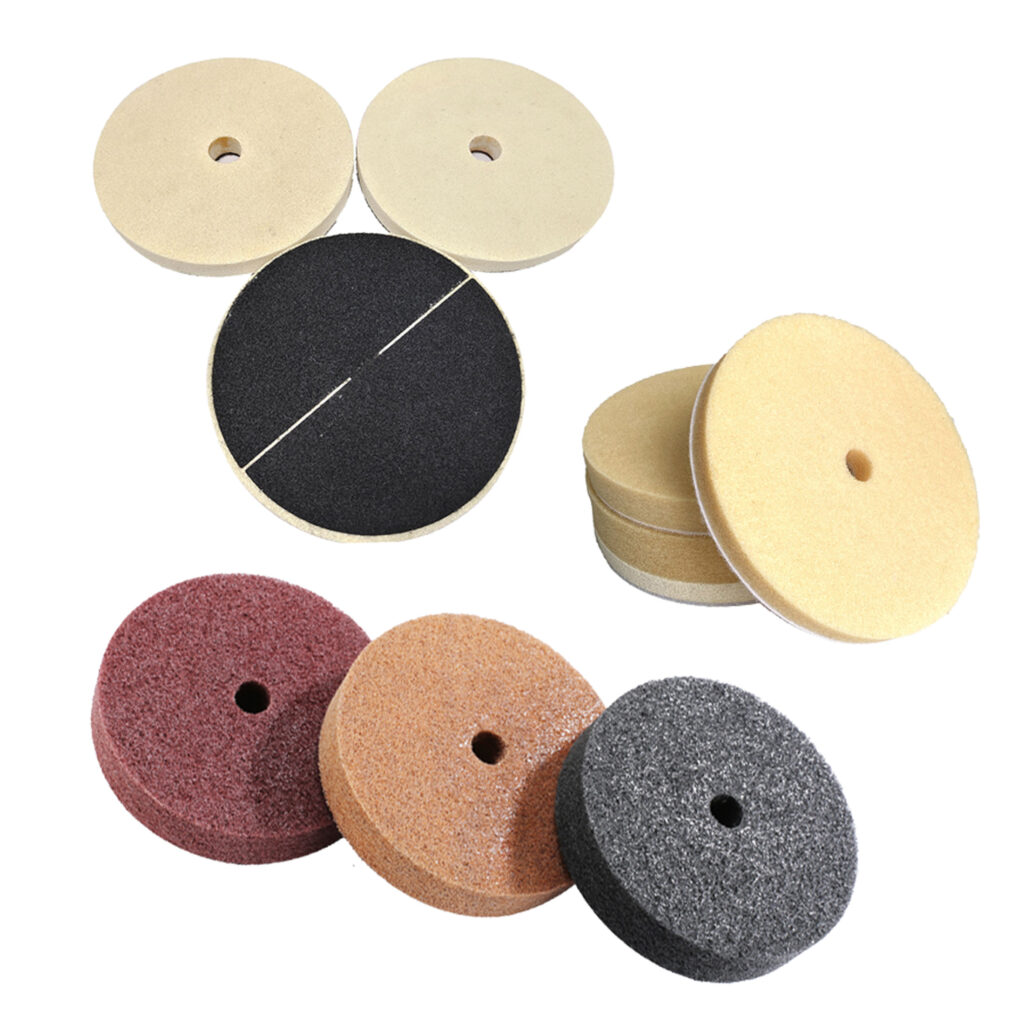
Use Lappato Abrasive Wear Patterns to Diagnose Line Problems
Read uneven block wear as a diagnostic clue, then compare head position, holder contact and process conditions before assigning a root cause.

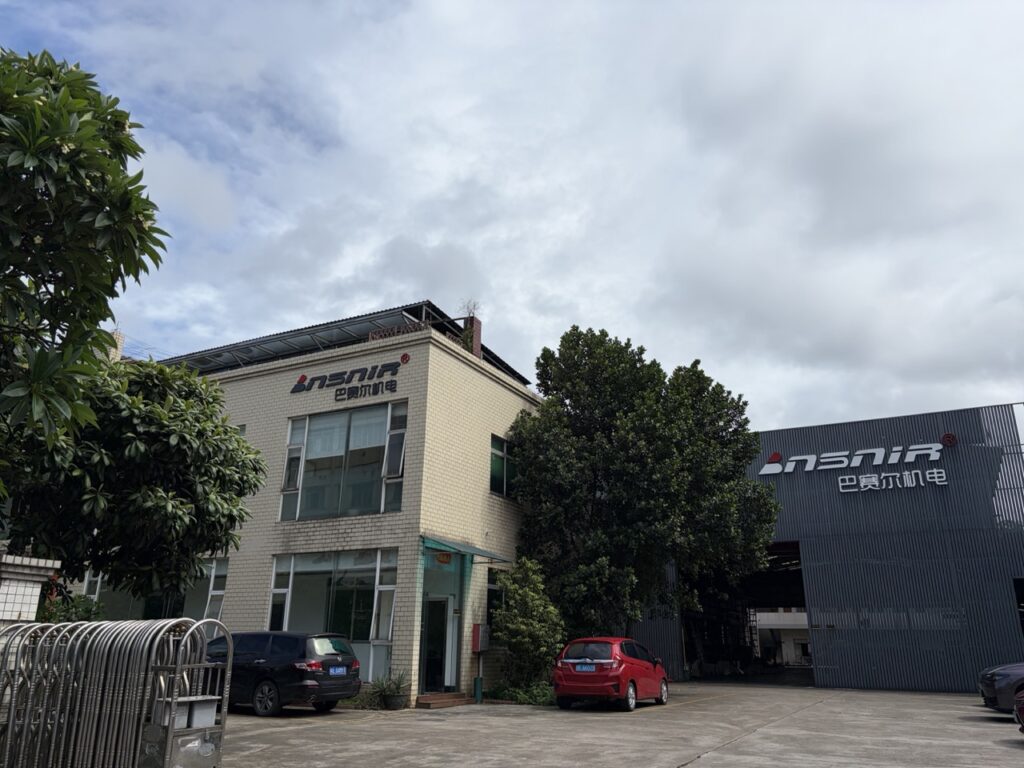
BASAIR supplies ceramic tile processing machinery together with matching abrasives, diamond tools and production consumables. Our solutions cover tile squaring, chamfering, polishing, cutting, waxing and surface treatment for ceramic and porcelain tile production.
From individual machines to coordinated processing solutions, we help tile factories select equipment and consumables according to tile material, dimensions, surface finish, processing speed and production requirements.
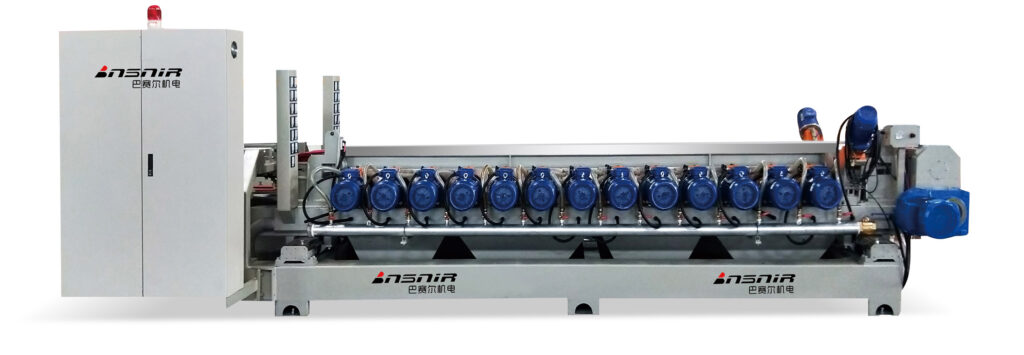
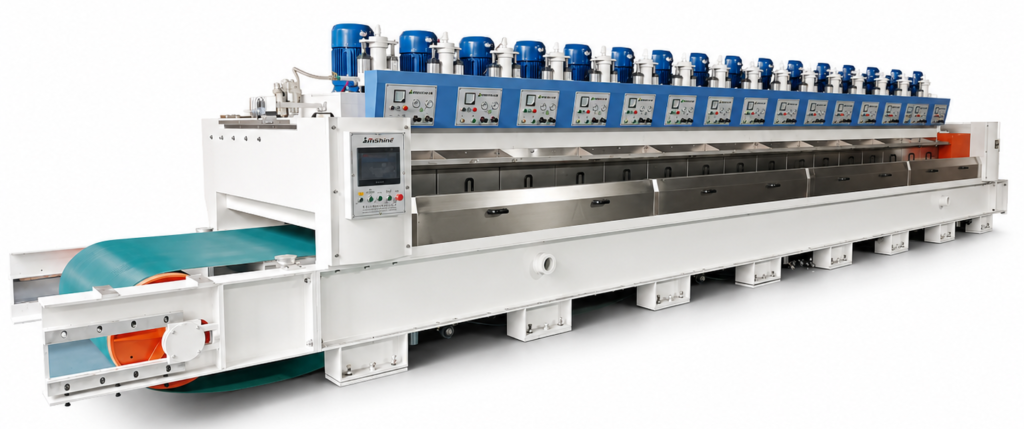
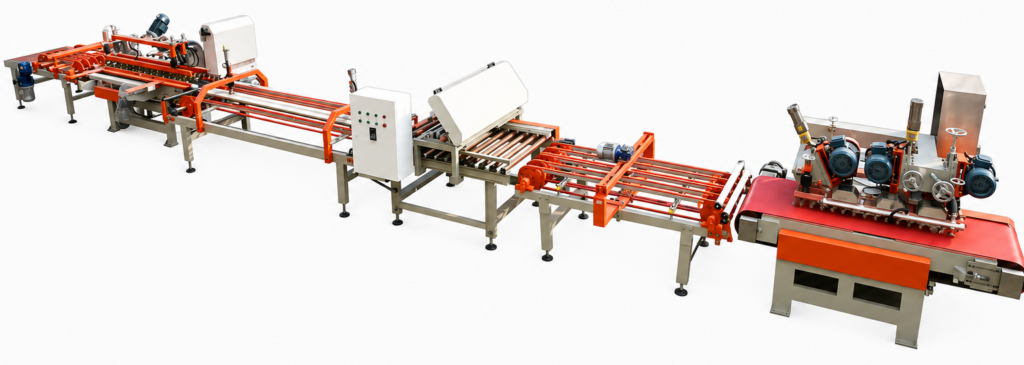
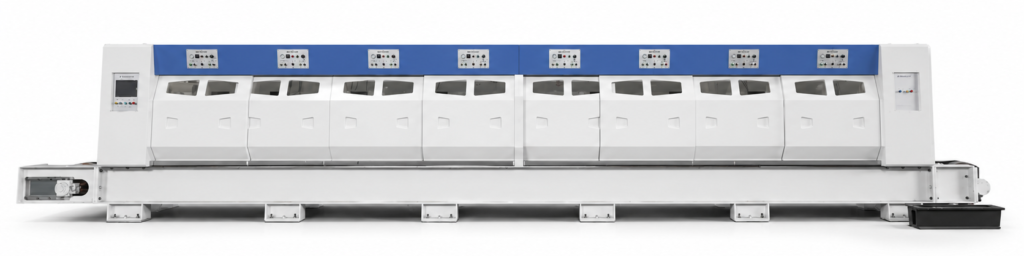
BASAIR provides machinery for essential finishing and secondary processing stages in ceramic tile production. Each machine can be configured according to tile size, production capacity and required finish.
Stable tile processing depends on correctly matched tools and consumables. BASAIR supplies abrasives and diamond tools for squaring, polishing, surface treatment and cutting applications.
Equipment performance is closely connected to the tools and consumables used on the production line. BASAIR helps customers match machines with suitable abrasives, wheels, brushes and blades according to the processing stage.
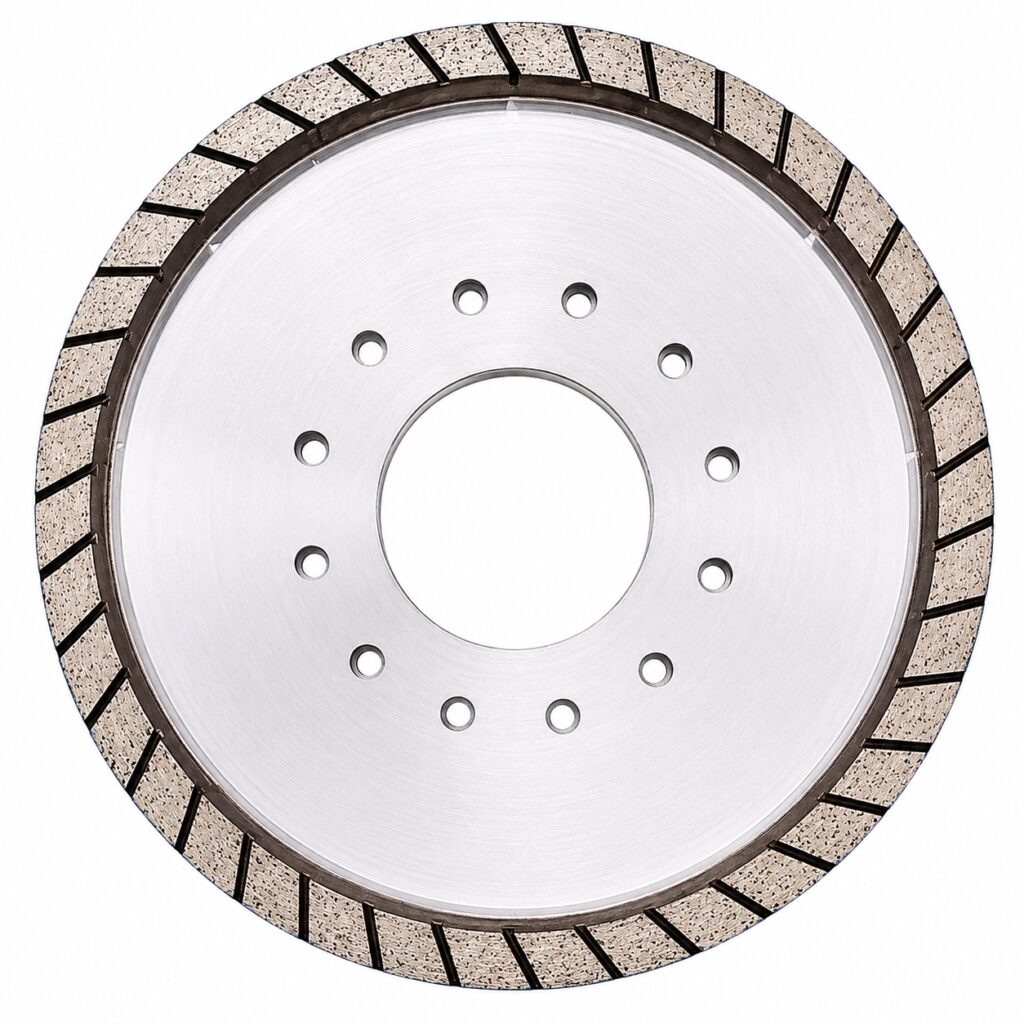
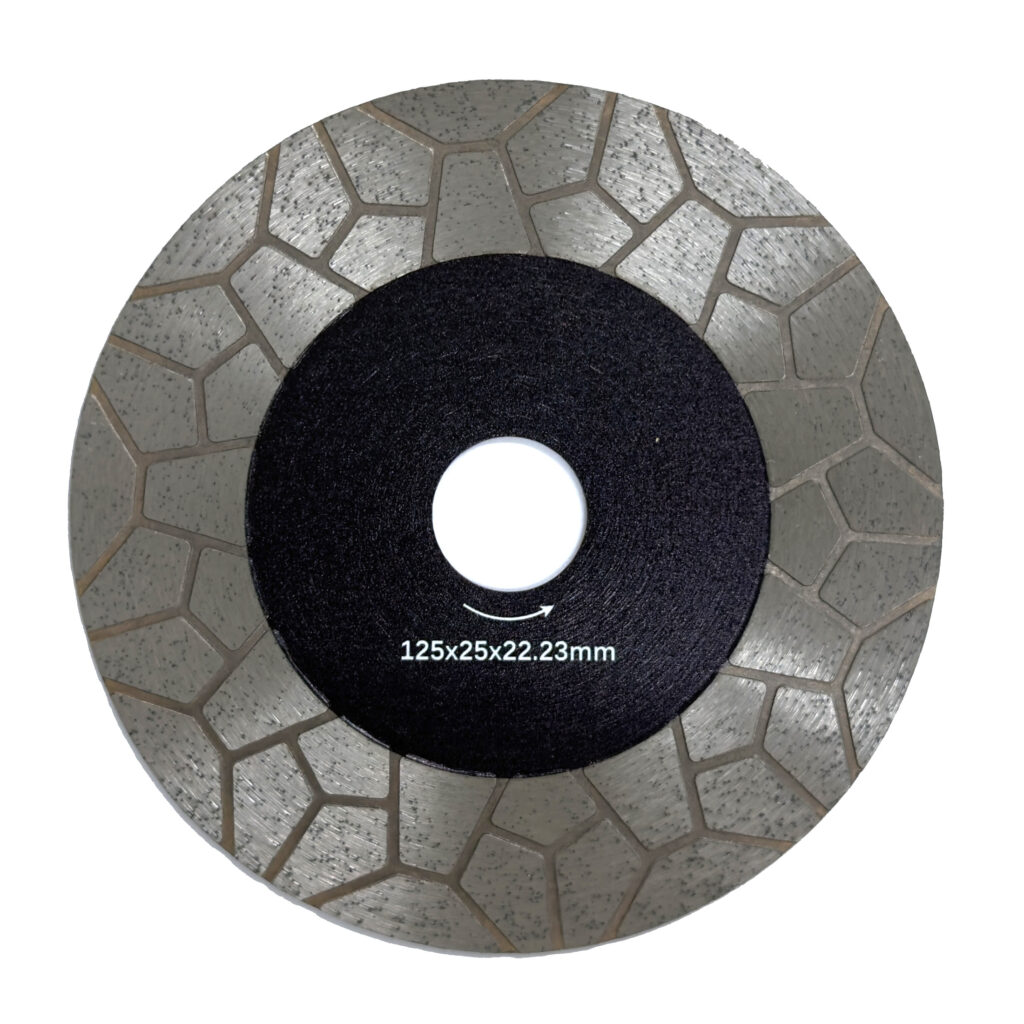
Squaring machines can be matched with dry or wet diamond squaring wheels, resin-bond finishing wheels and related machine accessories.
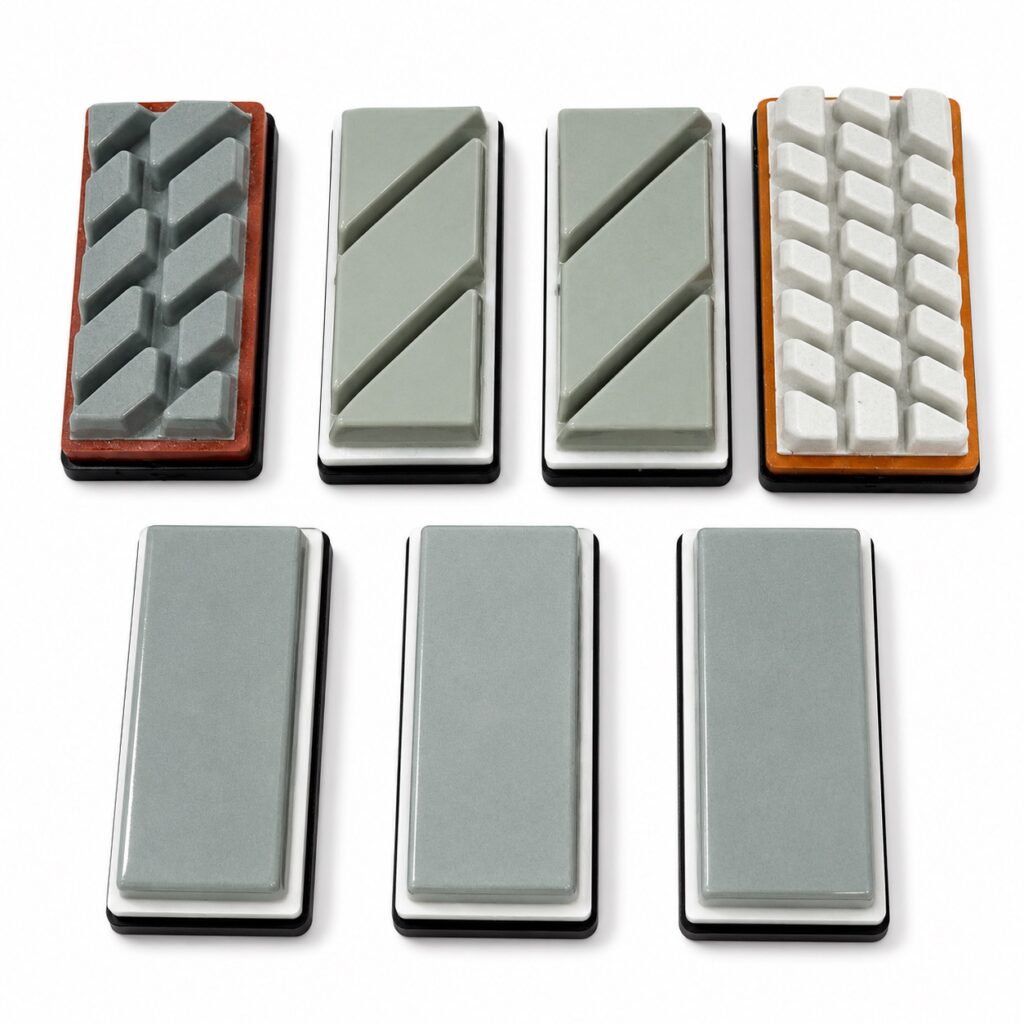
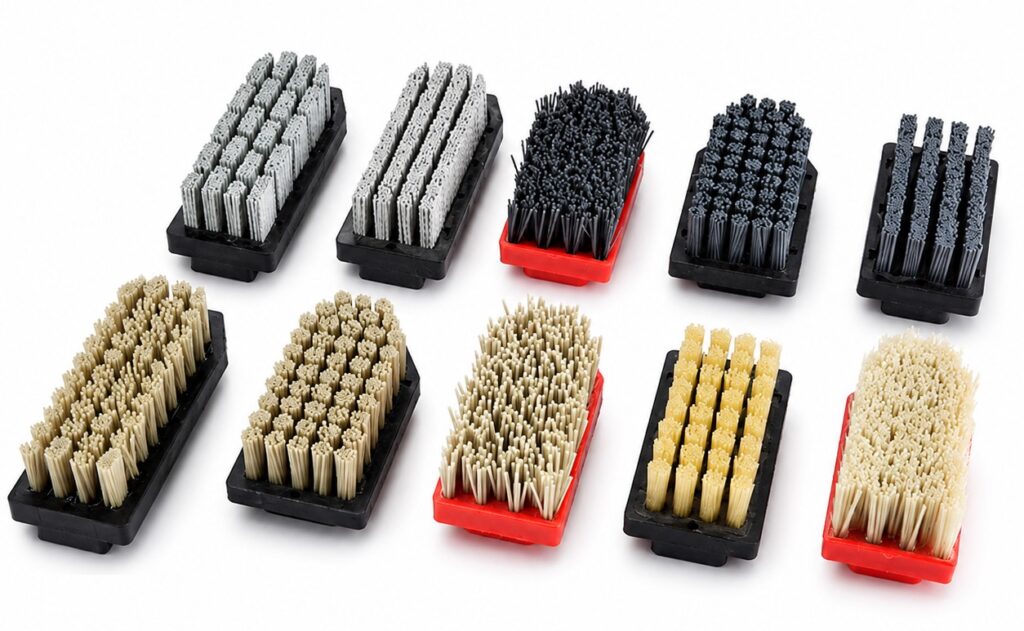
Automatic polishing lines can use coordinated sequences of elastic lappato abrasives, Fickert brushes and polishing pads to achieve matte, soft-gloss, semi-polished or high-gloss finishes.
Cutting equipment can be matched with suitable diamond saw blades according to tile material, thickness, cutting width, edge-quality requirement and production speed.
Waxing and surface treatment machines can be configured according to the required coating process, tile finish and downstream sorting or packaging arrangement.
BASAIR equipment and consumables support multiple stages of ceramic and porcelain tile production.
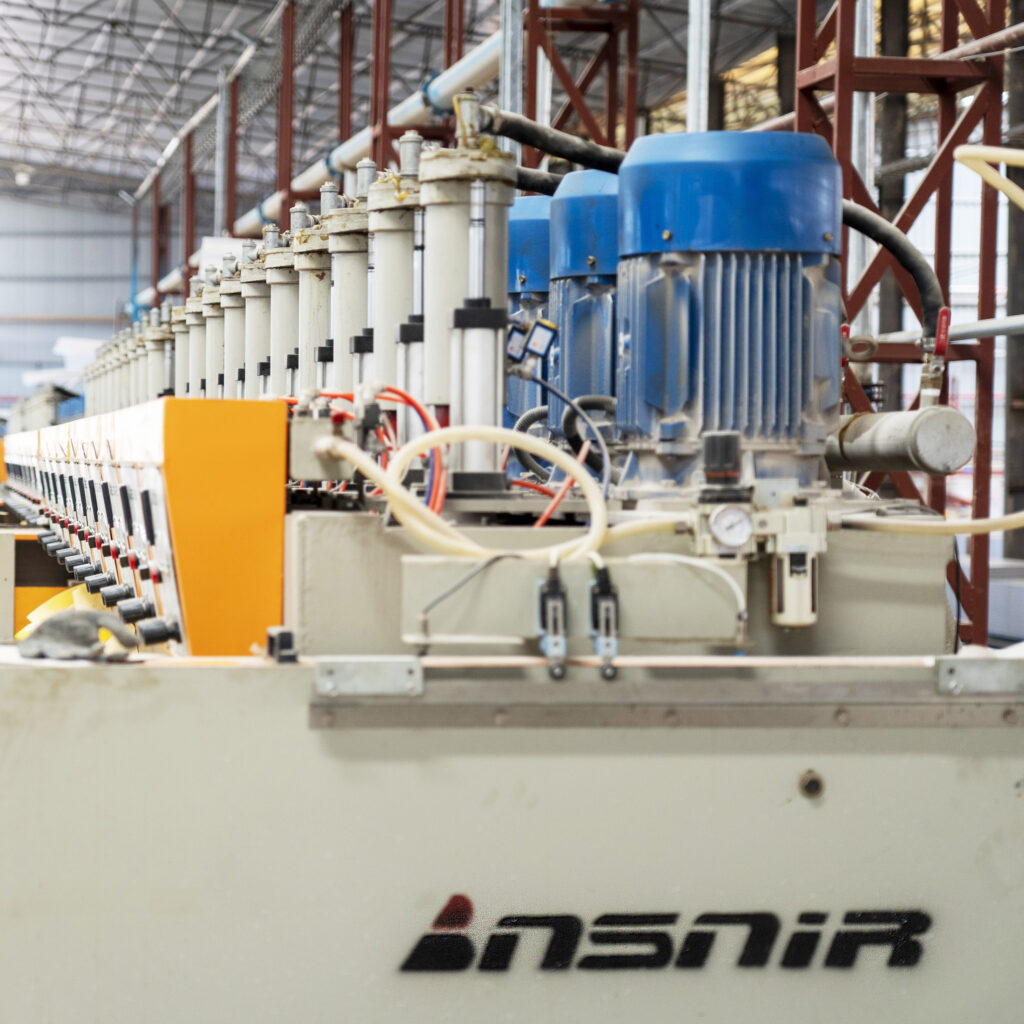
Dimensional Correction: Correct tile dimensions and improve edge straightness before sorting, packaging or further surface processing.
Edge Chamfering: Create consistent chamfered edges while reducing sharp corners and improving the finished appearance of the tile.
Surface Polishing: Remove processing marks, refine the tile surface and develop the required gloss level through a coordinated polishing sequence.
Textured Surface Finishing: Process uneven and decorative surfaces while preserving the intended texture of antique, matte and dry-granule tiles.
Production-Line Splitting: Split standard tiles into two equal finished pieces using dry scoring and controlled breaking on a continuous production line.
Strip and Mosaic Cutting: Cut standard large tiles into strips or small mosaic pieces using single-shaft or dual-shaft multi-blade cutting machines.
Waxing and Protective Treatment: Apply finishing or protective materials after polishing to improve surface consistency and prepare tiles for inspection and packaging.
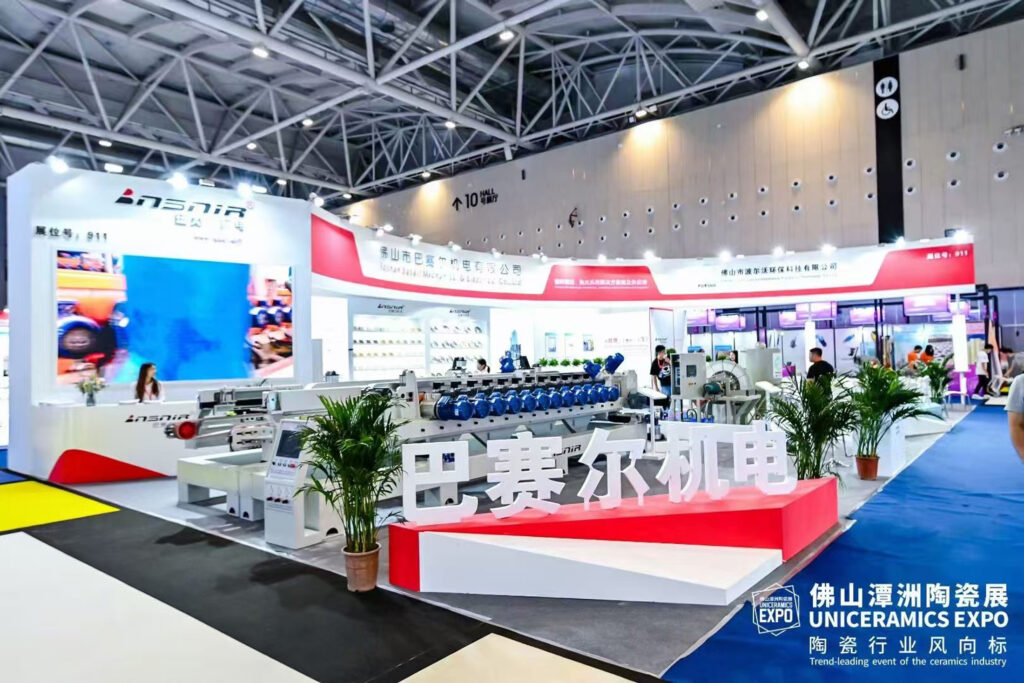
Industry-Focused Product Range: Our product range is centered on ceramic and porcelain tile processing, from machinery to the tools and consumables used during production.
Coordinated Equipment Selection: Machine configuration can be evaluated according to tile dimensions, thickness, material, surface finish, processing method and required output.
Matching Abrasives and Diamond Tools: Customers can source processing equipment together with compatible squaring wheels, abrasive blocks, brushes, polishing pads and saw blades.
Support for Different Production Requirements: Solutions are available for continuous tile production lines, specialized mosaic factories and smaller factories requiring flexible secondary processing.
Spare Parts and Consumable Supply: BASAIR can provide matching consumables and selected replacement parts for ongoing machine operation and maintenance.
Read uneven block wear as a diagnostic clue, then compare head position, holder contact and process conditions before assigning a root cause.
Trace scratch direction, repeating gloss bands and affected tile lots before blaming the blocks, so machine, water and incoming-surface causes stay visible.
Compare tooth layouts by contact coverage, water escape and debris clearance, then confirm the geometry against your holder, tile surface and trial evidence.
Prepare a squaring-line RFQ layout pack with a dimensioned base plan, process flow, access and risk-review zones, utility interfaces, and controlled revisions for supplier confirmation.
Separate verified factory constraints from supplier-proposed squaring-line architecture with a clear requirement register, response matrix, and decision checklist for comparable offers.
Learn how to review a squaring-line wheel map by position, assigned duty, dry or wet context, interfaces, and project-specific verification before accepting a proposal.
Your details are only used to respond to your enquiry.