When a tile factory specifies a chamfer, the finished feature is often described on its own — an angle, a depth, a visual expectation — while the edge it will be cut into is decided somewhere else in the project. That separation is where mismatches surface, because the chamfering stage works on whatever reference the squaring stage has left behind. The practical task is to convert a finished-edge expectation into a bounded brief that names the tile, the geometry, the line interfaces, and the trial evidence a supplier can actually respond to.
Clarify the Function of Squaring Before Chamfering
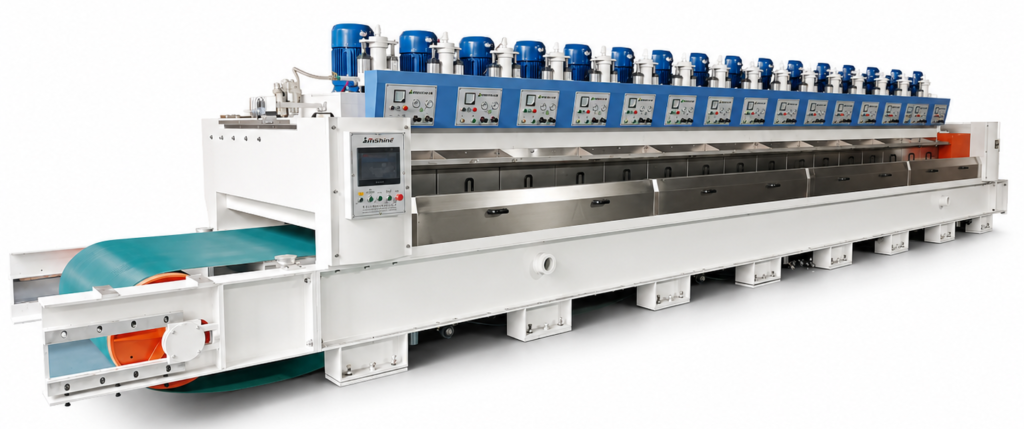
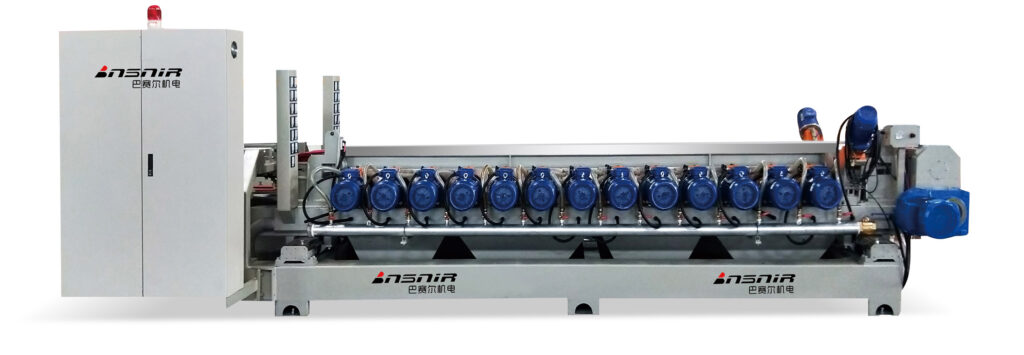
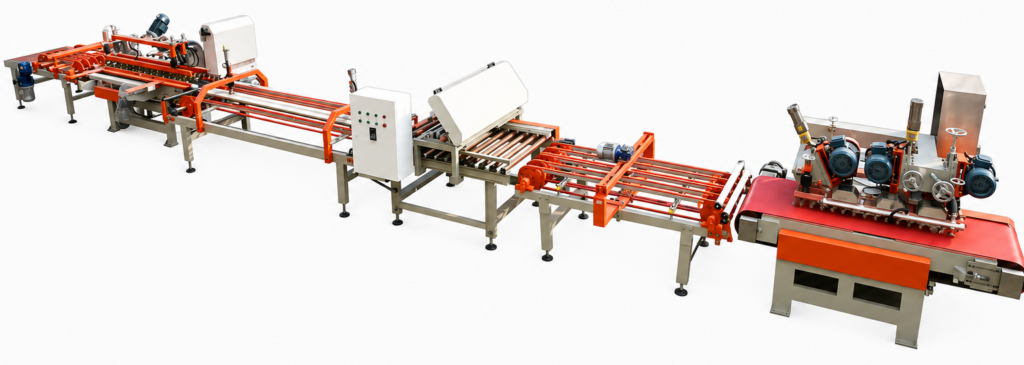
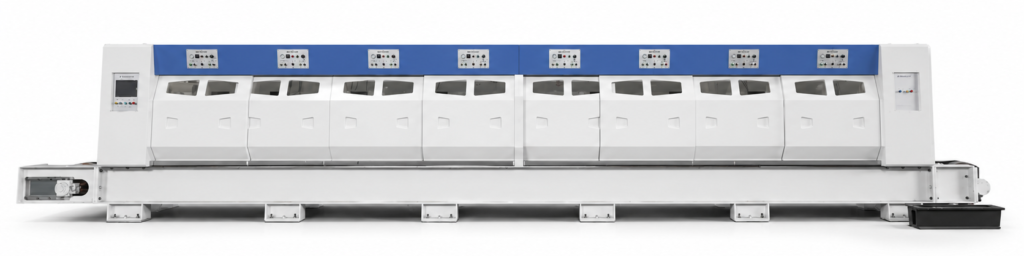
In one current ceramic-tile equipment architecture, squaring heads prepare the edge before chamfering heads form the bevel, and the squared edge is described as the reference for the following stage (YongTao YTMDP-1200/2+2+10). That is a useful way to read the sequence as a responsibility handoff rather than as a fixed template: squaring establishes the edge geometry the project relies on, and chamfering then creates the specified edge feature on that basis.
The boundary is as important as the precedent. This is one manufacturer’s model and architecture only, and it does not establish that every line uses the same head count, angle, or integrated arrangement. Its geometry, dimensions, utilities, speed, and performance cannot be attributed to BASAIR or generalized to another project.
For the buyer, the decision-relevant question is which incoming edge condition the chamfering stage depends on, and who is accountable for it in the specification. If that condition is left undefined, the chamfer requirement is effectively being written against an unknown reference, and the supplier has no supported basis for confirming the sequence. A project-specific squaring-to-chamfering sequence is best raised through the relevant equipment family enquiry point, such as the Squaring and Chamfering Machine Line, so that the handoff is confirmed against the actual tile and line rather than assumed.
Define the Chamfer the Finished Tile Needs
The same manufacturer page asks buyers to supply tile material, dimensions, thickness, incoming edge condition, required bevel depth, finished-edge requirement, production target, electrical specification, and available space. Its displayed model uses a fixed 45-degree architecture with depth adjustment. That fixed angle and those values should not be transferred to BASAIR or to another project — what geometry is achievable depends on the selected tile and configuration, and it requires supplier confirmation.
What the buyer can define independently is the requirement itself: how the processed edge will be used, which edges are actually processed, the target profile or angle, the bevel size or depth, the appearance or surface condition expected on the visible edge, and how the result will be inspected. Those are the inputs that let a supplier respond with a proposed architecture instead of a general statement.
| Buyer decision | Information to define | Supplier confirmation needed |
|---|---|---|
| Finished-edge use | How the processed edge will be used or assembled | Whether the proposed sequence addresses that use |
| Edge scope | Which tile edges require processing | Line arrangement and handling assumptions |
| Chamfer geometry | Target profile or angle and bevel size or depth | Achievable geometry for the selected tile and configuration |
| Appearance or surface requirement | Visible edge condition and inspection approach | Proposed wheel or abrasive duties and trial evidence |
| Tile input | Material, dimensions, thickness, and incoming edge condition | Represented range and conditions requiring separate confirmation |
| Production context | Required output basis and existing line handoffs | Proposed architecture, exclusions, and unresolved interfaces |
Connect Tile Inputs, Wheel Duties, and Line Interfaces
Tool and machine configuration in this application depends on tile material, dimensions, thickness, surface finish, process method, speed, output, and production stage. That list is a reminder that the brief should be written across the tile range the plant intends to run, not around a single reference format. If incoming edge variation across that range is not stated, neither the squaring stage nor the chamfering stage can be scoped honestly.
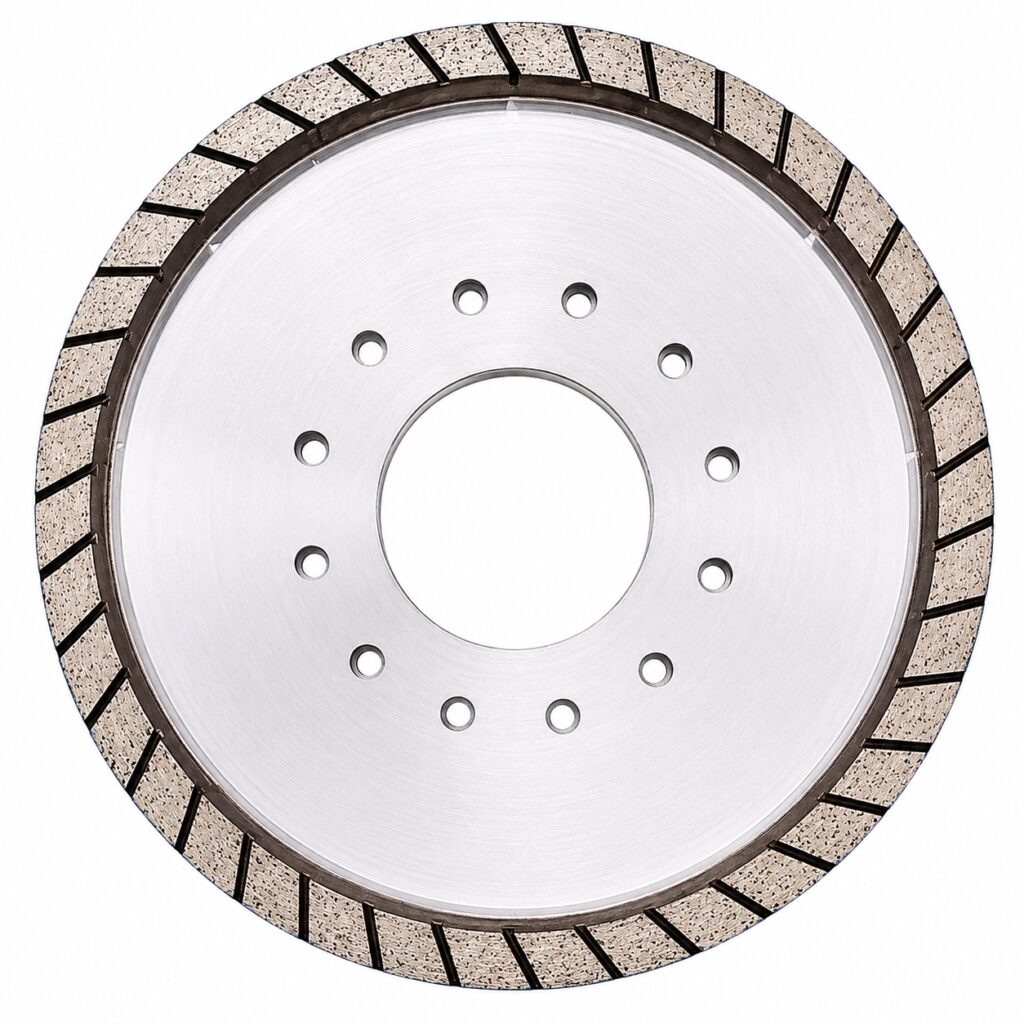
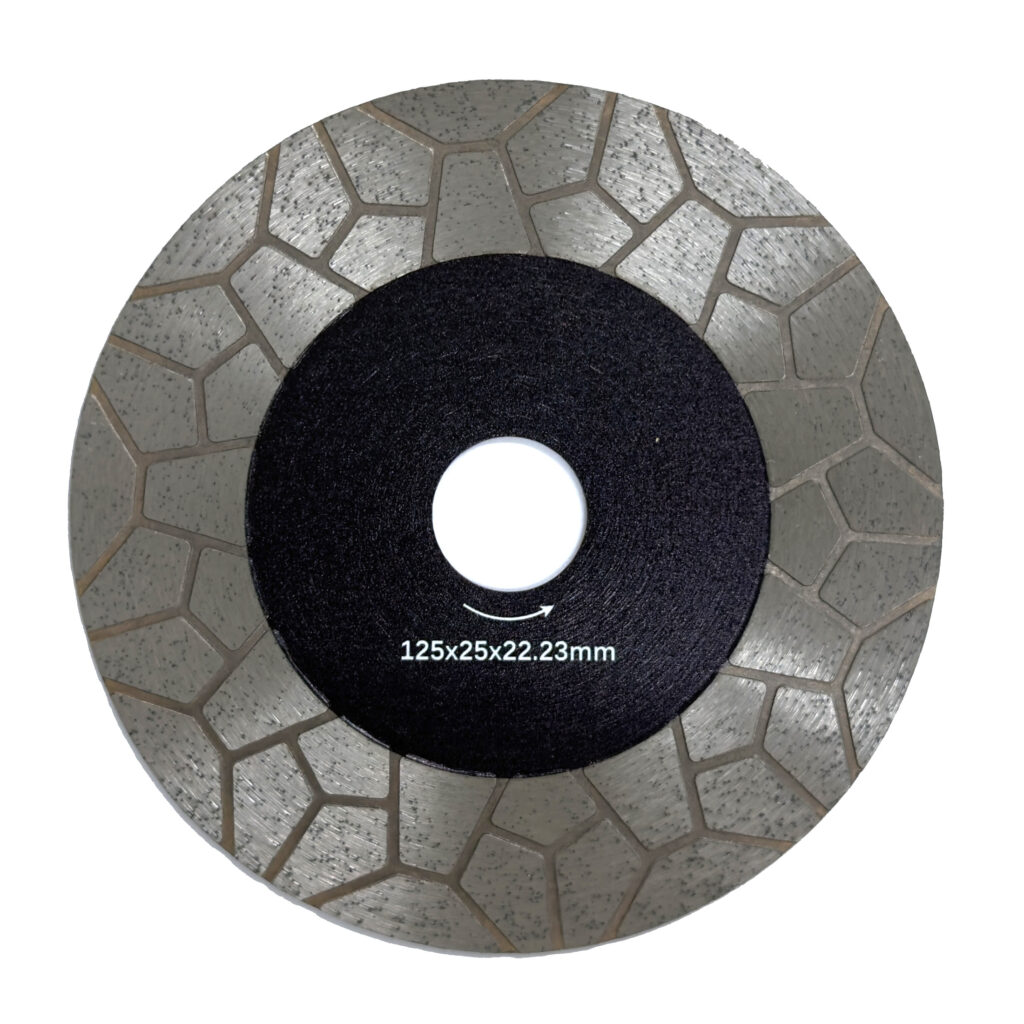
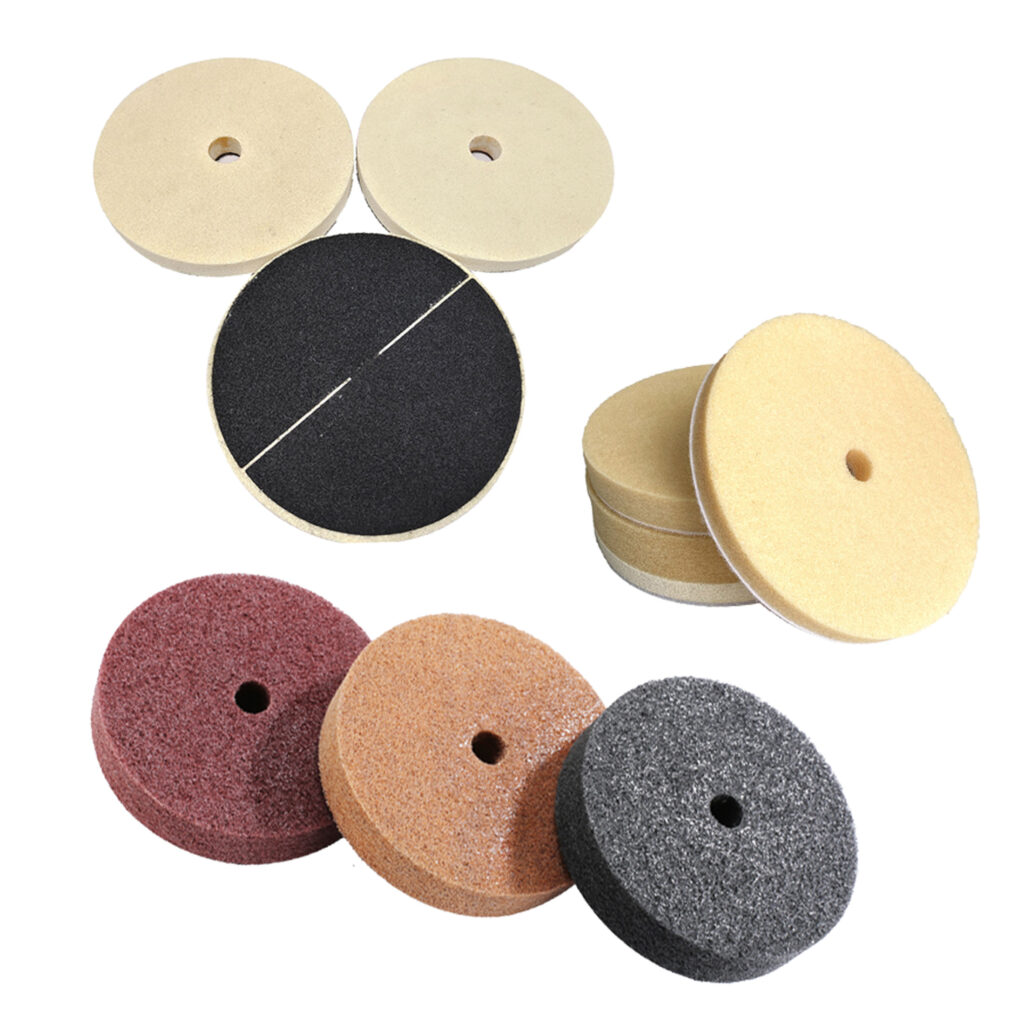
Wheel duties should be split rather than bundled. Squaring and chamfering wheels do different work on the edge, and BASAIR’s wheel information treats them as separate duties requiring separate confirmation — the Diamond Squaring Wheels page is the relevant starting point for that part of the conversation. Mapping the tile range and the incoming edge condition onto distinct squaring-wheel and chamfering-wheel responsibilities is more useful at brief stage than naming a preferred wheel before the duty is agreed.
The line interface side is often under-specified. Upstream positioning, downstream handling, whether the context is wet or dry, available factory space, and known utilities all shape what arrangement is feasible, and these conditions belong in the brief alongside the tile data. Exact wheel sequence, head count, settings, controls, and utility demand remain open until engineering review; a buyer should expect those to come back as project-specific confirmations or as unresolved items rather than as assumed defaults.
Set Trial Evidence and Supplier Confirmation Boundaries
Sample processing is recommended when the tile specification or surface conditions change, and clear edge drawings are requested to help confirm wheel and abrasive configuration. That gives the buyer a workable structure: representative tiles from the intended range, an approved edge drawing, and a record of the dimensional and visible finish observations both sides agree to look at. The drawing and the sample define what was tested — they are not, by themselves, a finished-edge acceptance threshold.
Two confirmations are worth asking for explicitly. First, which tile range the supplier considers represented by the trial, including thickness and incoming edge conditions. Second, which conditions remain unresolved and would require separate confirmation. Without those statements, a successful sample can be read as broader coverage than the evidence supports.
A representative sample and an approved edge drawing scope a trial; they do not create an acceptance threshold or promise a finished edge.
The article cannot substitute for project validation, and no finish should be assumed from a precedent model or from a general tool description. The buyer’s next step is to issue a bounded finished-edge brief covering the tile, geometry, edge scope, appearance requirement, production context, and line interfaces, and to treat the supplier’s response as confirmation to be reviewed — including its exclusions — rather than as a specification already settled.
Frequently Asked Questions
Q: Why discuss squaring when our main requirement is a chamfered tile edge?
A: The chamfer needs a defined edge reference. In the cited manufacturer arrangement, squaring prepares that reference before chamfering forms the bevel. Your enquiry should therefore describe both the incoming edge and finished feature so the supplier can confirm the appropriate stage handoff and arrangement.
Q: Does asking for chamfering imply a standard 45-degree edge?
A: No. Define the target profile or angle, bevel size or depth, processed edges, and intended edge use in your own finished-edge brief. A fixed angle shown on one market model does not establish the geometry available from the proposed BASAIR configuration.
Q: What should we include if the chamfer’s appearance matters as much as its size?
A: Include the visible surface requirement and inspection approach alongside an edge drawing, tile material, dimensions, thickness, and incoming edge condition. This lets the supplier consider squaring and chamfering wheel duties together and propose sample evidence for both geometry and visible finish.
Q: Can one approved sample establish the chamfer result for every tile we make?
A: It establishes evidence only for the conditions represented. Ask the supplier to identify the tile range covered by the representative samples and approved edge drawing, the dimensional and finish observations agreed, and any material or surface changes requiring separate confirmation.