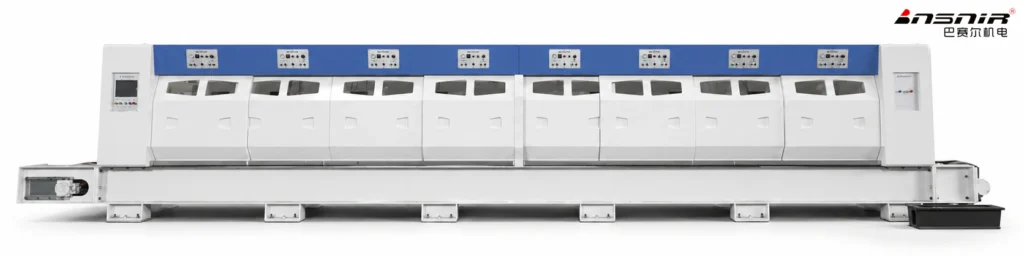
The weak link in many ceramic tile squaring-line enquiries is not the machine description but the boundary between factory-known production facts and supplier-engineered assumptions. A tile factory may send a nominal size and output target while leaving incoming edge condition, wet/dry interface, or trial evidence undefined, which can produce non-comparable proposals. The more useful request specifies the finished-tile result, the tile range, the line interfaces, and the evidence boundary before asking BASAIR to confirm configuration assumptions.
Start with the Production Result the Proposal Must Address
Before machine type or wheel specification is discussed, the enquiry should state the line’s intended job and finished-tile result in buyer language. The UK Cabinet Office technical specifications guidance supports structuring purchased requirements around functional or performance needs, dimensions, production-process context, and evidence so buyers and suppliers answer a shared brief. For a ceramic tile squaring line, that means defining the production result the proposal must address—such as the edge condition, squareness objective, and production stage—before starting from a preferred machine architecture.
Because BASAIR selection depends on tile material, dimensions, thickness, surface finish, process method, speed, required output, and production stage, a result-first brief helps separate the buyer’s production requirement from supplier-proposed machine configuration. Any target that still lacks an agreed measurement method should be recorded as an open item; it is not a supplier acceptance guarantee.
Describe the Tile Range and Incoming Conditions
A nominal tile cannot represent the full production envelope. For a squaring-line proposal, send minimum and maximum dimensions, thickness, material, surface geometry, incoming edge condition, and any variants that may require separate treatment. The squaring and chamfering machine line should be configured from that range, not from one representative value that hides an important small-size, large-size, or special-thickness product.
Buyers should flag variants that may require separate trials or settings, and the supplier should return confirmation of which tile conditions can share one configuration and which need separate equipment or processing routes. This matters because a line proposal optimized for one product may not reflect how the factory’s real mix shifts edge loading, chamfering behavior, or downstream handling.
Map the Existing Line and Factory Interfaces
After the product range, the buyer should supply the available installation area, incoming and outgoing tile handoff, preferred wet or dry context, and known utility or dust/water-handling constraints. The UK Health and Safety Executive buying-new-machinery guidance supports defining where and how machinery will be used and discussing complex or custom requirements with suppliers before purchase. This is used here as a requirements-structuring precedent, not as a ceramic-line design standard.
For a ceramic tile squaring line, this is a project interface question rather than a supplier acceptance item. Exact layout, utility demand, controls, and interface logic remain supplier-engineering items. BASAIR’s configuration depends on wet/dry and upstream/downstream interfaces being confirmed, so the data pack should distinguish what the factory currently knows from what the supplier must calculate or verify.
Define Output, Trial, and Evidence Expectations
Output and trial language is where enquiry data often becomes vague. State the desired output basis, the representative sample range, what will be observed or measured, and who supplies wheels, consumables, and trial support. The buyer should also provide draft acceptance language, but the current inputs do not establish any throughput, tolerance, wheel-life, reject-rate, or acceptance value; those values need project-specific confirmation.
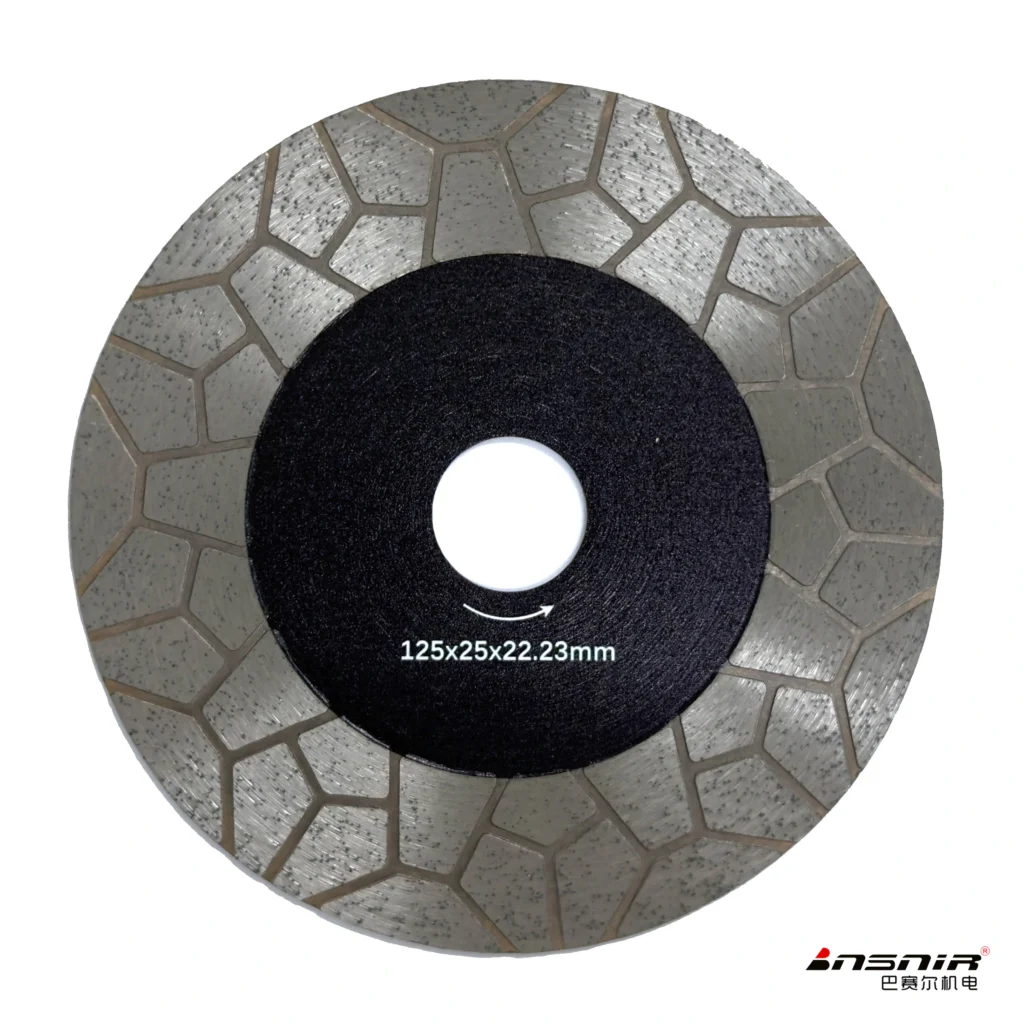
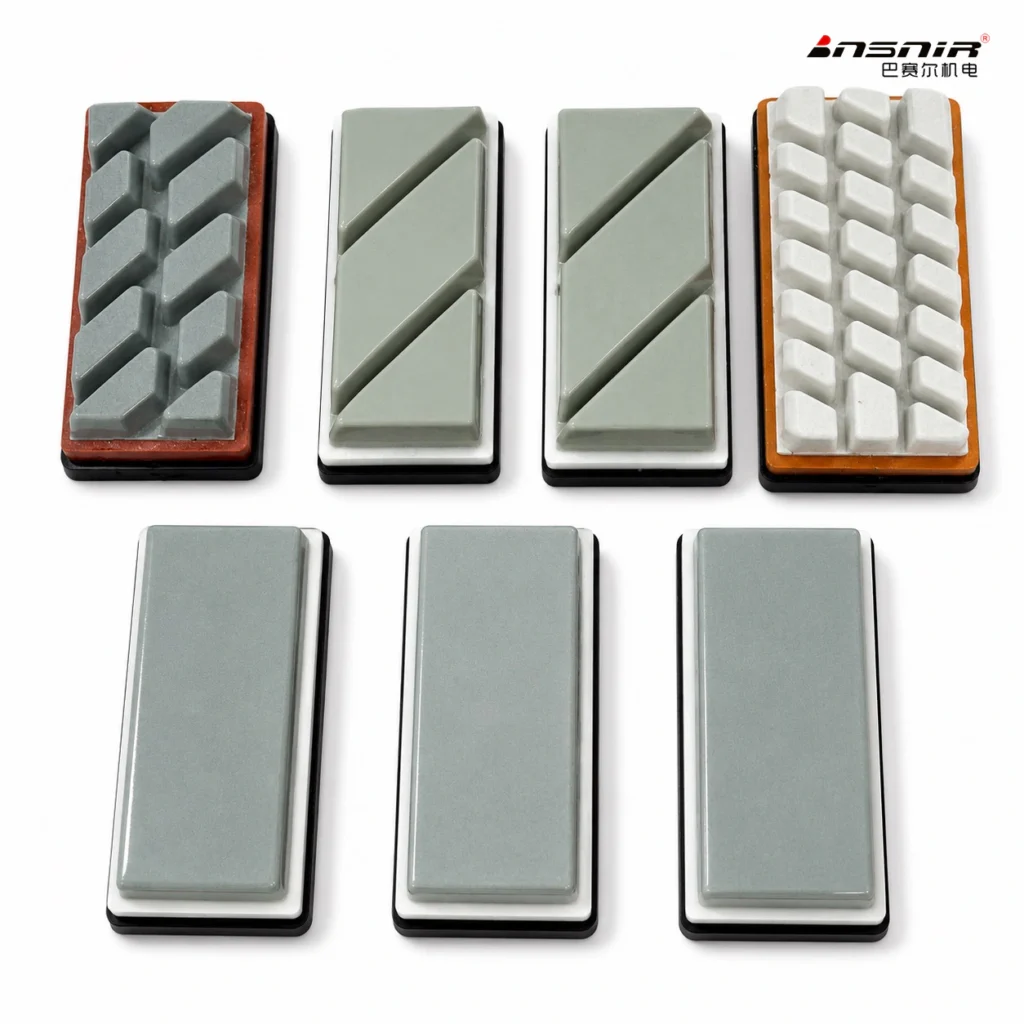
When wheels are part of the proposal scope, the wet/dry duty must be coordinated with the line. The relevant wheel family is the Diamond Squaring Wheels range, but the wheel specification should follow the confirmed tile material, processing route, and machine interface rather than be treated as a generic item.
Separate the result you need from the evidence that will show it; do not fold them into one unspecified acceptance promise.
Package the Data for Supplier Confirmation
The enquiry is easier to compare when it arrives as one version-controlled pack that separates buyer facts, target results, unknowns, and supplier-proposed assumptions. Ask BASAIR to return a marked-up data sheet showing the proposed configuration, exclusions, required follow-up samples, and unresolved project questions before quotations are compared.
| Data group | Buyer should provide | Supplier should confirm |
|---|---|---|
| Production task | Intended squaring stage, required finished-tile result, and required output basis | Proposed process scope and any excluded duties |
| Tile range | Material, dimensions, thickness, surface geometry, incoming edge condition, and variants | Which conditions share one configuration and which require separate treatment or trials |
| Process context | Existing upstream and downstream handoffs and preferred wet or dry context | Proposed line interfaces and dependencies |
| Factory constraints | Available installation area and known utility or dust/water-handling constraints | Final layout, utility demand, controls, and connection requirements |
| Trial and evidence | Representative samples, observations or measurements sought, and draft acceptance language | Trial plan, evidence deliverables, assumptions, and unresolved items |
| Consumables and support | Buyer expectations for wheels, consumables, spares, and responsibility split | Proposed wheel duties, supply scope, and items requiring later project confirmation |
Frequently Asked Questions
Q: Can we request a proposal before deciding on the exact squaring machine configuration?
A: Yes. Start with the production stage, finished-tile result, and required output basis you want the proposal to address. Give the supplier the tile and factory conditions needed to propose a configuration, and ask it to identify any duties excluded from that proposal.
Q: Is one representative tile enough if our factory makes several formats?
A: One tile may not represent the whole production range. Provide the minimum and maximum material, size, thickness, surface geometry, and incoming edge conditions, and flag unusual variants. Ask which conditions can share a configuration and which need separate settings, equipment, or trial evidence.
Q: What should we provide if we have a wet or dry process preference but no final layout?
A: Send the preferred process context, available installation area, upstream and downstream handoffs, and known utility or dust- and water-handling constraints. These are useful proposal inputs even before the layout is final; the supplier should confirm the proposed interfaces, utility demand, controls, and connection requirements.
Q: How can we include output or quality targets without treating them as agreed guarantees?
A: Label them as desired results and state the basis on which you want them assessed. Include representative samples, the observations or measurements sought, and draft acceptance language. Ask the supplier to confirm the trial evidence and any unresolved measurement method before treating a target as an acceptance commitment.
Q: How do we make proposals from different suppliers easier to compare?
A: Give each supplier the same version of the enquiry pack, separating known production facts, targets, unknowns, and proposed assumptions. Request a marked-up return showing configuration, exclusions, follow-up samples, wheel and consumable scope, and unresolved questions so quotation differences can be traced to their underlying assumptions.