Two tile factories can run comparable squaring lines and still need entirely different utility scopes: one connects the edge-processing station to dust extraction, the other to a water supply and a process-water route out. That difference comes from the squaring task, tile body, removal duty, factory constraints, and worker-protection design on a specific site, not from a general preference for “dry” or “wet.” When the utility boundary is vague, the machine can arrive with a connection point that nobody on site owns, so scoping the decision first is what keeps the route comparison meaningful.
Define the Utility Decision Before Comparing Routes
The question that usually reaches a supplier is “dry extraction or water handling?” — followed quickly by “which one is better?” That framing skips the decision that actually governs the project: which utility interfaces the squaring envelope will require, who provides each one, and what happens to collected dust or used process water afterward.
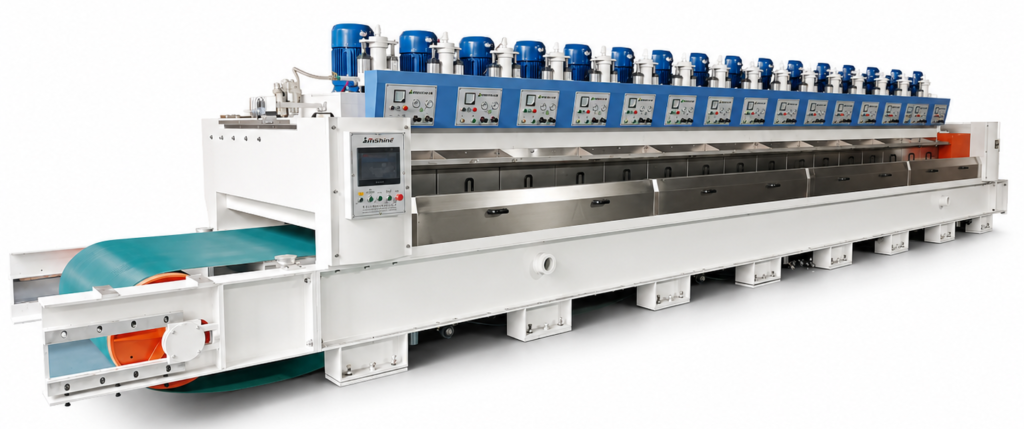
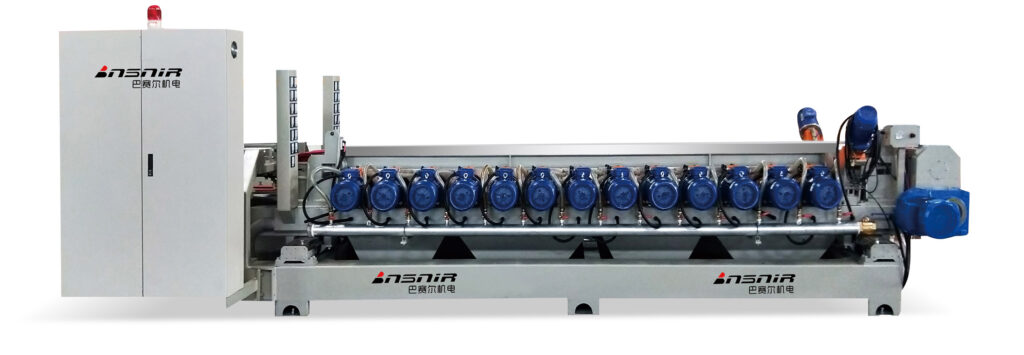
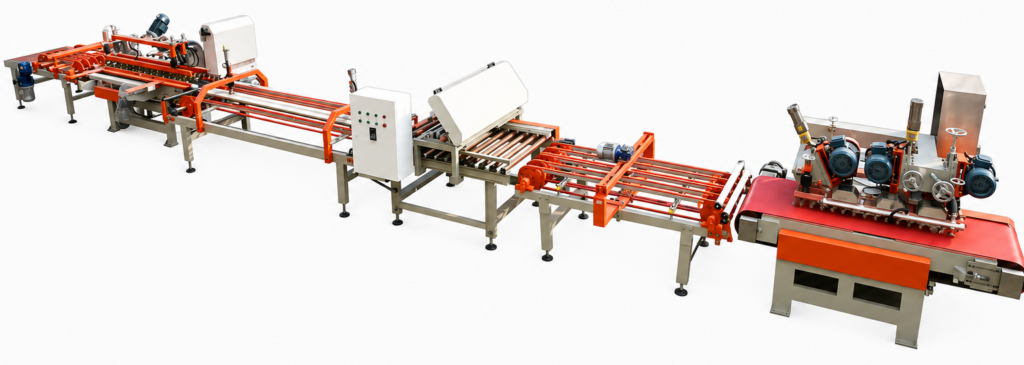
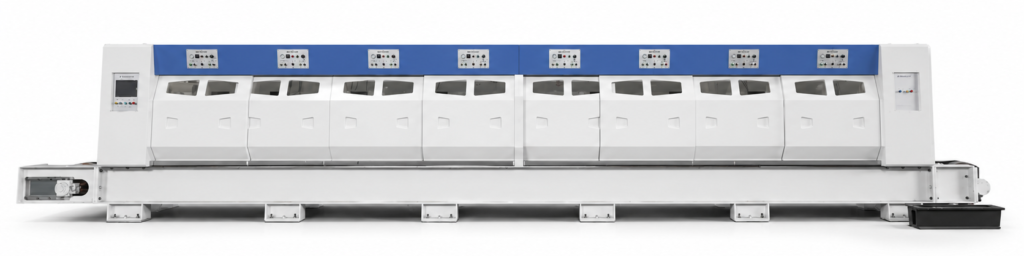
The route depends on the process, tile, and factory conditions, plus the responsible control design — not on a generic utility preference. A dry route and a wet route present different interface packages around the same edge-processing task, which is why the utility scope has to be settled alongside the squaring equipment selection rather than after it. Buyers comparing routes can start from the relevant equipment family, such as the squaring and chamfering machine line, and then separate the machine-side scope from the site-side services.
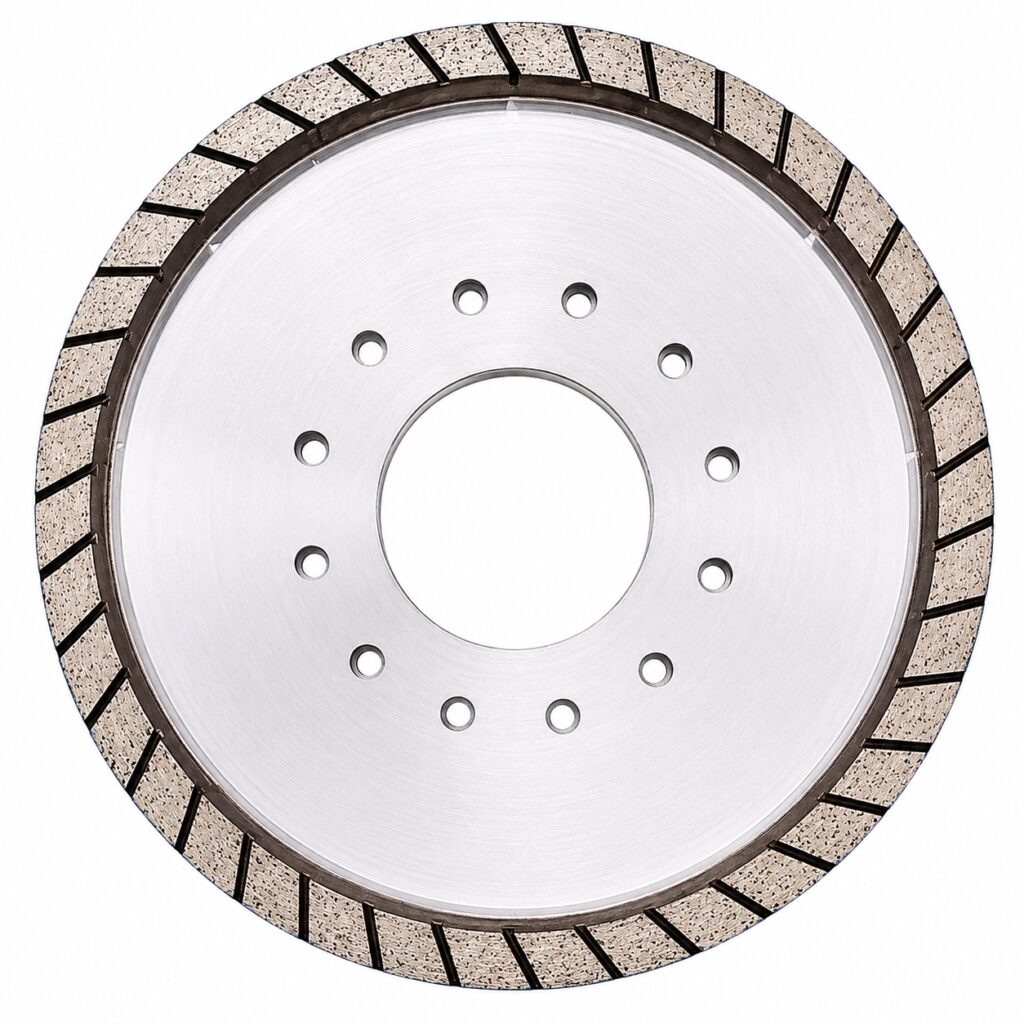
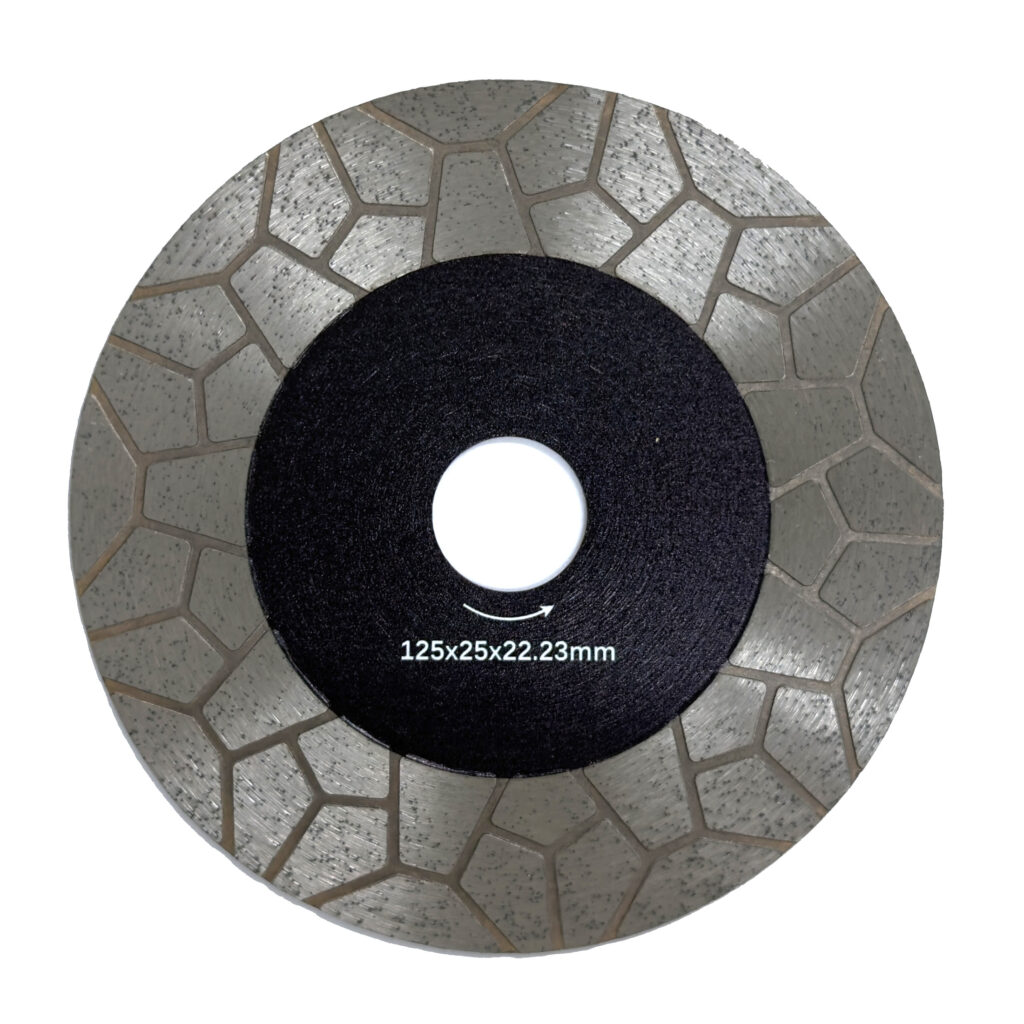
Tooling is part of the same decision. The diamond squaring wheels matched to the process must be coordinated with whichever route is chosen, because the dry and wet contexts place the wheel in different operating surroundings. Final tool matching still depends on the customer’s material, machine, and project confirmation.
The applicable exposure assessment, control design, and legal requirements belong to the buyer’s responsible specialists and the supplier — not to a generic comparison. This section and the ones that follow set out scope questions, not a control design.
Compare Dry Extraction and Wet Suppression Interfaces
NIOSH’s silica work-practices guidance distinguishes wet methods that use water sprays to suppress dust at the point of generation from dry methods that use ventilation with vacuums and high-efficiency particulate air filters, recommends local exhaust where work is dusty, and notes that water and ventilation controls may be combined when possible (NIOSH Safe Work Practices for Silica). For a squaring project, the useful reading of that guidance is that the alternatives are different interface packages to be scoped, not a universal better-or-worse ranking.
A dry route asks the supplier to define capture points, air-moving and filtration interfaces, and filter service boundaries. A wet route asks the supplier to define water delivery at the generation point and the water-side handling boundary. No airflow, water flow, pressure, filter class for a specific line, or control effectiveness is established for BASAIR equipment on this basis; those values, where they exist, come from project confirmation.
| Route to evaluate | Source-supported control concept | Interface questions for the project | Evidence boundary |
|---|---|---|---|
| Dry extraction | Local exhaust or other ventilation using vacuums and high-efficiency particulate air filters | Where is capture intended, what equipment moves and filters the air, and who services collection and filters? | NIOSH does not provide BASAIR airflow, filter, or capture-performance values |
| Wet handling | Water spray applied where dust is generated to suppress emissions | Where is water delivered, what factory-side water connection is available, and where does used process water leave the equipment scope? | NIOSH does not provide BASAIR flow, pressure, treatment, or discharge values |
| Combined controls | NIOSH notes that water and ventilation controls may be used together when possible | Which interfaces are genuinely required together and which party supplies and maintains each one? | Feasibility and effectiveness require project-specific assessment and supplier confirmation |
Map Downstream Handling and Factory Connections
The interface does not stop at the machine boundary. For a dry route, map where collected material leaves the squaring envelope, which existing factory system receives it, and who maintains the filters and collection components. For a wet route, map where process water leaves the equipment scope, which factory-side connection serves it, and what happens to it after that point. These are scope questions, not prescribed designs.
Guidance covering silica-exposure controls also tells users to keep controls working and to replace water and air filters as needed or under manufacturer instructions (NIOSH Safe Work Practices for Silica). Applied to a squaring project, that maintenance expectation has to land on a named party and an accessible location; if neither is defined, the downstream connection is not yet scoped.
Some connections cannot be made from the squaring station alone and may require further engineering before they can be accepted. Identifying those early is what prevents an equipment delivery from stalling on an unresolved factory-side service.
Close the Supplier Responsibility Boundary
Ask the supplier to return a utility-interface drawing or schedule that labels the included equipment, the buyer-provided services, the connection points, any control interlocks or signals requiring coordination, maintenance access, exclusions, and validation responsibilities. A schedule of this kind turns the route comparison into something both sides can check line by line, rather than a verbal understanding that survives only until installation.
A route is not scoped until both the factory-side connection and the party responsible for it are named.
Hold the route decision when either the factory-side connection or the responsible party remains undefined. Until both are settled, the dry-versus-wet comparison is still an interface discussion rather than a project scope, and any equipment or tool commitment made on top of it rests on an assumption that has not been confirmed.
Frequently Asked Questions
Q: Is dry extraction always a better choice than water handling for tile squaring?
A: No universal ranking fits every squaring project. Compare the tile and removal duty, process route, available factory services, worker-protection design, and downstream handling together. The useful choice is the interface package that can be defined and confirmed for your site.
Q: What changes in the factory connection scope when we compare dry and wet routes?
A: A dry route raises questions about dust capture, air movement, filtration, and collected-material handling; a wet route raises questions about water delivery and where used process water leaves the equipment. Identify the receiving factory systems and service boundaries for each route before comparing quotations.
Q: Can a wet squaring proposal also include ventilation interfaces?
A: Combined water and ventilation controls can be considered, but their need and feasibility must be assessed for the project. Ask which interfaces are required together, who supplies and maintains each component, and what validation is proposed rather than assuming that selecting water handling settles the whole control scope.
Q: What should be settled before we approve the utility route?
A: Settle the factory-side connections and the parties responsible for them. Request a drawing or schedule marking included equipment, buyer-provided services, connection points, signals or interlocks needing coordination, maintenance access, exclusions, and validation responsibilities. Keep the route decision open if a connection or responsible party remains undefined.