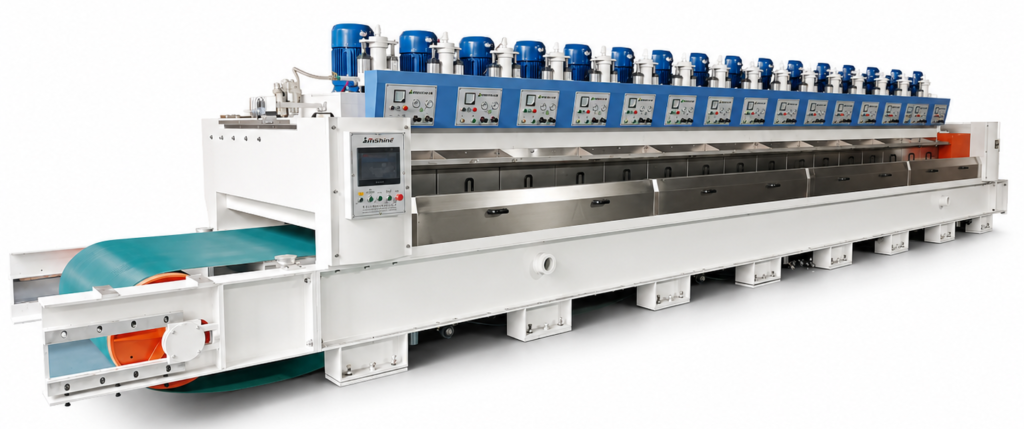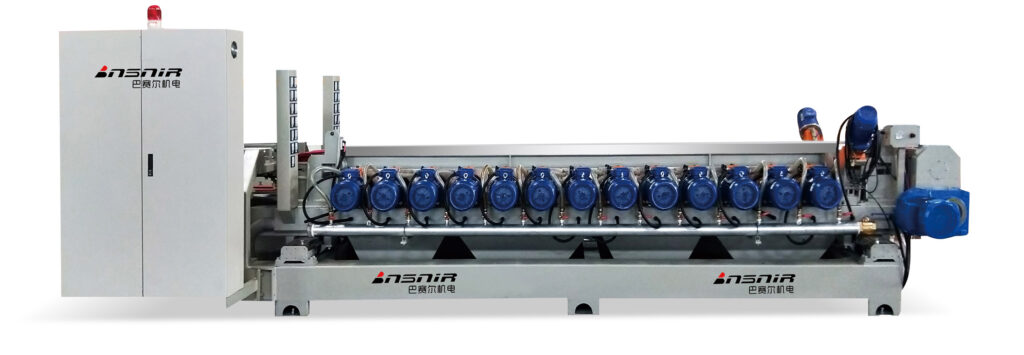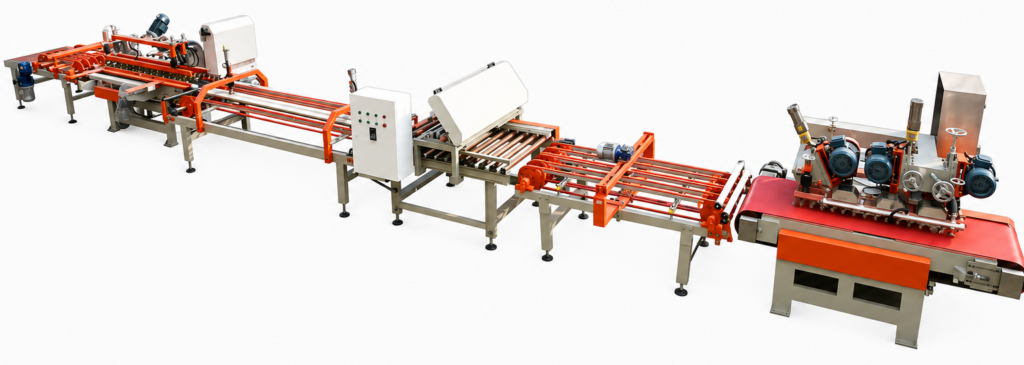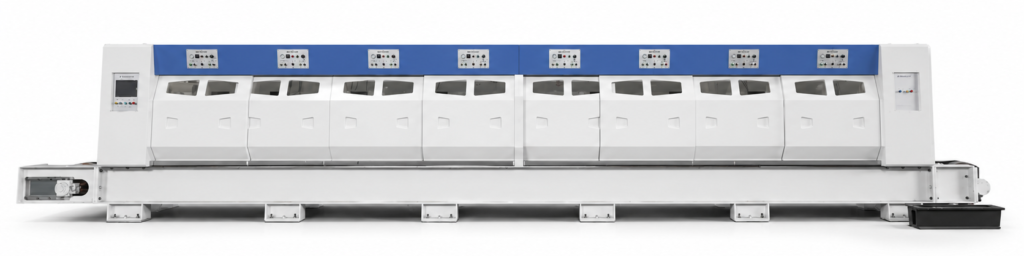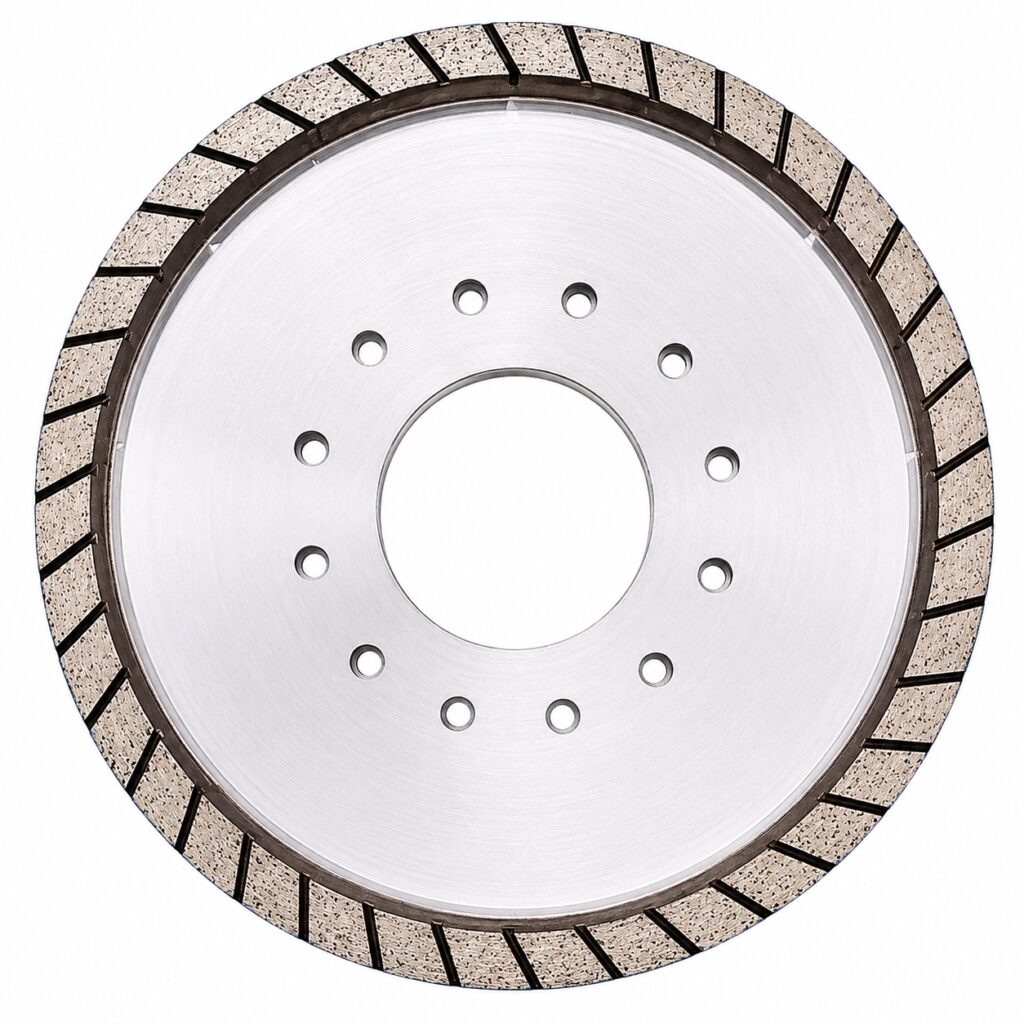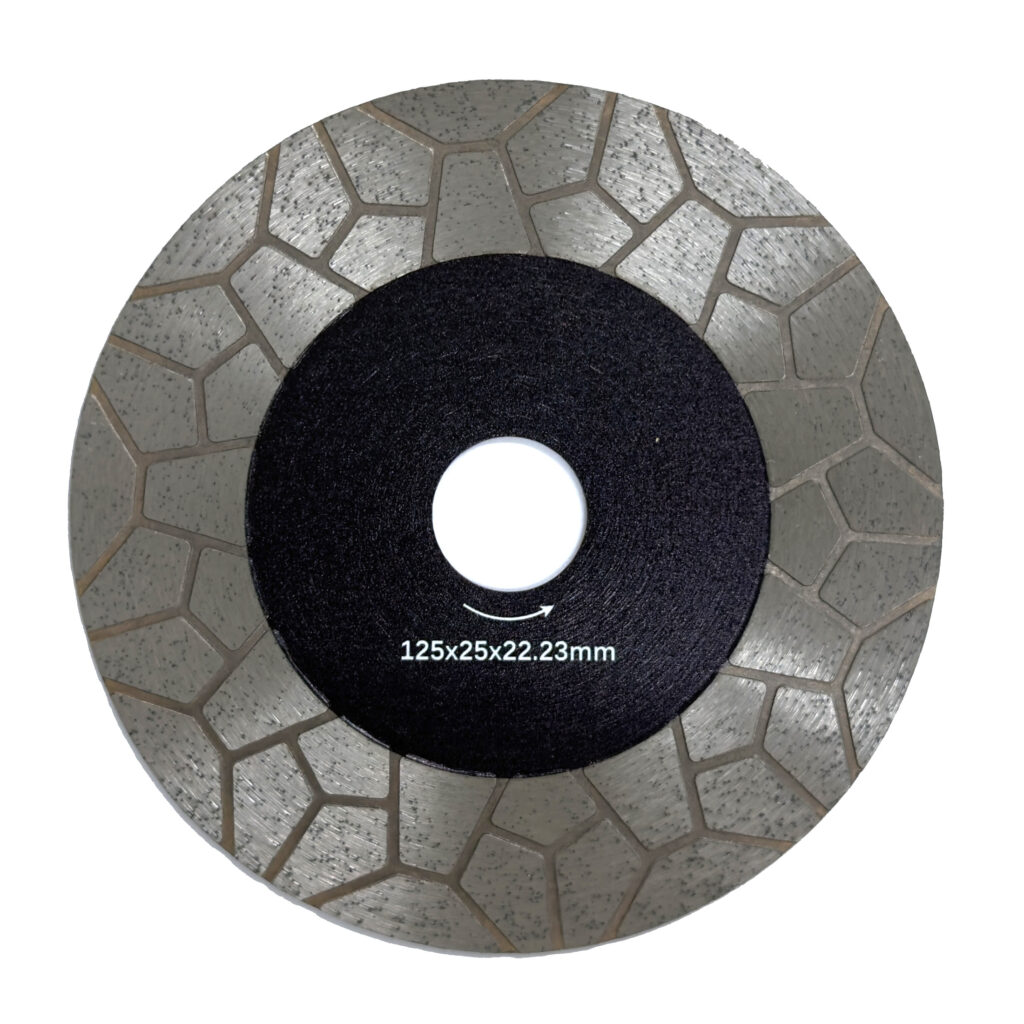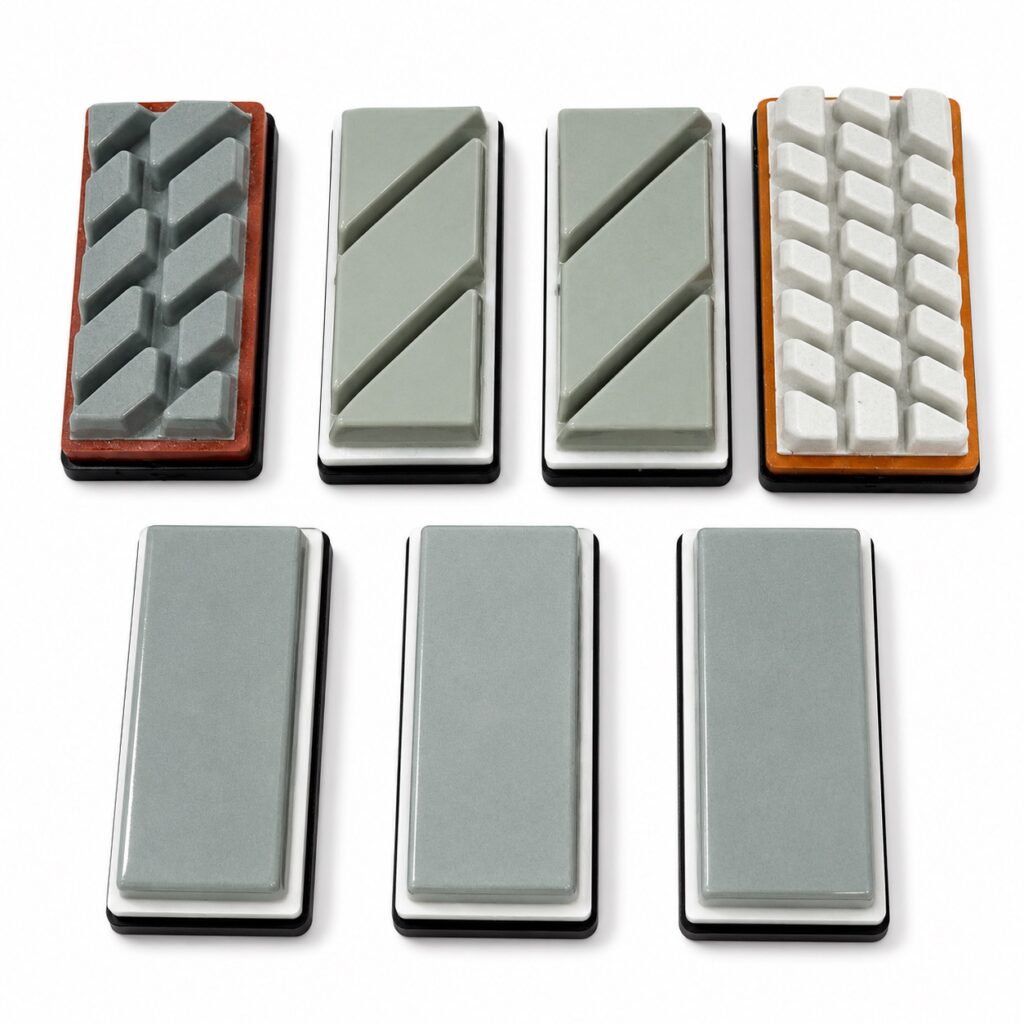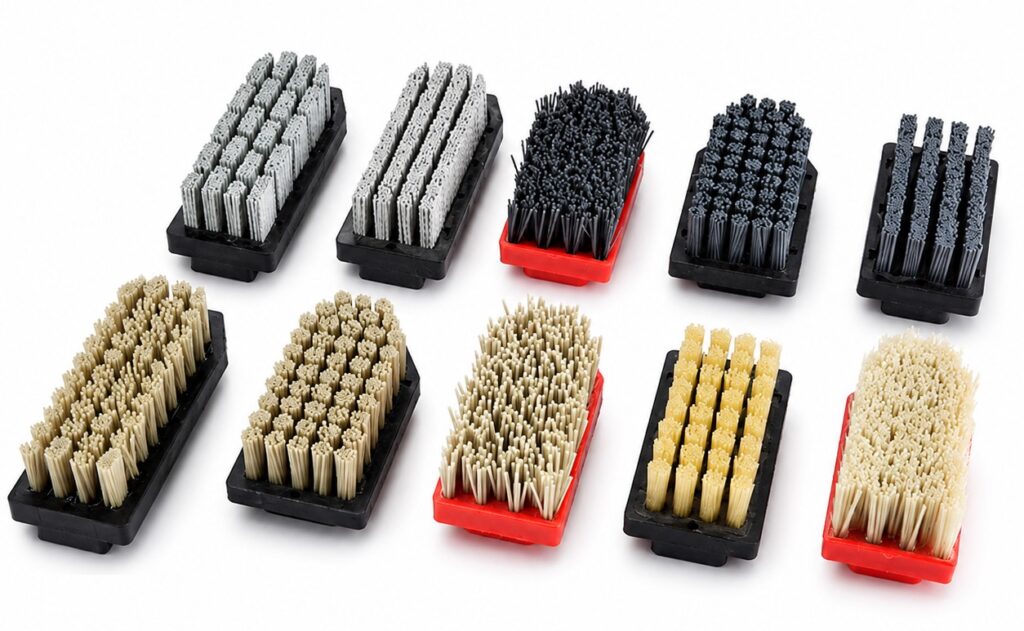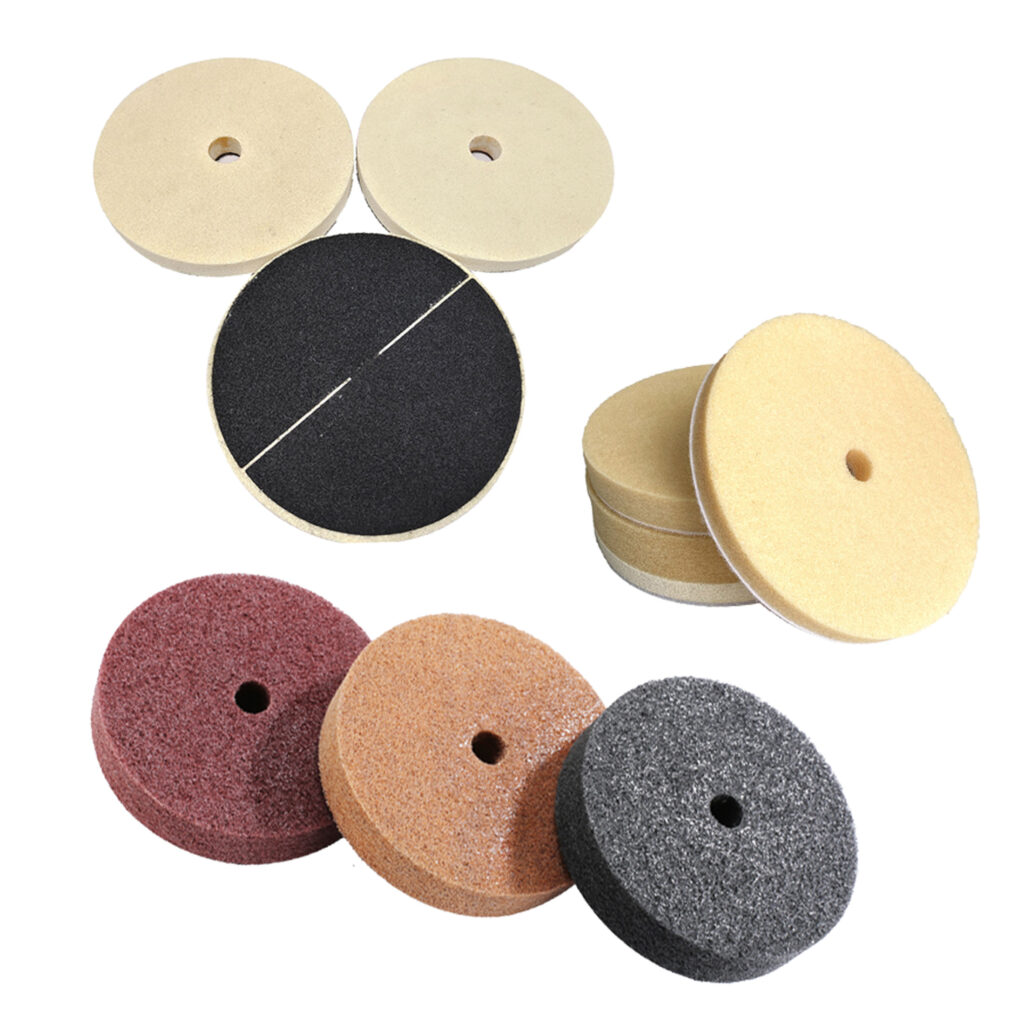
Choosing a diamond squaring wheel is rarely a standalone decision. It is a choice made against a specific tile body, a specific removal target, and a machine that already has its own interface constraints. A buyer who compares wheels only on bond name or price risks selecting a component that performs well in isolation but fails to deliver an acceptable edge once it is running in the actual line.
What a factory must define before comparing squaring wheels
| Factory input | What to define before comparison | How it bounds the decision |
|---|---|---|
| Tile body | Identify the tile body the wheel will process. | Compare wheel and bond options for that identified body. |
| Stock-removal duty | State the removal duty assigned to the wheel position. | Keeps the wheel-position and bond comparison tied to the intended duty. |
| Edge target | State the required edge outcome. | Provides the project-specific basis for judging whether a proposed plan is suitable. |
| Existing machine interface | Identify the interface the wheel must match. | A wheel remains unsuitable if it does not match the existing machine interface. |
A meaningful wheel comparison depends on the factory first fixing the variables that the comparison is supposed to hold constant. If the tile body is not identified, two wheels that look similar on a data sheet may behave differently once they meet the actual material, because hardness, density, and abrasiveness of the body all change how a diamond wheel wears and how it removes stock. The comparison only becomes meaningful once it is anchored to that identified body.
The same logic applies to the removal duty assigned to a given wheel position. A wheel operating at an early roughing position is being asked to do different work than a wheel operating near the final position in the sequence, and a bond or grit combination suited to one duty will not necessarily suit the other. Where the factory does not separate these duties before comparing wheels, it risks judging a wheel against a task it was never intended to perform.
Edge target works the same way. “Acceptable edge” is not a fixed standard across all lines or all tile types; it is whatever result the project has defined as the accepted outcome. Without that definition stated in advance, there is no basis for judging whether a supplier’s proposed wheel and bond combination is suitable, because suitability can only be judged against a stated target, not against a generic claim of quality.
Finally, the existing machine interface bounds every other input. A wheel might be well matched to the tile body and the removal duty and still be unusable if it does not fit the machine that will run it. This is why interface identification belongs at the start of the comparison rather than as a late-stage check: it removes options before the buyer spends time evaluating them on other grounds.
Where these four inputs are defined together, tile body, removal duty, edge target, and machine interface, the buyer has a bounded set of wheel and bond options that can be reviewed against the same standard on every quote received.
Match the wheel interface to the existing squaring machine
Interface matching is a narrower and more mechanical question than the broader definition step, but it deserves separate attention because it is the point at which an otherwise well-chosen wheel becomes physically incompatible with the equipment it must run on. A squaring wheel is not a generic disk; it is built to mount, locate, and run within a specific machine configuration, and a wheel selected purely on bond and grit performance can still be the wrong wheel if it does not correspond to that configuration.
This is why interface confirmation should happen before, not after, a wheel is evaluated on cutting performance. If a supplier proposes a wheel that suits the tile body and removal duty well but does not match the mounting or running configuration of the existing squaring machine, the wheel remains unsuitable regardless of how favorably it performs in general terms. The interface constraint does not soften with a good performance story elsewhere in the specification.
Where a factory is running an established machine on an existing line, the practical task is to identify precisely how that machine’s configuration constrains wheel selection, and to communicate that constraint to any supplier being asked to propose a wheel. Where a factory is instead specifying a new squaring and chamfering machine and its wheel complement together, the interface becomes a joint decision rather than a constraint applied afterward, and the machine and wheel selection can be reasoned about as a single system rather than as two separate purchases evaluated in sequence.
Either way, the interface question should be closed before bond family, position, and removal-duty questions are opened, because a wheel that cannot be mounted or run on the machine has no comparison value on any other dimension.
Build a bond and position plan around the removal duty
Diamond squaring wheels are commonly described using bond-family terms such as metal, resin, hybrid, and vitrified bonds, a terminology also used broadly across superabrasive product families, as noted by FEPA Abrasives in its general description of diamond superabrasive applications and bond-family terms. That terminology identifies a broad category of construction, not a specific performance outcome for a given tile body or line. A bond family name on its own does not establish how a wheel will behave at a particular position in a particular sequence; it only names the general category the wheel belongs to.
This is where the removal duty assigned to a wheel position becomes central to the plan. A wheel positioned to remove more stock is being asked for a different balance of aggressiveness and durability than a wheel positioned to refine an edge close to the target dimension. Where a factory treats every position in the sequence as needing the same bond and grit approach, it risks either wasting removal capacity at positions that need refinement or asking a refining wheel to perform stock-removal work it was not intended for.
Building the plan around removal duty means each position in the sequence is treated as its own decision: what stock-removal task is assigned to that position, and what bond and grit combination is proposed to meet it. The tile body’s own hardness and abrasiveness interacts with this plan, because a bond suited to a softer or more consistent body may behave differently against a harder or more variable one, changing wear rate and the resulting edge condition.
A specification that connects wheel position and bond family to the tile body, the stock-removal duty assigned to that position, the edge target, and the existing machine interface gives the supplier a basis for a project-specific proposal rather than a generic one. Asking a supplier to justify a bond and position choice against these four elements, rather than accepting a bond-family name as sufficient justification on its own, is what turns a nominal description into a proposal the factory can actually evaluate.
Verify edge and dimensional results in a controlled tile trial
| Trial element | Control for the comparison | Decision use and limit |
|---|---|---|
| Tile input | Identify the tile input used in each run. | Keeps the result tied to the tile input actually tested. |
| Machine settings | Record the settings used in each run, and avoid changing them together with other variables when testing one difference. | Helps separate a wheel comparison from a settings change. |
| Wheel sequence | Record the wheel position and sequence used in each run. | Supports a position-specific comparison; it does not establish results for an untested sequence. |
| Inspection method | Identify the method used to inspect edge and dimensional results. | Makes compared results traceable to the same inspection basis. |
| Acceptance-test agreement | Agree the test scope, activities, and responsibilities among owner, buyer, and vendor. | Defines the project-specific acceptance basis; it does not supply universal tile-quality values. |
A trial is only informative if its results can be attributed to a specific cause. If tile input, machine settings, wheel sequence, and inspection method all change between runs, an observed difference in edge or dimensional outcome cannot be traced back to any single one of them, including the wheel being evaluated. This is the core reason a controlled trial changes more than one variable at a time: not to slow the process down, but to keep the comparison interpretable.
Where the buyer wants to test a specific wheel change, that means holding the tile input, the machine settings, and the inspection method constant across runs, and changing only the wheel or the wheel sequence being tested. Where a settings change is also under consideration, that should be tested separately from the wheel comparison rather than folded into the same run, because a favorable result could then belong to either variable and the buyer would have no way to separate them.
Inspection method matters for the same reason. If different runs are inspected by different methods, the comparison is no longer being made on the same basis, and a difference in recorded results may reflect the inspection method rather than a difference in the wheel or the process. Fixing the inspection method before the trial begins keeps the comparison honest.
An acceptance-test agreement formalizes this control. As IEC 62381:2024 describes for automation systems in the process industry, an acceptance test works from an agreement among the owner, buyer, and vendor on the scope, activities, and responsibilities of the test; that framework is a general model for structuring agreement on what is being tested and accepted, not a source of tile-quality values. Applied to a squaring-wheel trial, the equivalent step is agreeing, before the trial runs, what tile input, settings, sequence, and inspection method will be used, and what result will be treated as acceptance. This is also where a factory’s own production data supports the review: consistent identification of tile input, settings, and sequence gives a supplier a basis for configuring and quoting a wheel plan against the same conditions the trial will test.
Compare suppliers by accepted output and operating evidence
| Comparison area | Evidence to compare | Buying interpretation |
|---|---|---|
| Wheel price | Price for the wheel configuration being compared. | Shows direct purchase cost but not costs shifted into adjustments, rejects, or downtime. |
| Accepted output | Output accepted under the agreed project criteria. | Shows the usable outcome under the identified trial conditions. |
| Process stability | Evidence of whether accepted output remained stable under the identified conditions. | Distinguishes a repeatable operating result from a single accepted result. |
| Adjustments | Adjustments required during the comparison period. | Reveals intervention demand that wheel price alone does not show. |
| Rejects | Rejected output observed during the comparison period. | Captures nonaccepted output that can add operating cost. |
| Downtime | Downtime observed during the comparison period. | Captures production interruption that can add operating cost. |
Wheel price is the easiest number to compare across suppliers and the least complete one. A lower-priced wheel that requires more frequent adjustment, produces more rejected output, or causes more downtime during the comparison period is not necessarily the lower-cost option once those effects are counted, even though price alone would suggest otherwise. This is the reasoning behind comparing suppliers on accepted output and operating evidence rather than on price in isolation.
Accepted output describes what the process actually delivers as usable under the project’s own acceptance criteria, not what a wheel is capable of in principle. A wheel that performs well in a short trial run may not sustain that performance once it is operating continuously, which is why process stability is a separate question from a single accepted result: stability asks whether the accepted outcome holds up under the identified operating conditions over the comparison period, not just at one recorded moment.
Adjustments, rejects, and downtime observed during that same comparison period each capture a different way that operating cost can diverge from purchase price. A wheel needing frequent adjustment shifts labor and line-availability cost into the process even if the wheel itself is inexpensive. Rejected output represents material and processing cost that accepted-output figures alone do not show if only a summary acceptance rate is reported. Downtime captures interruption to the line that a per-wheel price comparison does not reflect at all.
Requesting this evidence from a supplier, rather than accepting a wheel price and a general performance claim, gives the buyer a basis for comparing configurations under the conditions the factory’s own line will actually operate under. Diamond squaring wheels proposed for ceramic tile edge finishing can be reviewed on this basis alongside the machine interface they are intended to run on, so that the comparison reflects the wheel, the position, and the operating conditions together rather than the wheel price alone.
Frequently Asked Questions
Q: What information should a factory include when requesting a wheel proposal?
A: Identify the tile body, stock-removal duty for each wheel position, required edge outcome, and existing machine interface. Also provide the current wheel sequence, relevant machine settings, and inspection basis so the proposed configuration and trial can be tied to identifiable conditions.
Q: When should a wheel option be ruled out before a production trial?
A: Rule it out when it cannot match the identified interface of the existing squaring machine. Confirm the interface before comparing price or trial performance, because an otherwise promising wheel remains unsuitable if it cannot be installed and used as intended.
Q: Is the bond-family name enough to select a diamond squaring wheel?
A: No. Treat the bond family as one part of a position-specific plan linked to the tile body, removal duty, edge target, and machine interface. Ask the supplier to identify the proposed bond and wheel position, then verify that plan in a controlled tile trial.
Q: When are results from two wheel trials directly comparable?
A: They are directly comparable when the tile input, machine settings, wheel sequence, inspection method, and agreed acceptance basis are identifiable and aligned. If several of these change together, the trial cannot show which change produced the difference, so repeat the comparison while changing one intended variable.
Q: How can buyers compare lifecycle cost when verified service-life data is unavailable?
A: Compare the wheel price with accepted output, process stability, required adjustments, rejects, and downtime observed during an identified trial period. Keep the conclusion limited to those tested conditions rather than projecting an unverified service life.