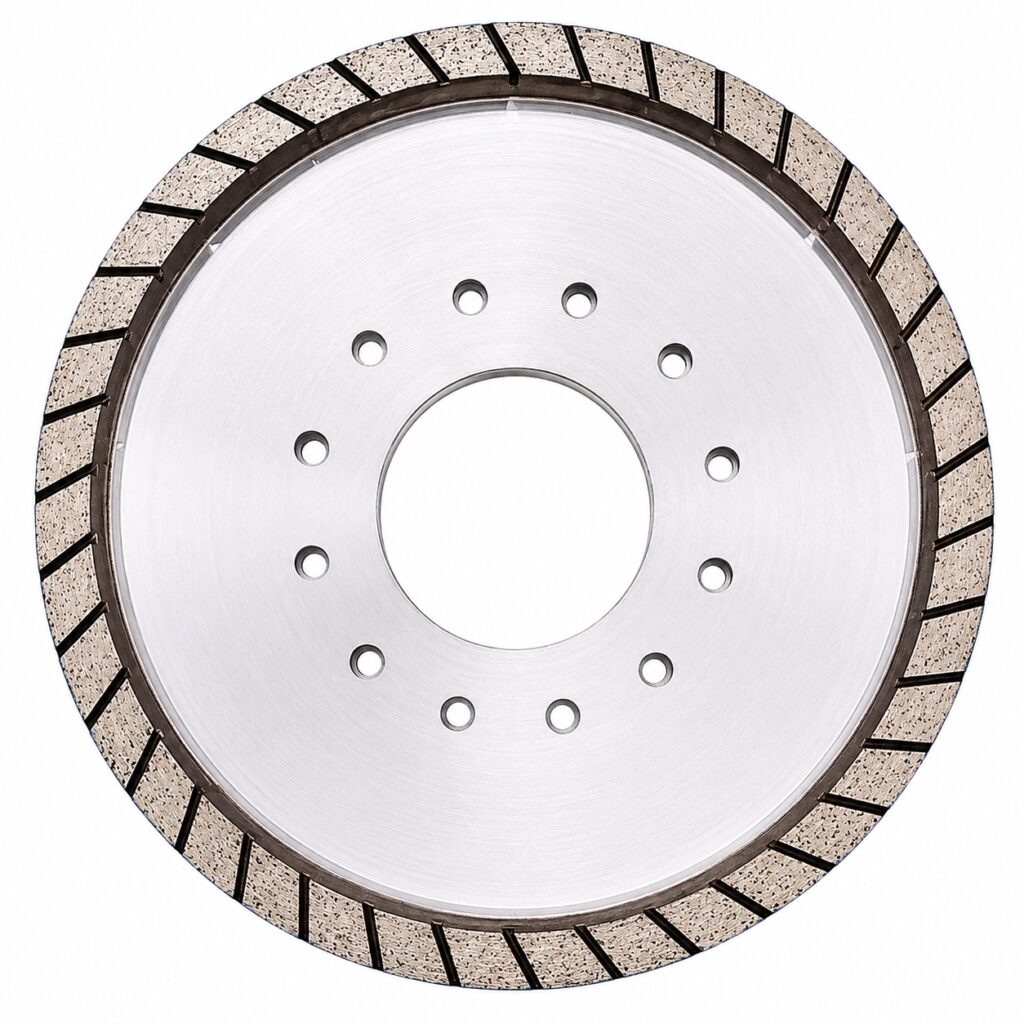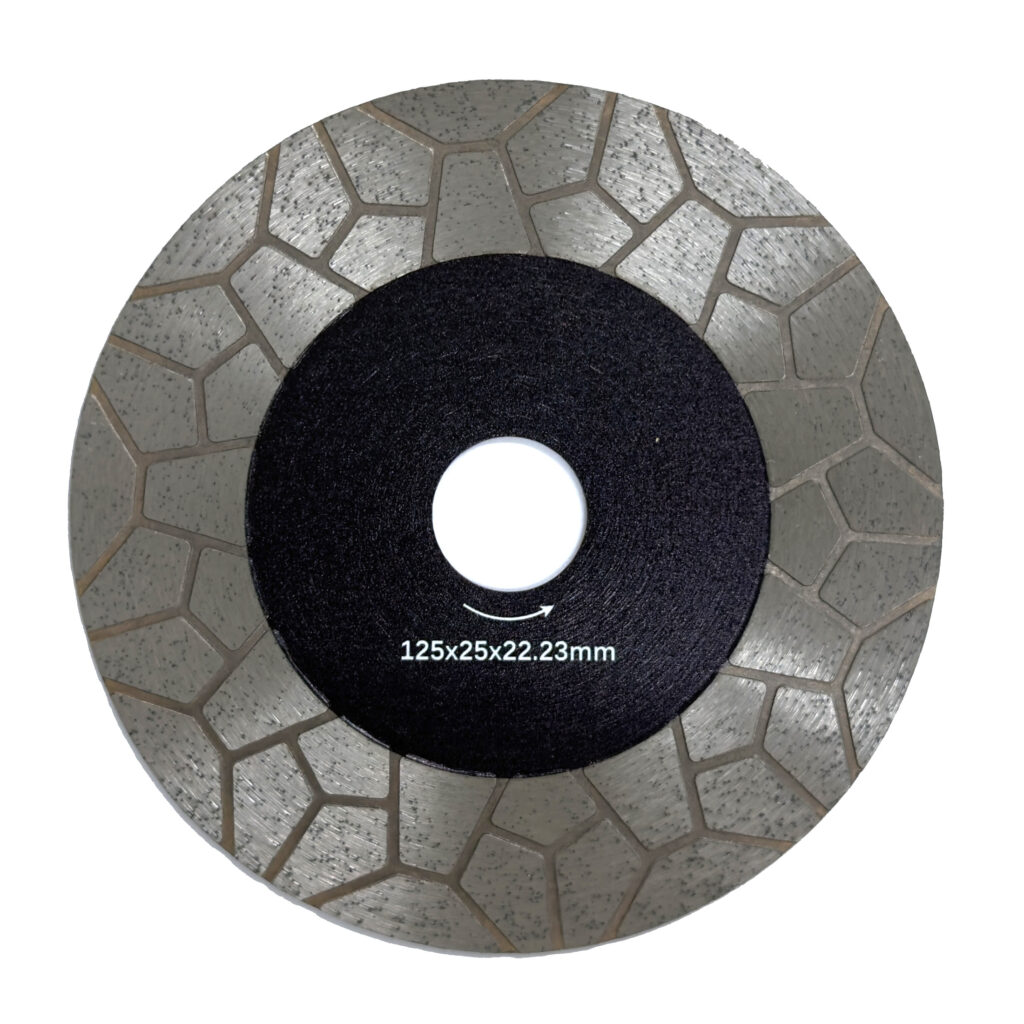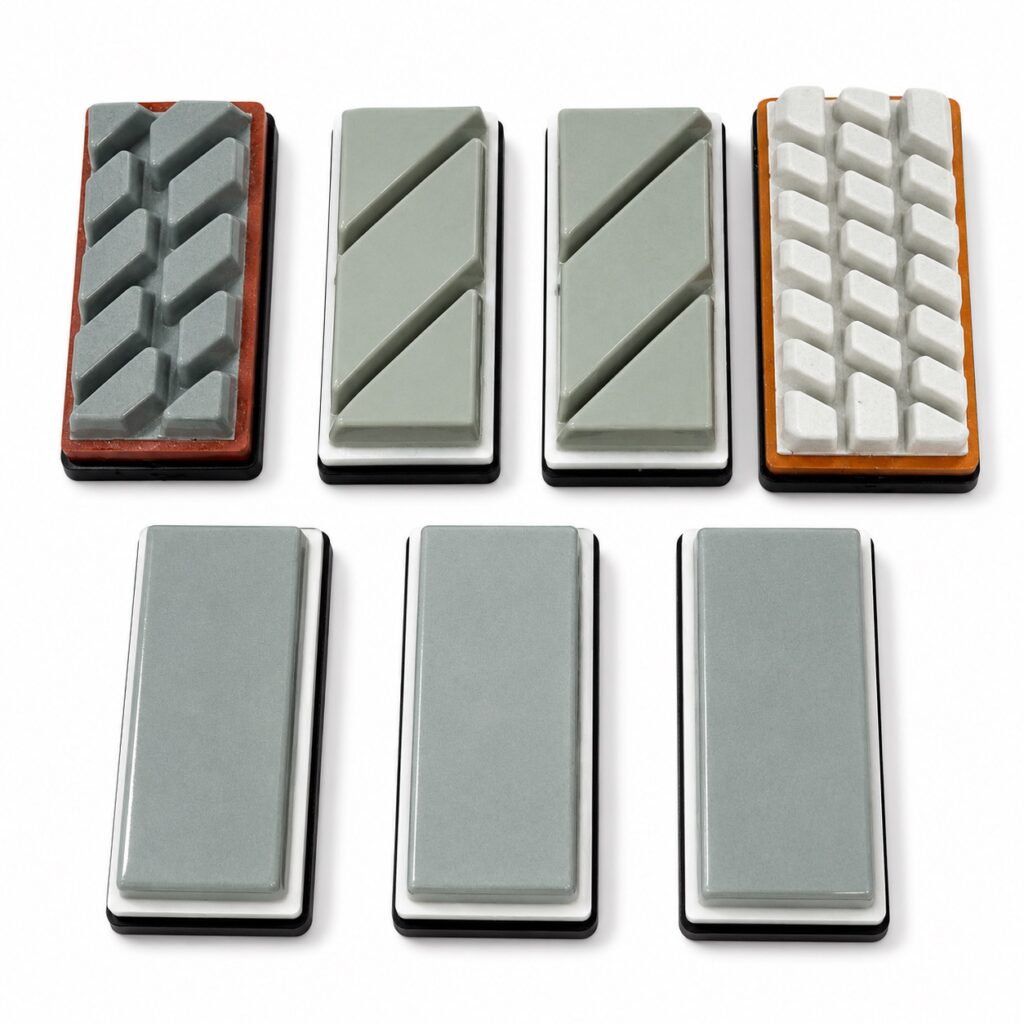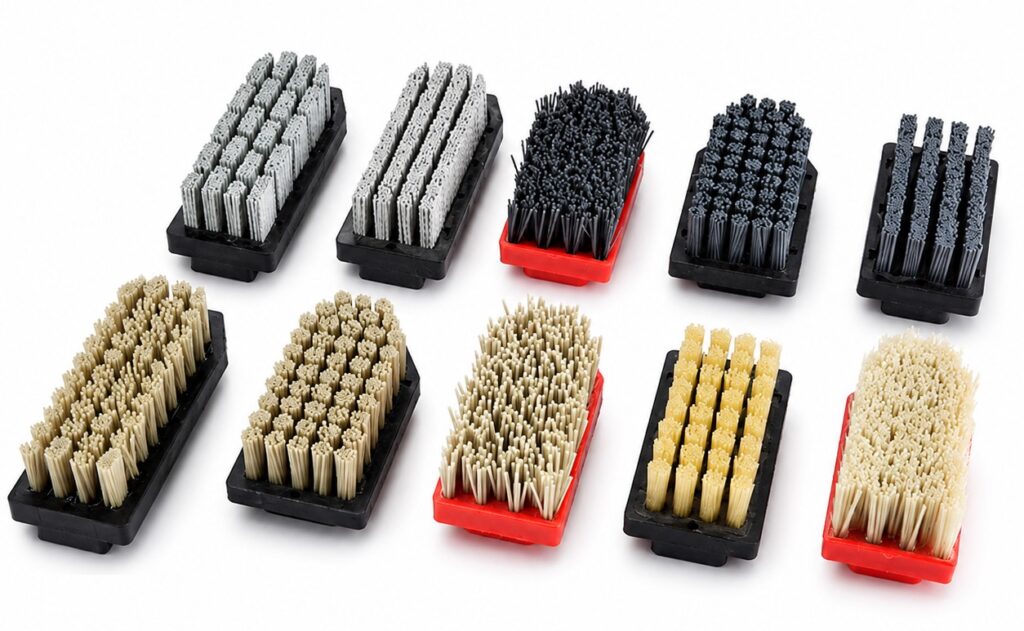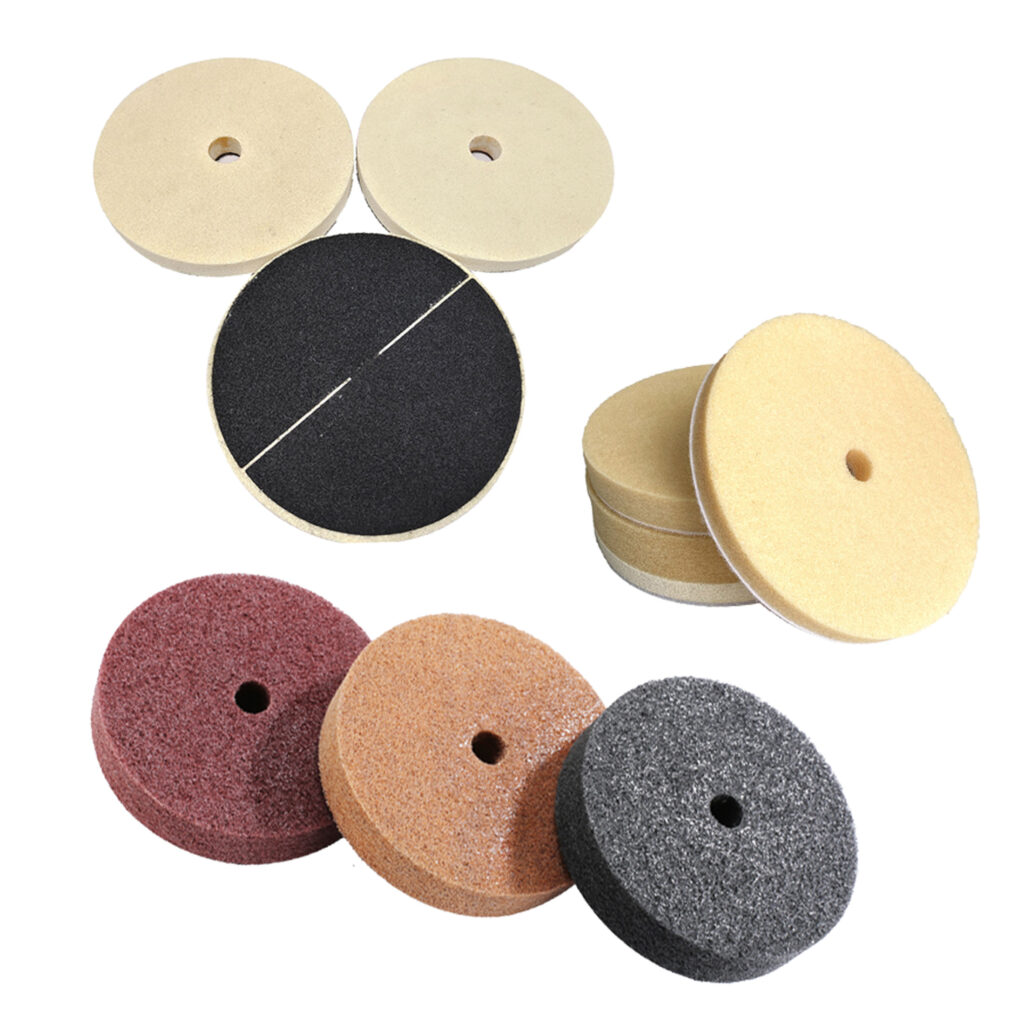
A squaring wheel’s rim construction describes how the diamond-bearing edge is built; it does not by itself establish where that wheel belongs on the line or what it will do to a given tile. Two candidates that look categorically different on a datasheet may be proposed for different duties, or for the same duty under different machine conditions. Separating rim construction from wheel duty, and then from tile and machine effects, is what makes a comparison meaningful rather than descriptive.
Separate Rim Type from Wheel Duty
The first screening question is not which construction is better, but what duty each candidate is proposed for and under which process context. Diatex lists both segmented and continuous-rim wheels within dry ceramic squaring, including examples assigned to roughing and finishing duties, and also lists a continuous-rim wheel assigned to pre-finishing (Diatex – Diamond Tools for Ceramic Tiles Dry Squaring). That is a manufacturer’s product architecture: it shows that a rim label does not fix a wheel’s line position, but it does not prove equivalence between candidates, a BASAIR specification, or a universal advantage for either rim type.
Practically, this means the candidate record should carry more than the rim shape. If a segmented wheel is offered as a roughing tool and a continuous-rim wheel as a finishing tool, they are not two answers to the same question, and a head-to-head trial will not produce a transferable result. Candidates drawn from BASAIR’s diamond squaring wheel family still require this candidate-specific confirmation before any comparison is planned.
| Candidate attribute | What to record | Why it matters |
|---|---|---|
| Rim construction | Continuous-rim or segmented | Identifies the construction being compared but does not establish suitability by itself |
| Proposed duty | Roughing, pre-finishing, or finishing | Diatex shows that rim constructions may appear in more than one duty, so position must be explicit |
| Process context | Dry or wet, as proposed for the project | BASAIR selection is project-specific and the compared candidates must share the intended context |
| Machine position | Exact wheel station and responsibility | Keeps the comparison tied to one line duty instead of mixing positions |
| Supplier boundary | Candidate designation, assumptions, and excluded uses | Prevents a trial result from being generalized beyond the supplier-confirmed scope |
Hold the Trial Conditions Constant
Once duty is fixed, the comparison should change one variable: the wheel candidate. Both candidates should run at the same machine position and against the same agreed removal duty, on a representative tile set, so that the result can be attributed to the wheel rather than to the station.
The trial record should carry the conditions that govern the result: tile material, dimensions, thickness, incoming edge condition, the process context (dry or wet), the speed basis used, and the target output the line is expected to meet. If a candidate cannot run without an adjustment — a changed setting, a re-dressed or repositioned wheel, a modified feed basis — record the adjustment instead of absorbing it silently, because it forms part of what the candidate actually requires in this line.
Supplier involvement belongs at this stage, not after the fact. The wheel supplier is the party best placed to state what the candidate is designed to do in the proposed position and which conditions cannot be fairly combined into a single side-by-side comparison. Where the supplier and the factory disagree on the trial setup, that disagreement is itself information about how far the comparison can be trusted.
A comparison that changes the wheel and the removal duty at the same time cannot attribute the result to either.
Compare Dimensional and Surface Results
The measurable result domains should be agreed before testing rather than selected afterwards. ISO 10545-2:2018 identifies length, width, thickness, side straightness, rectangularity, surface flatness, and surface quality as ceramic-tile measurement domains (ISO 10545-2:2018). Not all of them bear on every edge-processing decision, so the factory should choose only the domains relevant to the finished edge and use its own agreed method and acceptance values rather than importing a value from another source.
Sampling discipline matters as much as domain choice. Each candidate should be assessed on the same sample definition, before and after processing, so that the before/after record is comparable across the two wheels. The ISO standard describes measurement scope; it does not set a machine tolerance, a sampling plan, a trial setting, or a BASAIR acceptance value, and none of those should be inferred from it.
| Result domain | Trial record | Boundary |
|---|---|---|
| Length and width | Use the buyer-agreed measurement method on the same sample definition for each candidate | No tolerance is supplied by the source |
| Side straightness and rectangularity | Record only if these dimensions belong to the finished-edge decision | ISO scope does not set a machine acceptance value |
| Thickness and surface flatness | Record when they affect sample comparability or interpretation | Do not treat them as wheel performance without project evidence |
| Surface quality | Use the buyer’s defined observations or measurement method on the processed edge | No finish threshold or defect rate is established |
| Applicability range | Identify the tile, duty, machine position, and process context represented | Results do not automatically extend to other tiles or conditions |
Record Adjustment, Wheel Condition, and Process Consequences
Product measurements alone rarely explain why one candidate was easier to live with than the other. Alongside the dimensional and surface record, the trial should log the interventions made during the run, the observed wheel condition over the agreed trial quantity, what a changeover between candidates would involve, and whether either candidate affected connected dust or water handling.
These observations are useful for explaining operational trade-offs, but they remain observations from one trial. Wheel condition seen over a limited trial quantity does not establish a wear rate or a tool life, and a changeover or handling observation does not establish a cost or productivity difference for the line. Treat them as the practical context that accompanies the measured result, and keep them in the record so that the eventual decision can be explained later.
Convert the Trial into a Conditional Selection
The conclusion of the trial should be written as a conditional selection, not a verdict on a rim type. It should name the chosen wheel, its intended duty and station position, the tile and process range the trial actually represented, the evidence reviewed, and the conditions left untested.
That boundary has to be explicit because a controlled result on one sample set does not authorize a full-range claim. Different tile material, a different thickness, a different duty, or a shift between dry and wet processing each falls outside what the trial demonstrated and would need separate confirmation. Where the factory intends to adopt the wheel beyond the tested range, the sensible next step is a supplier-agreed comparison under those new conditions rather than an extension of the existing result.
Frequently Asked Questions
Q: Can we choose a continuous-rim wheel simply because we need a finishing result?
A: Rim construction alone does not establish the correct duty. Continuous-rim and segmented constructions appear in different dry-squaring duties in manufacturer references. Confirm each candidate’s proposed roughing, pre-finishing, or finishing role, machine position, and wet or dry context before comparing it for your line.
Q: Is a trial meaningful if the two wheels run at different stations or removal duties?
A: Those differences prevent a direct comparison of rim construction alone. Agree the same machine position, removal duty, representative tiles, and process conditions with the supplier. Record any unavoidable adjustment so the selection reflects the actual comparison rather than attributing every result to the rim type.
Q: What evidence helps us choose between wheels that both produce acceptable edges?
A: Compare the relevant dimensional and surface results alongside recorded interventions, wheel condition over the agreed trial quantity, changeover implications, and effects on connected dust or water handling. Use the same sample definition and agreed assessment methods for both candidates; these observations support a project choice without establishing universal wheel life or cost.
Q: Does a successful trial on one tile format justify changing wheels across our whole range?
A: It supports selection for the conditions represented in that trial. Record the chosen candidate, duty, station, tile range, process context, and evidence reviewed. Identify other materials, formats, duties, or wet and dry contexts as untested conditions needing separate confirmation.