
Tile secondary-processing equipment converts fired ceramic tile, porcelain tile or slab stock into a new size, edge, groove or assembled product. The correct machine route starts with the finished part drawing: cutting a strip, producing a 45-degree decorative joint, forming a bullnose, making a back groove and flattening an inlay are different clamping and tooling problems.
Explore machines and configurations
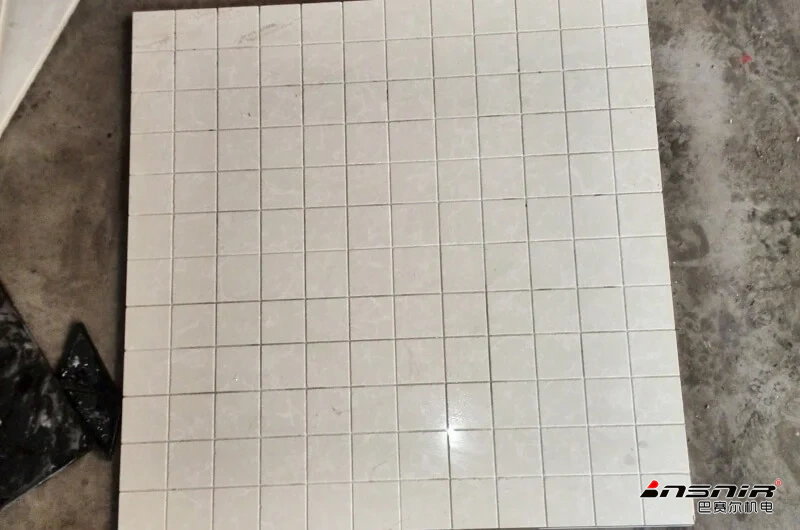
Manual CNC Tile Cutting Machine
Operator-loaded manual cutting with single- or double-head arrangements and PLC size setting. Compare table support, feed method and the finished cut geometry.
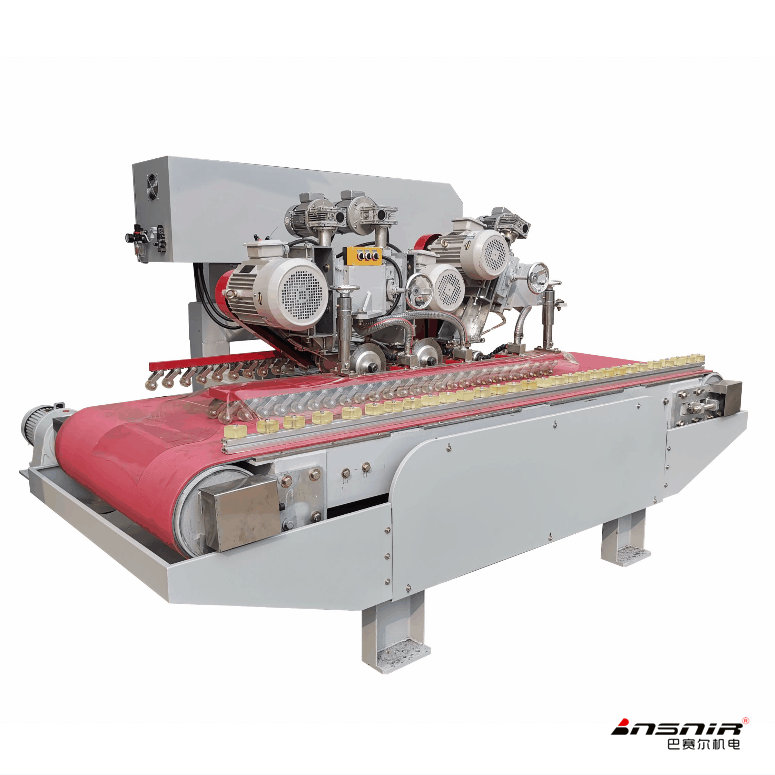
Automatic CNC Tile Cutting Machine
Automatic CNC continuous cutting with three-blade configurations. Match adjustable feed, cutting width, positioning and outfeed coordination to the production mix.
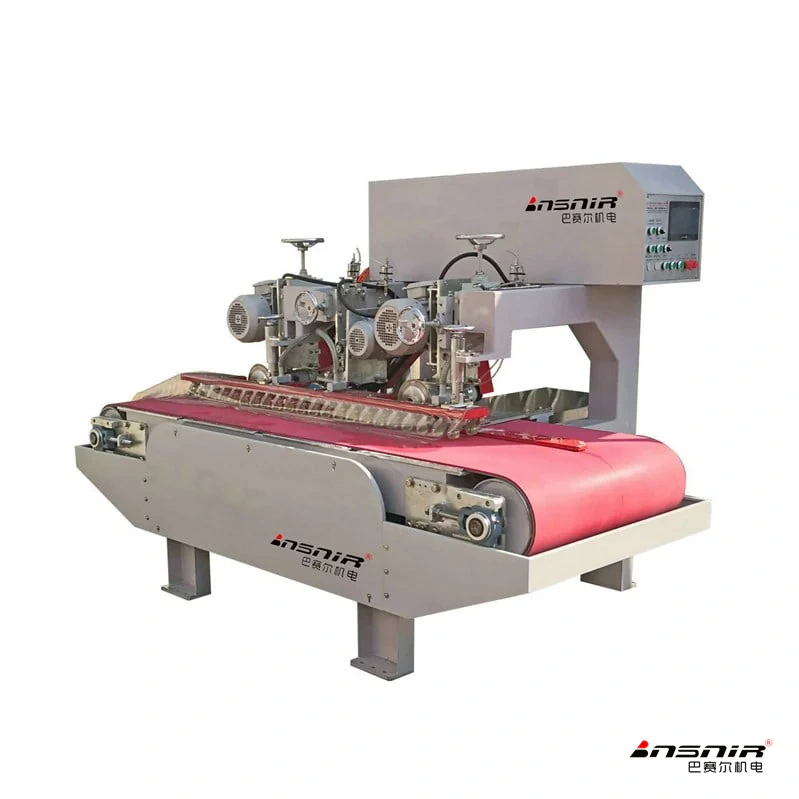
Multi-Blade Tile Cutting Machine
Multi-blade cutting for mosaic blanks and skirting strips. Compare single-, double- or triple-shaft arrangements, strip support and changeover requirements.
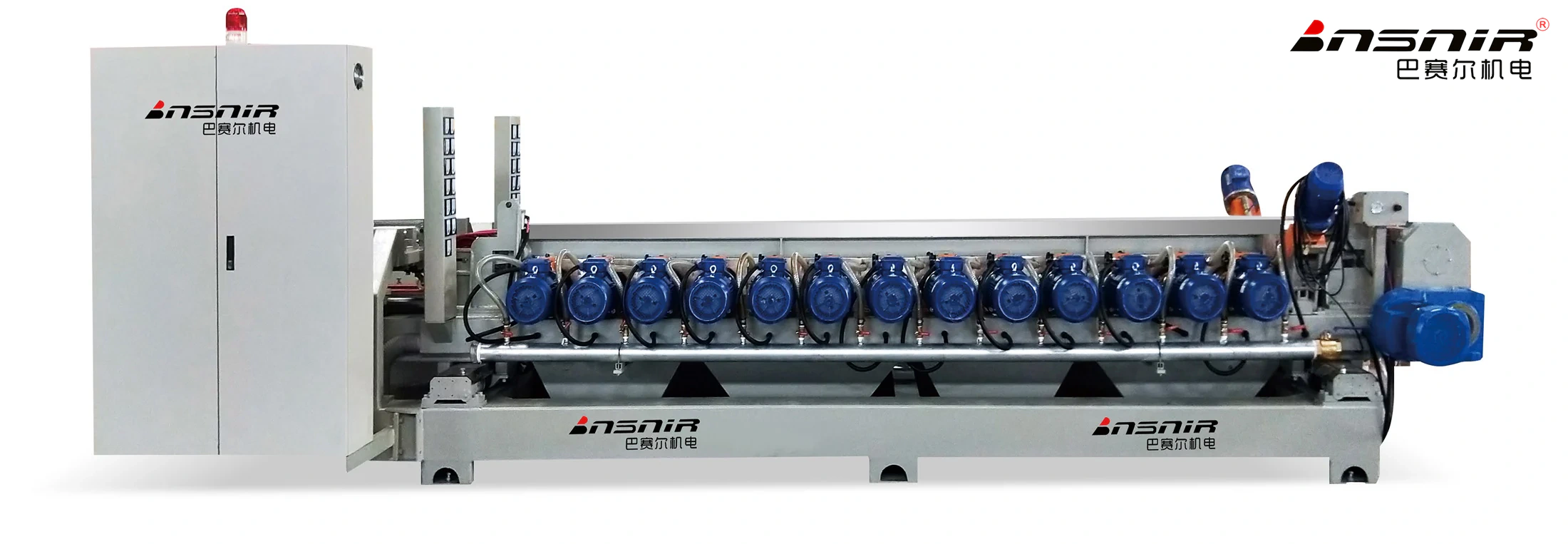
Squaring And Chamfering Machine
Squaring and chamfering establish finished tile dimensions and edges. Choose wet or dry processing with suitable tooling, transport and dust or slurry handling.
Tile Cutting Chamfering Line
Combine wet or dry cutting with single-edge grinding or 45-degree stations. Confirm material suitability, transfer support and station balance.

45-Degree Tile Chamfering Machine
Compare manual or automatic feed and multi-head 45-degree chamfering and polishing. Define the retained face, joint section and piece support.
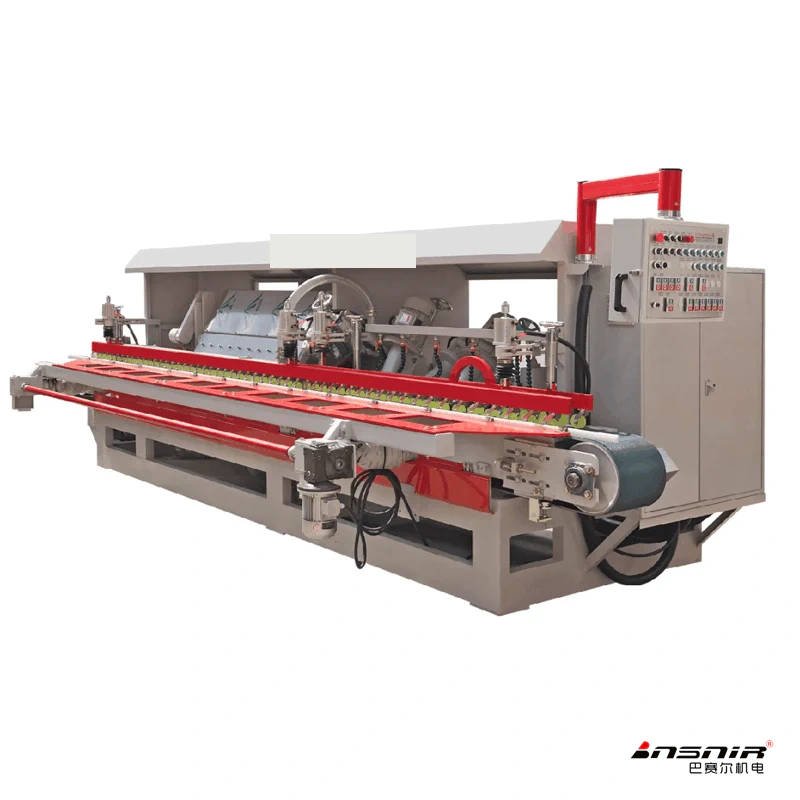
Tile Bullnose Polishing Machine
Form and polish bullnose or curved tile edges. Specify the profile, blank support, decorative face and required sequence of shaping and finishing.
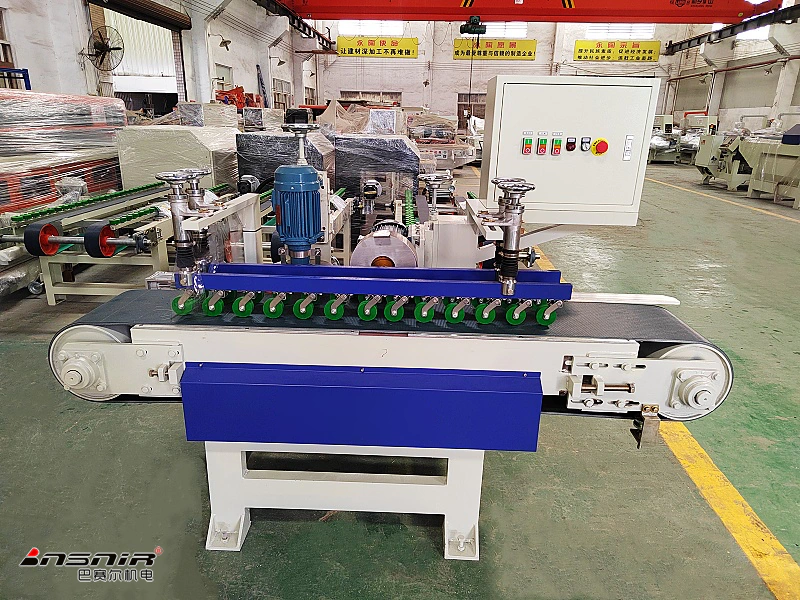
Tile Back Grooving Machine
Manual or automatic grooving for tile fixing applications. Compare multi-blade groove arrangements, section, position, depth and material support.

Special Tile Chamfering Machines
Process inner chamfers or retained-head edge geometry that needs dedicated access and support. Choose the arrangement from a section drawing or sample.

Bilateral Offset Tile Edge Machine
Process opposite tile edges through offset machine sections. Confirm finished width, edge profile, feed direction and support between stages.

Tile & Slab Inline Cutting Production Line
Inline cutting routes for ceramic tile, wood-look formats, glazed tile or slabs. Define cut patterns, material support and connected-station handoffs. AI-edited configuration reference.
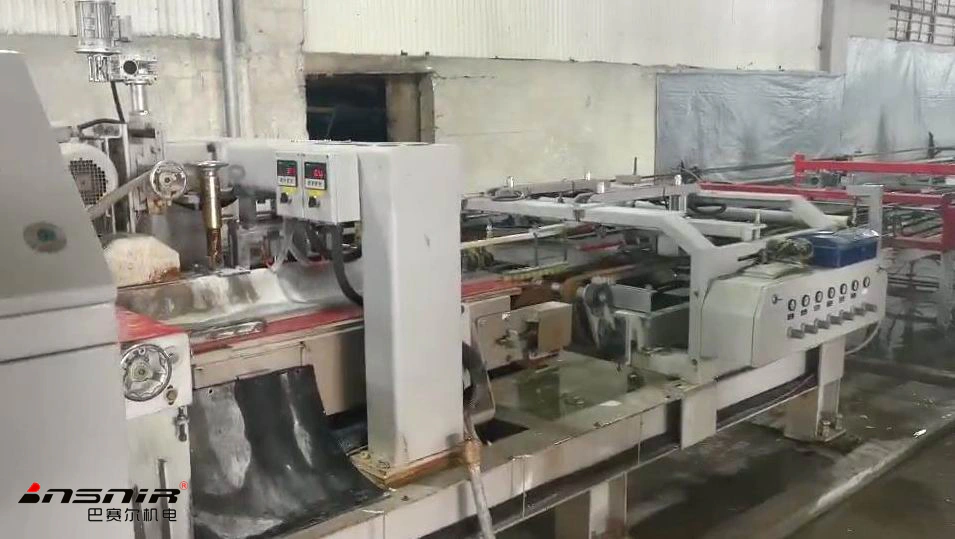
Thick Tile Cutting & Edge-grinding Line
Thick-tile cutting with upper/lower cutting arrangements. Compare single-blade/single-edge and multi-blade/double-edge grinding routes against the actual piece and edge requirements.
Information needed for a secondary-processing proposal
- Material, surface, thickness and photos of the incoming tile or slab
- Dimensioned finished-part drawing with decorative face and working edges marked
- Raw size, finished size, allowance, batch quantities, product mix and required output
- Required operations in order: cutting, straight-edge grinding, mitering, profiling, grooving, polishing or pressing
- Accepted samples or measurable criteria for edge, groove, flatness and appearance
- Available footprint, loading method, line direction, working height and upstream/downstream equipment
- Electrical supply, water, drainage, compressed air, dust collection and sludge route
Request a tile secondary-processing review
Machine layout, working range, output, tools, utilities and acceptance criteria are project-specific and depend on the customer’s material, finished geometry, selected configuration and engineering confirmation.
Choose the route by finished product
Start from the finished tile geometry: resized rectangles, narrow strips or mosaics, beveled edges, rounded skirting edges, back grooves or a special profile. A combined cutting and edge-processing line suits a repeated route only when its size range and changeover match the production mix. Retain a separate station where a special operation would otherwise limit the full line.
For a dedicated equipment or tooling review, see Tile & Slab Inline Cutting Production Line.