
A ceramic tile finishing line is the project route that turns a defined fired-tile input into an accepted size, edge and surface condition by coordinating only the necessary post-firing stations. The buyer’s decision is therefore not “which complete line should I buy?” but which sequence can hold the required geometry and finish across the real product mix, at the required usable output, with workable water, slurry, dust, power and downstream interfaces.
BASAIR configures this route from the tile body and face, incoming variation, finished dimensions, edge and surface criteria, product families, shift pattern, factory layout and utilities. It is not a fixed package, a delivered-project case or a claim that every module is already confirmed. Start from the Solutions overview and use the ceramic tile finishing equipment map for the approved product responsibilities.
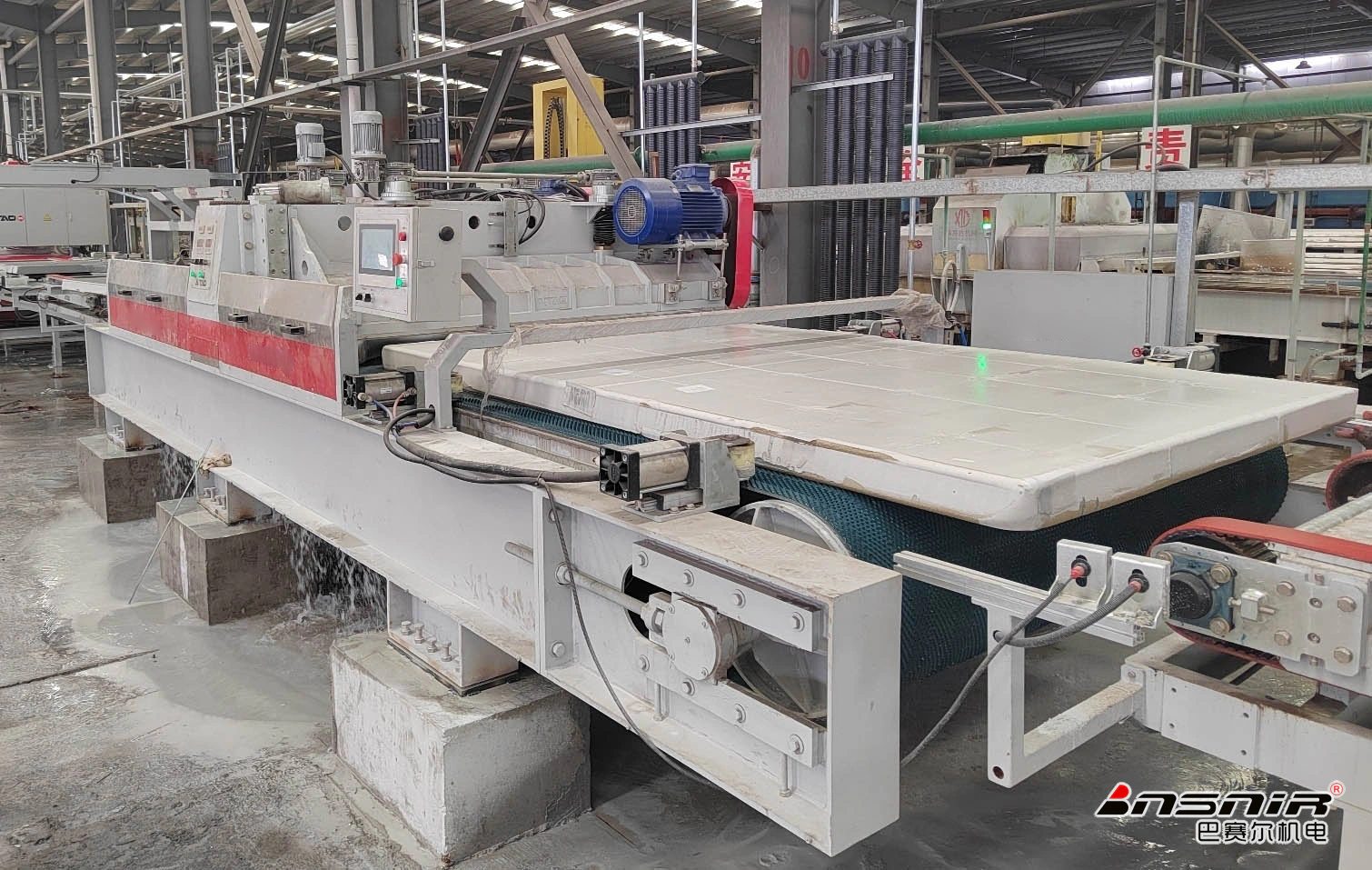
Choose stations from the finished tile and incoming condition
| Buyer condition | Approved starting route | Evidence required before inclusion |
|---|---|---|
| Fired edges need final dimensional correction | Squaring and small-chamfer line | Raw/finished size distribution, edge allowance, diagonal and chamfer definition, dry/wet route and representative edge samples |
| Face variation must be reduced before polishing | Tile surface calibrator, followed by measurement and the selected grinding/polishing route | Thickness map, surface-layer limits, maximum removal, remaining thickness, groove condition and trial response downstream |
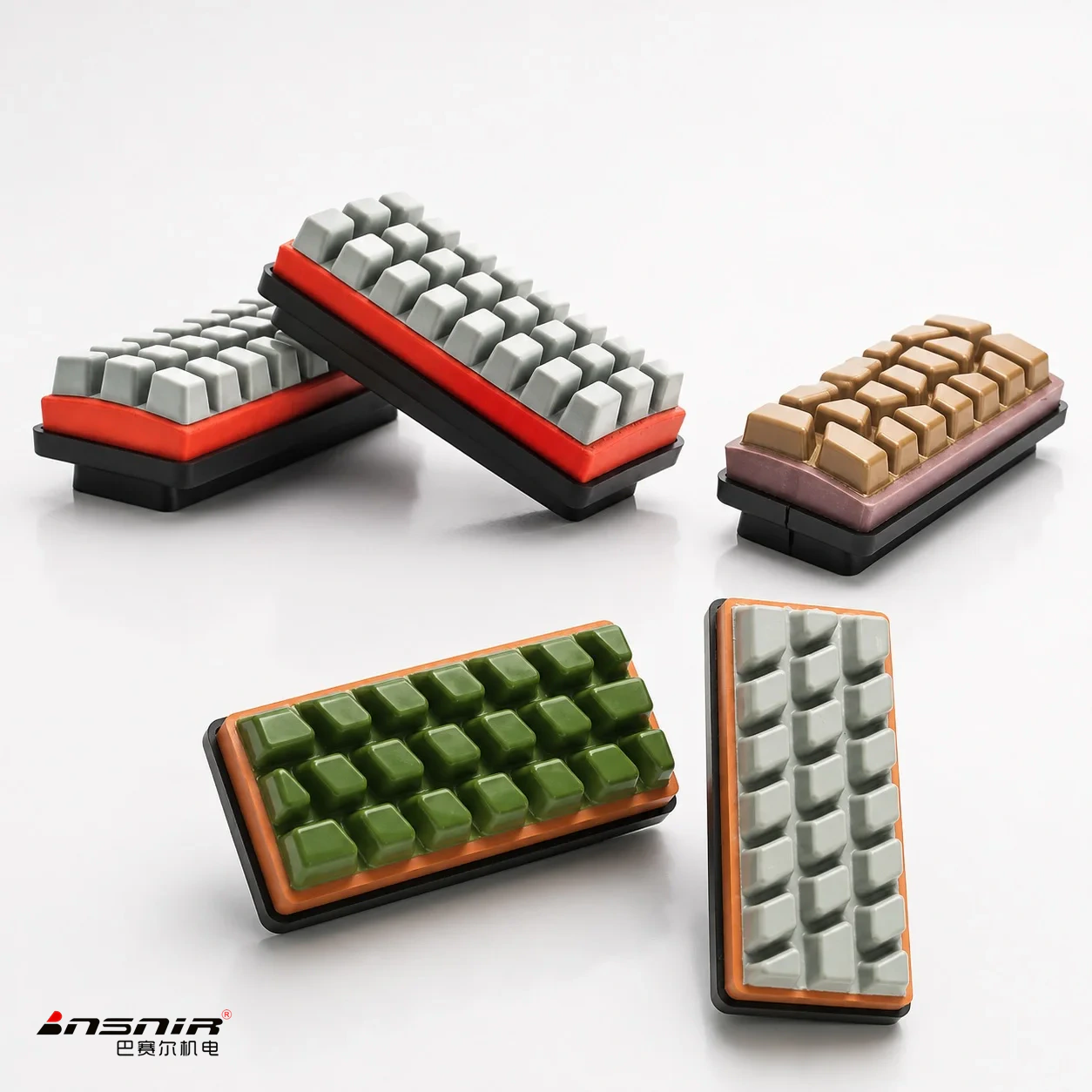
| A polished or lappato face is required | Continuous line polishing with a station-by-station abrasive sequence | Tile body/face, accepted surface sample, prior calibration, head/tool interface, water condition and agreed inspection method |
| The line must also convert size | Use the ceramic tile cutting selector; repeated wet strips can route to the multi-blade cutter, while a compact cut-and-edge cell can route to the small cutting and squaring line | Parent/finished drawing, separation principle, cut schedule, kerf/allowance, piece support, edge requirement and waste route. Dry scoring and splitting remains a project-confirmation node, not a released linked product |
| A chemical end treatment is specified | Waxing and surface-treatment equipment after the required cleaning and drying condition is proven | Exact product label, current technical and safety data, application duty, tile condition, trial method and packaging compatibility |
Surface cleaning and suction/air-knife drying are necessary decision nodes when residue or carried water would affect inspection, treatment or packing. Their exact machines, working range, energy/noise data and supply responsibility remain project-confirmed; they are not presented as standard included modules or linked products here.
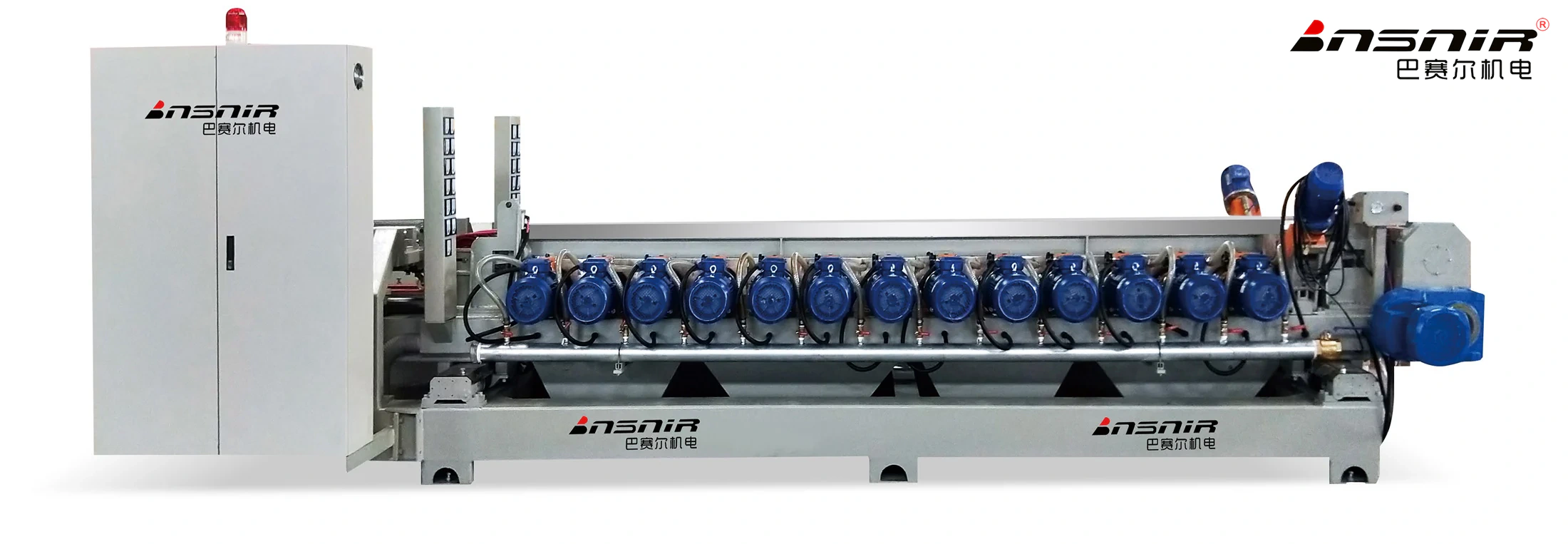
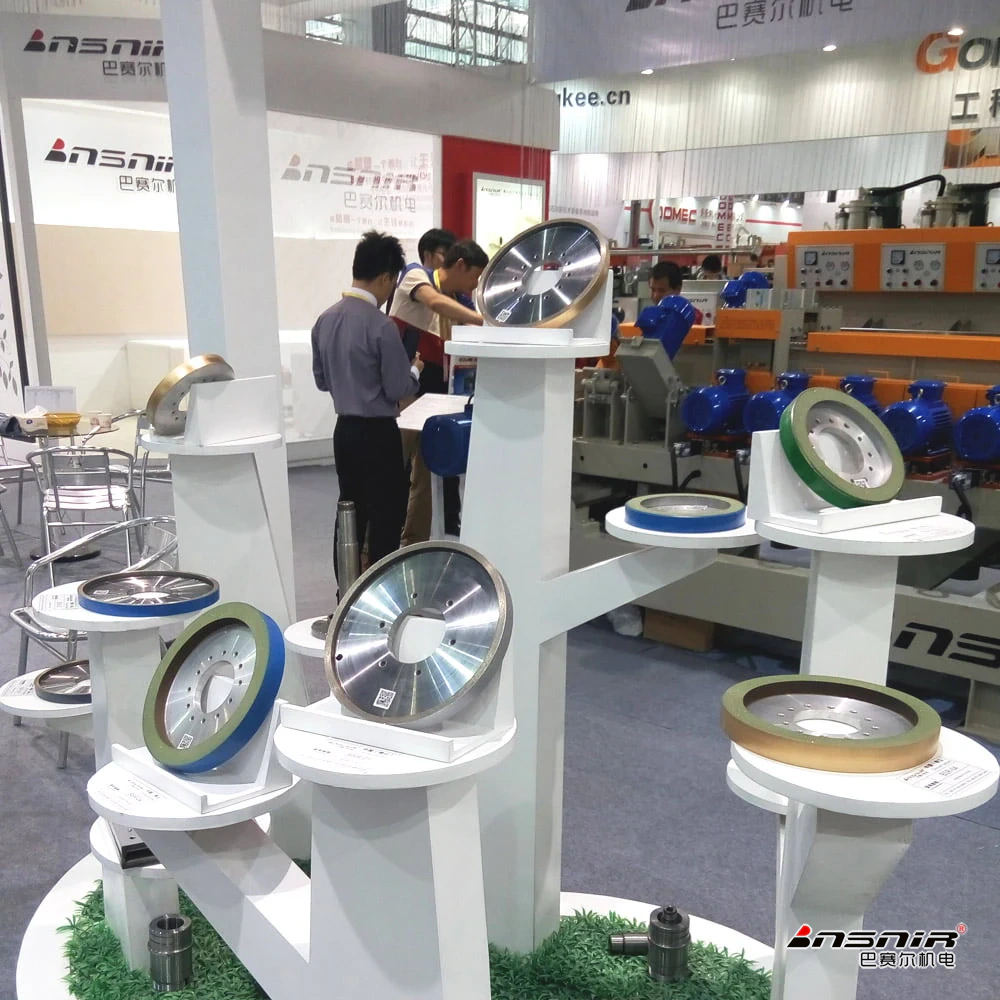
Build a controlled sequence instead of combining module names
Freeze the raw-to-finished product route for each family. A rectified unpolished tile may need edge alignment, squaring, a small chamfer and inspection, with cleaning or drying only when the process condition requires it. A polished family may need measured face preparation, staged polishing, edge work, residue removal, drying and an approved end treatment. A cut-down format needs its cut and support plan resolved before the new edges can be inspected or finished.
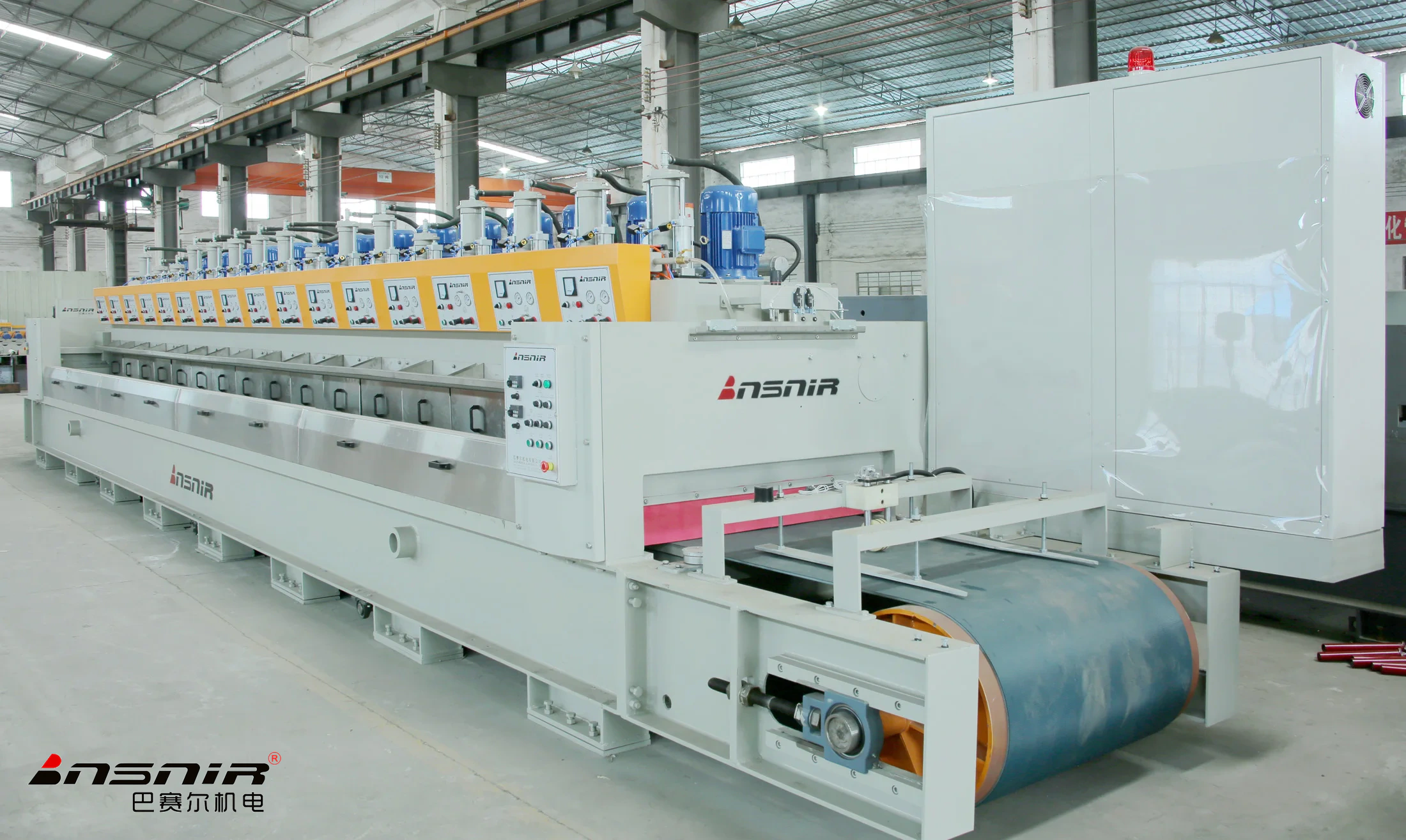
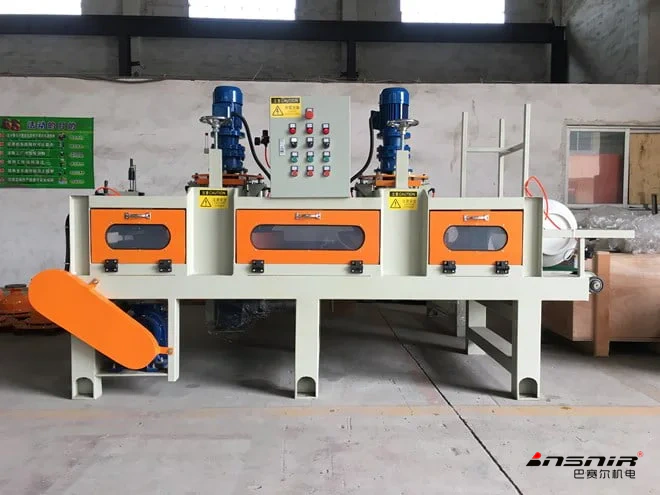
At each irreversible handoff, retain a datum and inspection point. Record tile orientation, spacing, supported area, conveyor elevation, transfer gap and whether the face may contact belts, rollers or guides. The slowest real station, changeover, inspection and rejection logic—not a headline machine speed—sets the usable line plan.
Close mechanical, utility, environmental and safety interfaces
| Interface | Freeze before engineering release | Project evidence |
|---|---|---|
| Product and quality | Tile families, incoming variation, finished geometry/face, defect limits, sampling and inspection conditions | Marked drawings, accepted samples and a measurement plan for dimensions, edge and surface |
| Mechanical flow | Direction, height, gap, datum, orientation, support, accumulation, rejection, format change and maintenance envelope | Scaled layout, handoff drawings and a representative changeover/fault-recovery trial |
| Power and controls | Voltage/frequency, final load list, control ownership, ready/run/fault signals, emergency-stop zones and restart logic | Approved electrical/interface schedule for the selected modules |
| Wet process | Water quality/flow/pressure, splash containment, drainage, slurry collection, treatment boundary and downstream moisture condition | Water-and-solids balance plus observed trial behavior at agreed duty |
| Dry process and chemicals | Capture points/duct boundary for dry grinding; exact treatment product, ventilation, storage, handling and waste responsibility | Dust-system review and, for chemicals, current technical/safety documents plus a controlled tile-and-package trial |
| Safety and access | Guards/interlocks, lockout and zero-energy procedure, wet-floor control, tool lifting, chemical protection, safe clearing and local responsibility | Selected-machine documentation, site risk review and witnessed safety-function checks |
Approve the difficult product families, not one convenient sample
Run representative tiles covering the incoming variation, largest and smallest formats, surface families, most demanding removal or edge condition and expected changeovers. Record station settings, tools, water or dust condition, line timing, rejected pieces and operator interventions. Inspect dimensions, diagonal, edge/chamfer, chipping, thickness/flatness where relevant, surface appearance and the downstream cleanliness or dryness condition using the agreed methods.
Where treatment or protective packaging follows, keep the exact chemistry, film or contact material and storage interval in the acceptance trial. One visually good tile, one nominal format or a dry-looking surface at line exit does not establish stable production, chemical performance or packaging compatibility.
Information required for a finishing-line proposal
- Tile body, fired condition, glaze/face, raw and finished length, width, thickness, weight and representative samples/photos.
- Incoming variation and defects; required size, diagonal, edge/chamfer, thickness/flatness and surface acceptance method.
- Required process order, existing machines, retained equipment, tool interfaces and the exact upstream/downstream handoffs.
- Product-family matrix, usable output by family, batch sizes, shifts, operating hours, changeover frequency and planned project timing.
- Factory layout, infeed/outfeed direction and elevation, available footprint, foundation/floor data, access and maintenance clearances.
- Electrical supply, process-water analysis/availability, drainage, slurry route, dust extraction, compressed air, ventilation and waste boundaries.
- Automation scope, signal list, buffering/rejection need, operator roles and the site’s guarding, lockout and safety requirements.
- For treatment: exact product label, technical and safety data, supplier instructions, approved surface target and packaging-contact materials.
- Trial quantity, approved reference samples, inspection instruments/locations, sampling plan and pass/fail rules.
Request a ceramic tile finishing-line review
Final modules, configuration, output, utilities, tool sequence and acceptance depend on the buyer’s tiles, selected process, site and engineering confirmation. No fixed performance, certification, delivery, saving or line-completeness claim is made.