
A tile conveyor and positioning system moves a defined product between two machines and presents it to the next station at the required height, datum, orientation and spacing. It is a project-configured interface, not a promise that one belt, roller or chain layout will suit every tile surface, format or line speed.
1. Define the handoff, not only the conveyor length
Start with the tile condition at the infeed and the exact condition required at the outfeed. Record whether the product is a single tile, a stack or a supported batch; which face and edges may be contacted; the datum side; arrival spacing; travel direction; and the next machine’s acceptance window. A conveyor that moves the tile but cannot present it repeatably is not a complete positioning solution.
This page covers continuous transfer, spacing, centring and controlled handoff. It does not replace loading and unloading systems, batch transfer and storage, or a buffer sized for a downstream stop. A plane-change or 90-degree turning mechanism also needs its own confirmed project module.
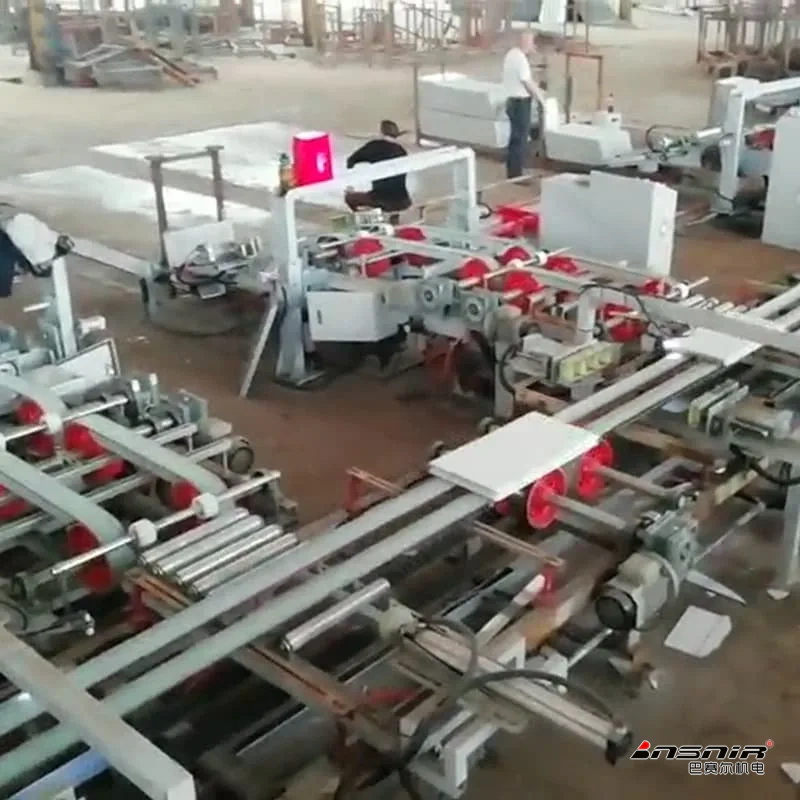
2. Select the support and positioning route through explicit trade-offs
| Decision | First direction | Alternative direction | Evidence needed |
|---|---|---|---|
| Flat belts vs. rollers or chains | Broad, controlled support where surface contact and small gaps matter | Robust transfer, drainage, stack or pallet support, or a duty that needs discrete contact lines | Tile/stack condition, permitted contact, load, wet/dry environment and gap tolerance |
| Side guides vs. active centring | The incoming product already follows a stable datum and only needs containment | The next process needs a repeatable centreline or edge datum after variable arrival | Incoming variation, permitted edge force and required downstream presentation |
| Surface-mounted vs. pit-integrated chain | Civil work should be minimized and the transfer elevation is available above floor | A flush handoff or low chain path justifies a pit and drainage/maintenance plan | Floor loading, pit drawing, drainage, access and line elevation |
| Synchronized continuous flow vs. indexed positioning | The next station accepts a stable moving product stream | Inspection, clamping, transfer or process entry needs a controlled stop | Cycle diagram, sensor location, stop accuracy method and restart logic |
3. Keep published partner values tied to their exact arrangement
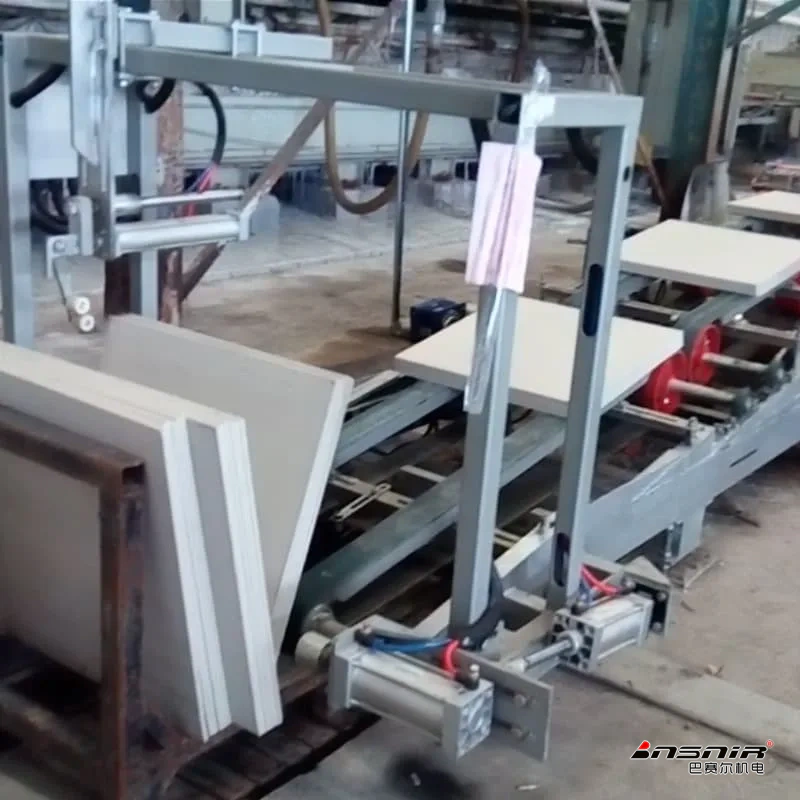
The cited SSBL examples support chain conveyance, a centring assembly and storage of multiple pallets. BMR’s first-party catalog independently separates belt and roller conveyors, mobile-arm transfer, and centring/alignment units into distinct line responsibilities. These sources establish available mechanism categories, not a universal BASAIR conveyor length, speed, motor power or positioning tolerance.
Final values depend on product mass and stiffness, contact restrictions, required datum, transfer gaps, wet or dry service, accumulation duty, cycle balance, controls and the existing factory layout. Any published partner model or dimension remains a reference instance until the complete project interface is approved.
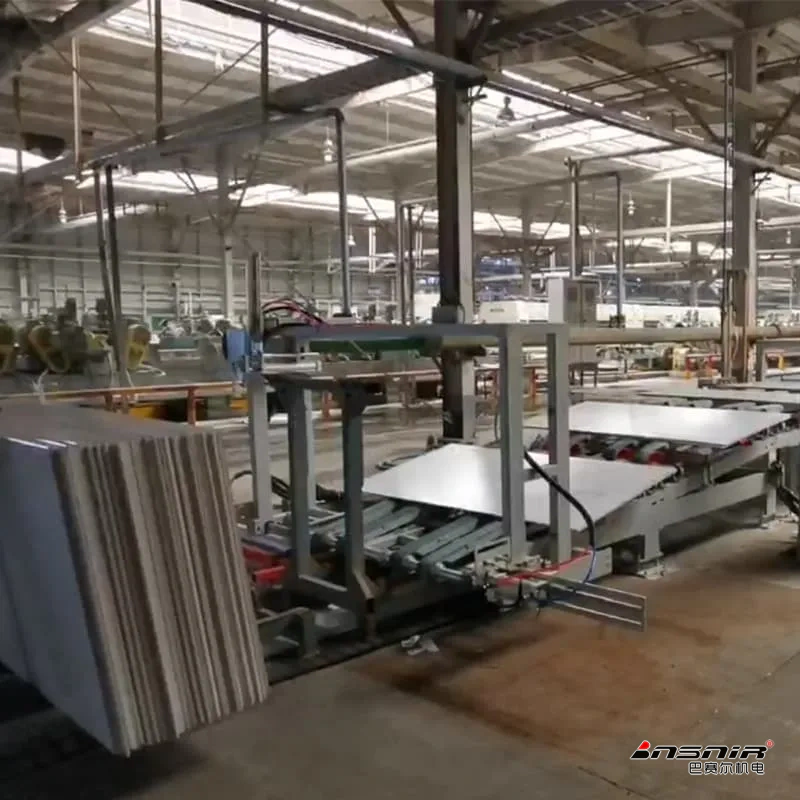
4. Close the mechanical, control and safety interfaces
- Product: material, finish, full size/thickness range, unit or stack mass, flatness, edge condition, permitted contact surfaces and photos of the current flow.
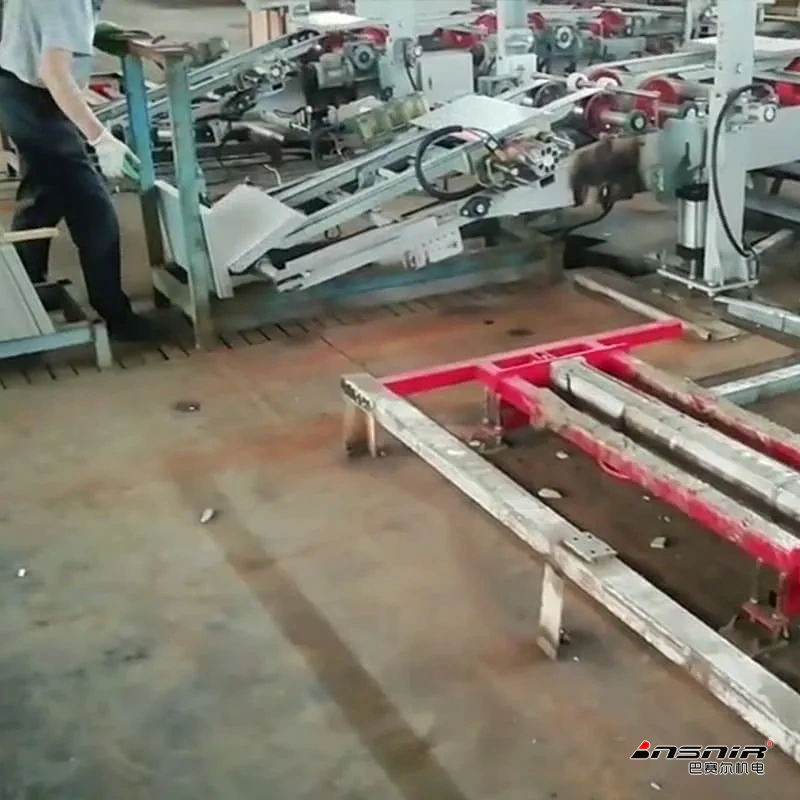
- Geometry: infeed/outfeed direction, datum side, conveyor elevations, transfer gaps, usable width, guide range, turning restrictions and available footprint.
- Duty: current and target rate, arrival variation, spacing, indexed or continuous flow, simultaneous product count, rejects and restart cases.
- Environment: wet/dry service, water and slurry exposure, abrasive dust, cleaning method, drainage and corrosion/material requirements.
- Controls: ready, run, blocked, occupied, downstream-full and fault signals; sensors; recipes; variable-speed ownership; manual mode; power-loss recovery and line master.
- Safety: fixed/interlocked guarding, nip and crush points, emergency-stop zoning, safe access, stored-energy isolation, jam clearing and local compliance responsibility.
- Acceptance: agreed representative tiles, continuous transfer run, datum/spacing measurement method, surface and edge inspection, fault recovery and downstream handoff trial.
5. Submit the line data needed for configuration
| Submission item | Minimum detail | Decision enabled |
|---|---|---|
| Tiles or stacks | Material, finish, sizes, thickness, mass, support/contact restrictions and photos | Belt/roller/chain support and guide method |
| Handoff drawing | Upstream/downstream machine, directions, elevations, datum, gap and available area | Mechanical layout and transition design |
| Production case | Rate, spacing, indexed stops, format mix, shifts, rejects and planned time | Drive, sensor and cycle strategy |
| Controls | Signal list, line-master ownership, recipes, tracking, jam and restart logic | PLC and interlock scope |
| Site and utilities | Power, compressed air, floor/pit, wet/dry conditions, drainage, access and safety requirements | Complete supply and installation boundary |
Use the broader automation, handling and packaging path, identify replacement belts through belts and conveyor parts, or connect the module to the tile automation and packaging solution.
Submit your tile range, handoff drawing and line signals for configuration review