
An explosion-protected dust-collection project is an engineered hazard-control review, not a collector model that can be approved from its name or photograph. The review begins with the actual dust, process, ignition sources, enclosure and jurisdiction, then determines where collection equipment may be located and which prevention, venting, suppression, isolation, grounding, return-air and emergency measures require qualified project design.
BASAIR can coordinate the equipment and interface review around the selected dust-control route. Use dust, sludge and water treatment first when the factory still needs to separate dry-dust control from wet slurry or process-water routes. Final protection measures, calculations, certifications and acceptance documents depend on representative dust data, the complete installed system, the responsible safety engineer and the requirements that apply at the site.
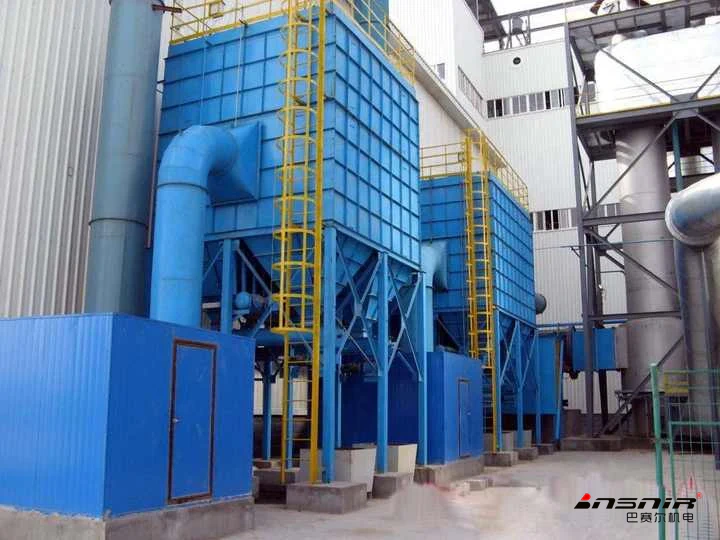
Start with five go/no-go questions
Finely divided material can behave differently from the same material in bulk. Dust explosibility also depends on properties such as particle size and moisture. Therefore, a ceramic, stone, metal, resin, wood or mixed-process description is not enough to approve a protection concept.
| Gate | Evidence required | Decision affected | What this page does not decide |
|---|---|---|---|
| Dust hazard | Representative dust identity, process source, particle distribution, moisture and laboratory data appropriate to the jurisdiction | Whether a combustible-dust hazard exists and which design inputs apply | No default Kst, Pmax, minimum ignition energy or concentration |
| Ignition and process | Hot work, hot particles, sparks, friction, static, electrical equipment, dryers and abnormal operating states | Prevention, detection, shutdown and protection layers | No assumption that a filter alone removes ignition risk |
| Collector location | Indoor/outdoor position, occupancy, egress, property limits, vent route, weather and maintenance access | Separation, safe discharge direction and service boundary | No universal indoor or outdoor arrangement |
| Propagation path | Hoods, branches, return air, hopper discharge, conveyors and connected process vessels | Isolation and protection of upstream/downstream equipment | No claim that a collector vent protects connected ducts |
| Applicable authority | Country, region, insurer, owner standards, authority having jurisdiction and responsible engineer | Required codes, approvals, documentation and sign-off | No universal compliance or certification statement |
Capture, filtration and explosion protection are different responsibilities
A conventional baghouse dust collector page starts with source capture, ducts, filtration, cleaning and dust discharge. A cyclone may reduce suitable coarse loading before final filtration. Neither equipment category, by itself, proves that an installation is suitable for a combustible-dust hazard.
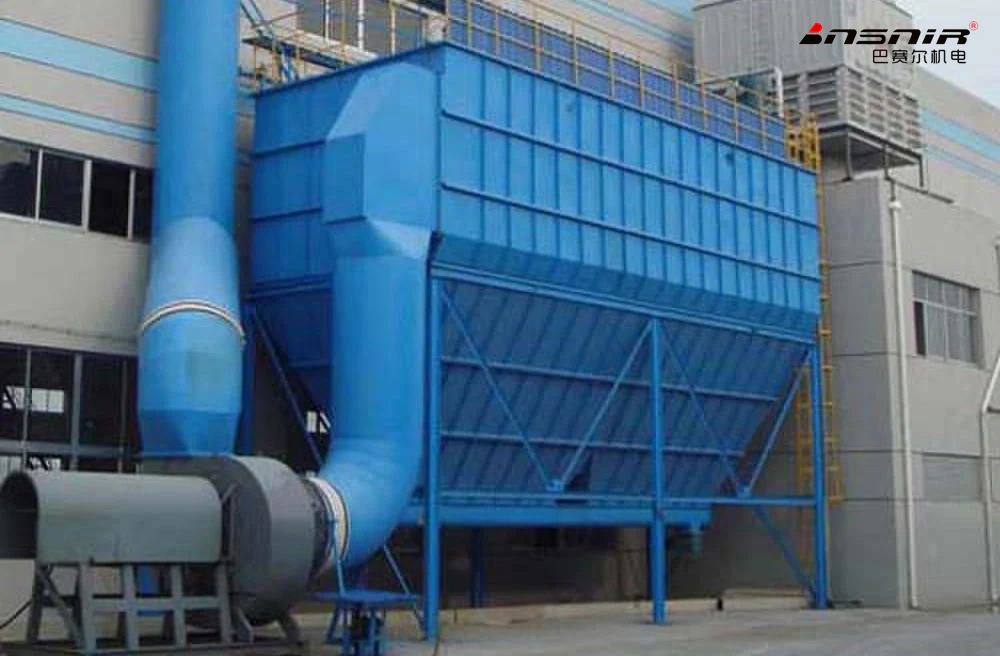
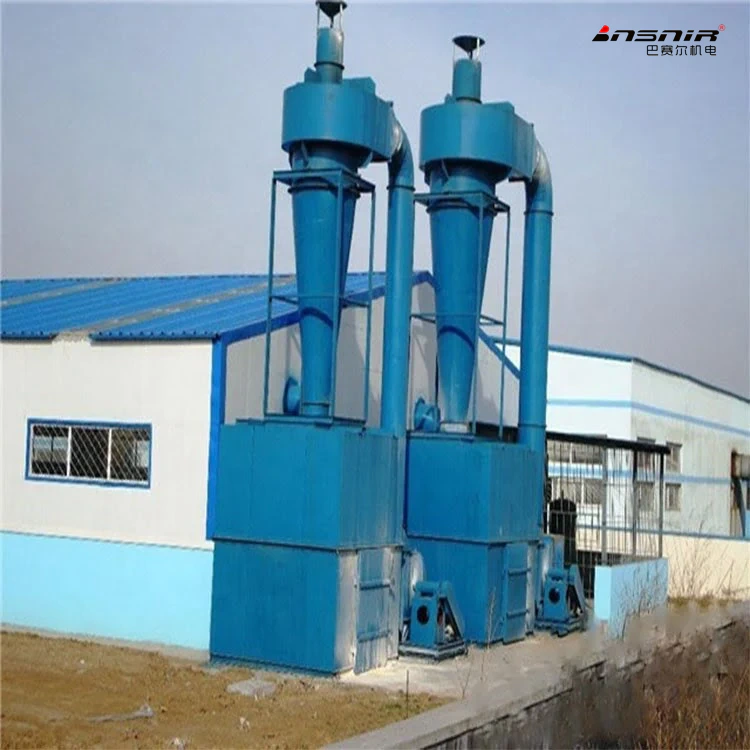
Review the complete containment and propagation path
The project team should map every point where dust is generated, conveyed, separated, filtered, discharged or returned to the building. The protection review then considers the actual hazard and local requirements. Possible design subjects include equipment location, pressure relief to a safe location, flameless venting where permitted, suppression, ignition detection, inlet and outlet isolation, grounding and bonding, classified electrical equipment, abort or return-air controls, fire-system interfaces, housekeeping and emergency procedures. Listing a measure here does not mean that it is required, sufficient or available for every project.
Protection cannot be selected by copying an arrangement from a photograph or another factory. Vent area and discharge route, suppression design, isolation response and electrical classification require project-specific inputs and qualified calculation. The dry processing and dust-control solution connects this safety review to the upstream machines, capture points and general filtration route.
Freeze responsibilities and acceptance evidence before ordering
| Work package | Buyer / site input | Engineering / supplier output | Acceptance evidence |
|---|---|---|---|
| Hazard basis | Representative dust, process description, normal and abnormal conditions | Test-data review, design basis and assumptions register | Approved hazard report and recorded sample identity |
| Layout and capture | Plant drawings, source schedule, occupancy, access and egress | Collector/duct layout, airflow basis, location and safe-discharge boundary | Approved drawing, installed-location inspection and operating-point records |
| Protection layers | Jurisdiction, owner/insurer criteria and connected-equipment list | Calculations and specification for selected venting, suppression, isolation, detection or other measures | Approved calculations, device certificates where required and installation records |
| Electrical and controls | Area classification, utilities, shutdown philosophy and plant interfaces | Equipment schedule, cause-and-effect, interlocks and alarm/reset logic | Loop/interlock test and approved commissioning record |
| Operation and maintenance | Staffing, housekeeping, inspection and emergency-response responsibilities | Manuals, inspection intervals, isolation procedure, training and change-control boundary | Training, handover and maintenance records |
Acceptance is a package of approved project documents and witnessed checks, not a generic website claim. Any later change to dust, process rate, collector location, duct route, return air or connected equipment requires review against the recorded design basis.
Information needed for a project evaluation
- Every dust-generating machine and capture point, with operating photos/video, material and simultaneous schedule.
- Representative dust sample identity, particle and moisture information, available explosibility/ignitability data and the test laboratory/report.
- Known ignition sources, hot work, hot-particle or spark paths, static concerns and abnormal process conditions.
- Plant layout, collector and duct location, elevations, occupancy, egress, property limits and proposed safe-discharge area.
- Existing collector, fan, hopper discharge, return-air, fire-system, electrical and control interfaces.
- Country/region, applicable owner and insurer requirements, authority having jurisdiction and nominated responsible engineer.
- Required project documents, commissioning witnesses, training, maintenance and change-control expectations.