Cutting & Grooving Tools
Saw-blade reference
Identify whether the job is full cutting, opening a groove or finishing a slot, then check the machine interface.
View details
Choose tools for tile and stone by the process, material and machine interface.
Start with your material, the desired cut or finish, and the existing tool or holder.
Saw-blade reference
Identify whether the job is full cutting, opening a groove or finishing a slot, then check the machine interface.
View details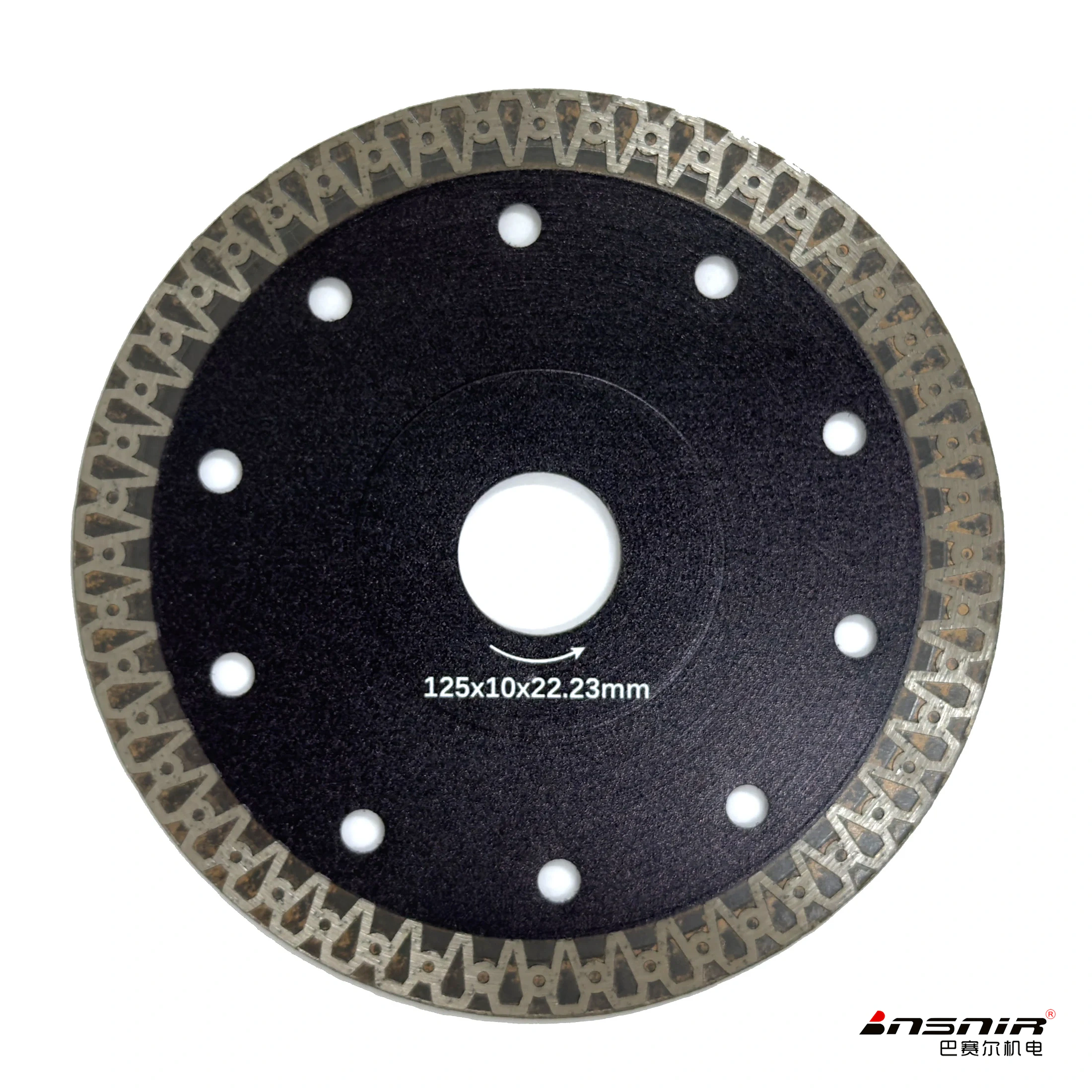
Match the blade diameter, bore and rated speed to the spindle, material and required cut.
View details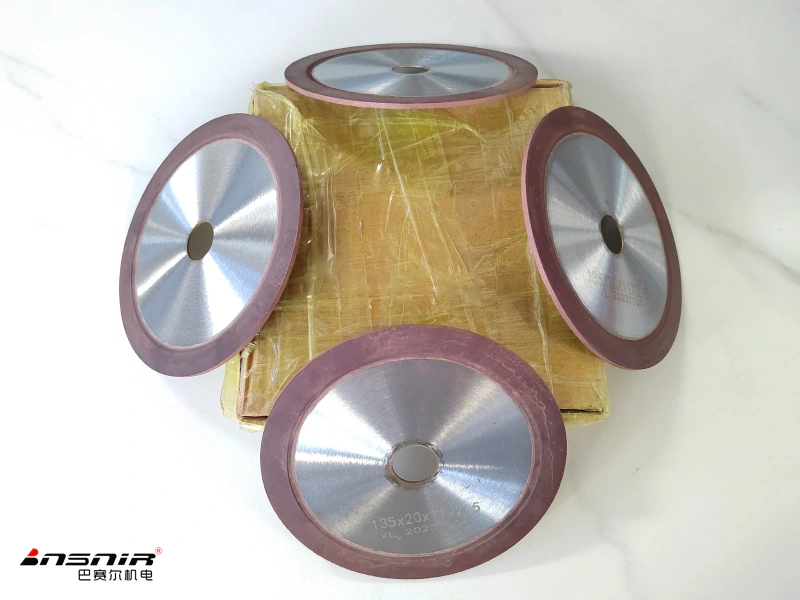
Choose each disc for its station, whether it pre-cuts, corrects the edge or cuts through the tile.
View details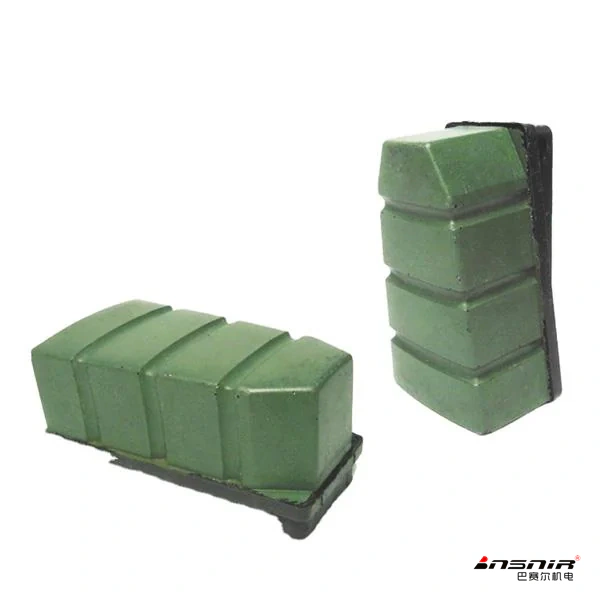
Start with the required stock removal, thickness and flatness before choosing rollers or grinding tools.
View details
Select a wheel using the material, removal duty and mounting interface at the actual station.
View details
Separate size correction from small edge chamfers so each wheel is matched to the result it must produce.
View details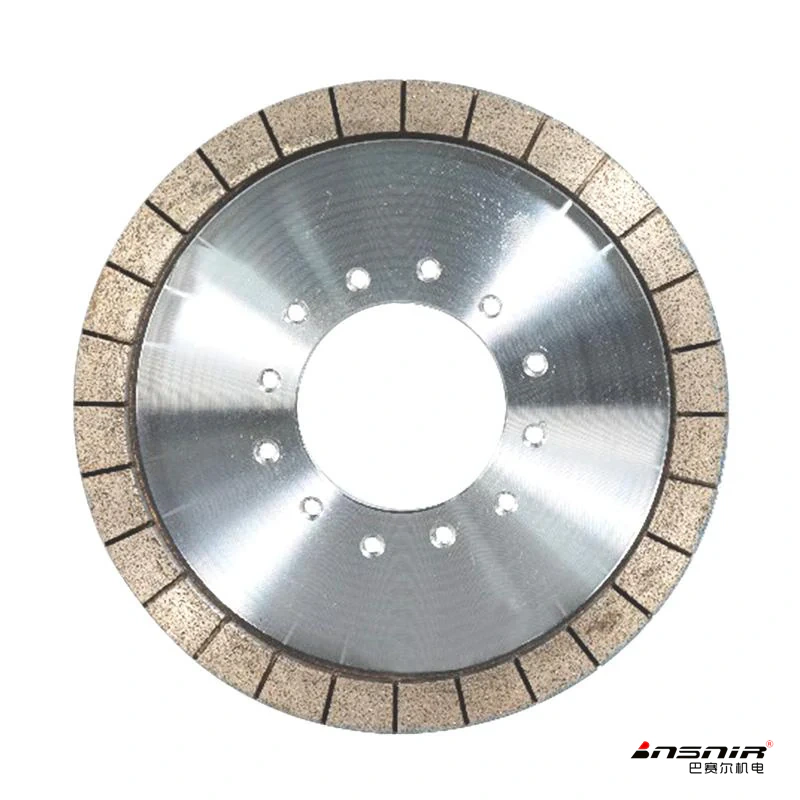
Match the squaring wheel to the tile edge, wet or dry line, spindle and mounting dimensions.
View details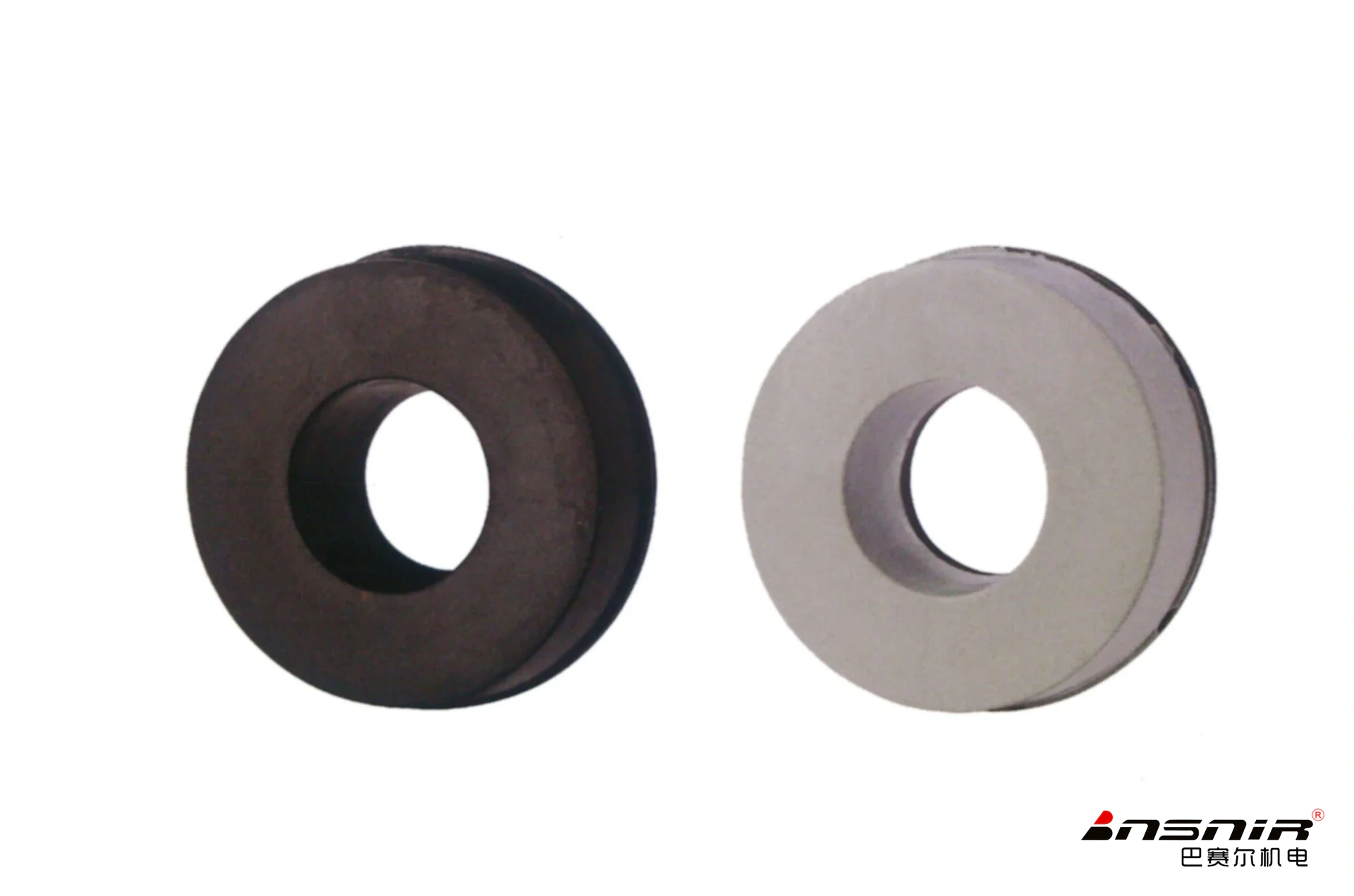
Choose a silicon carbide or diamond wheel for the small bevel, remaining material and edge finish at that station.
View details
Lappato tool example
Compare abrasives, brushes and treatment consumables by the surface effect and the step where each is used.
View details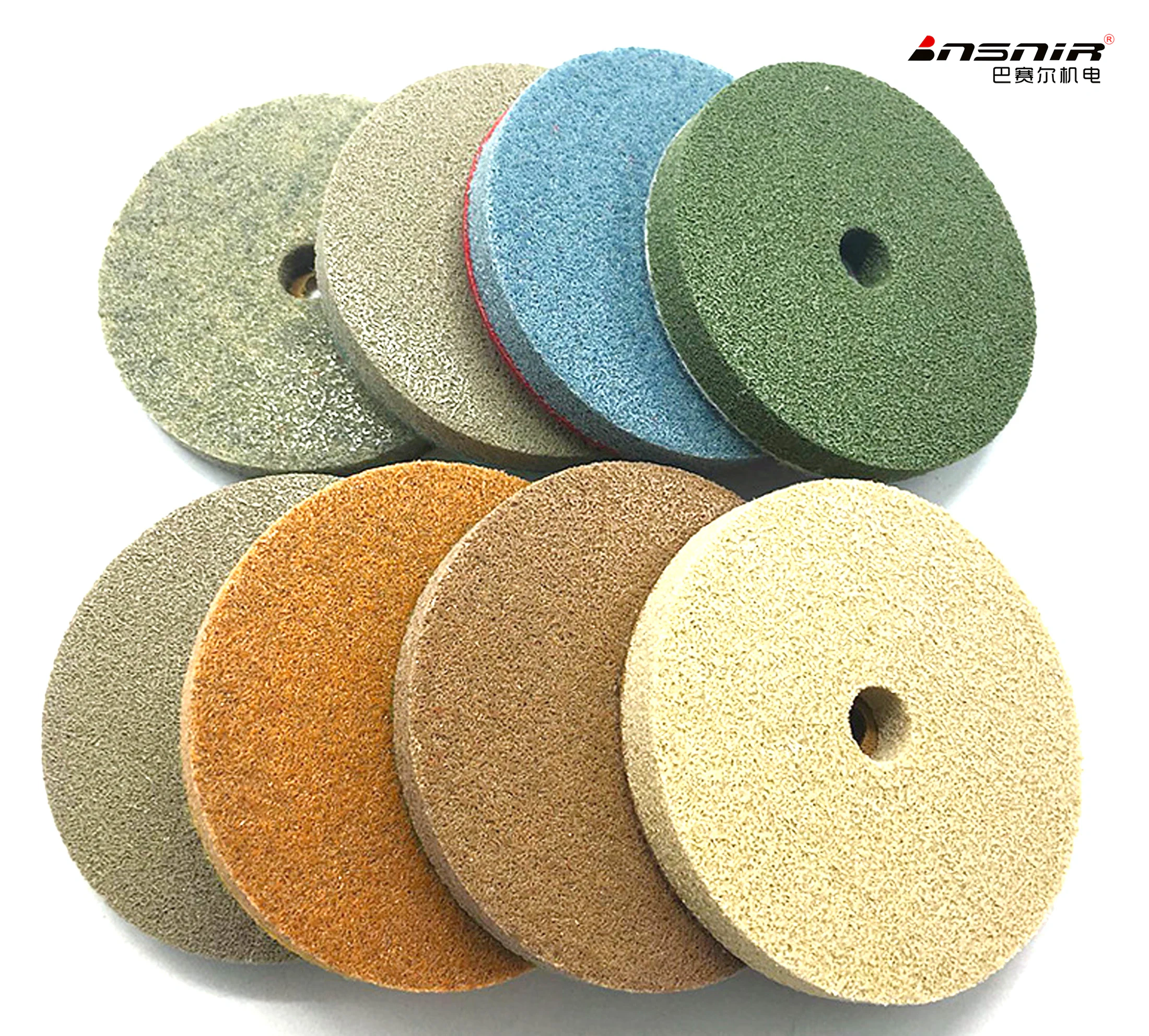
Match the pad and holder to the surface duty, whether polishing, conditioning or applying a treatment.
View details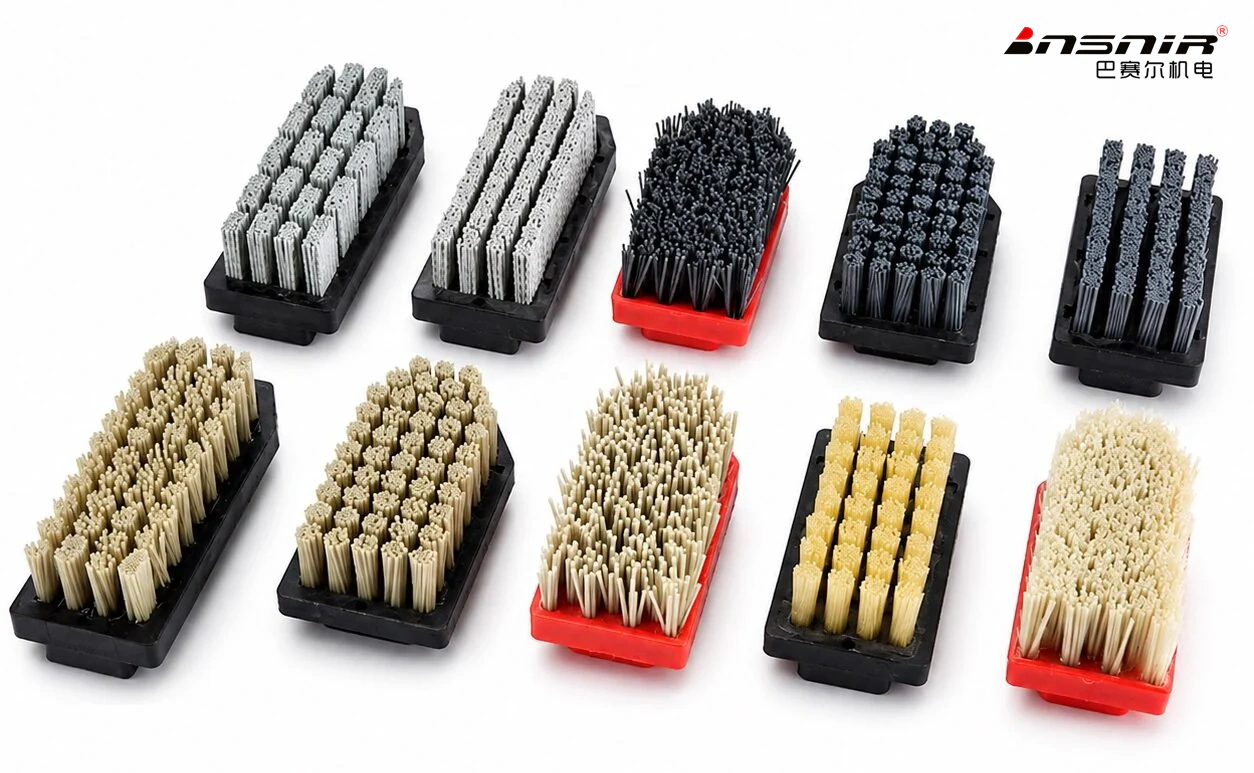
Select an abrasive brush by the substrate, holder and texture required after brushing.
View details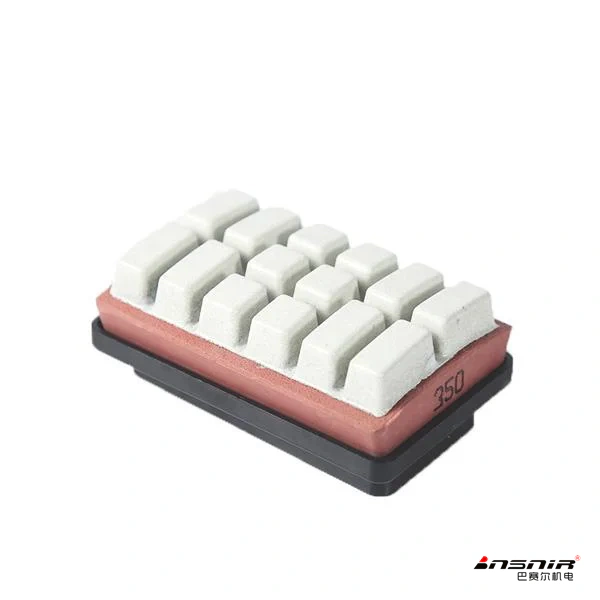
Match the elastic finishing block to the glazed tile, line holder and agreed surface result.
View details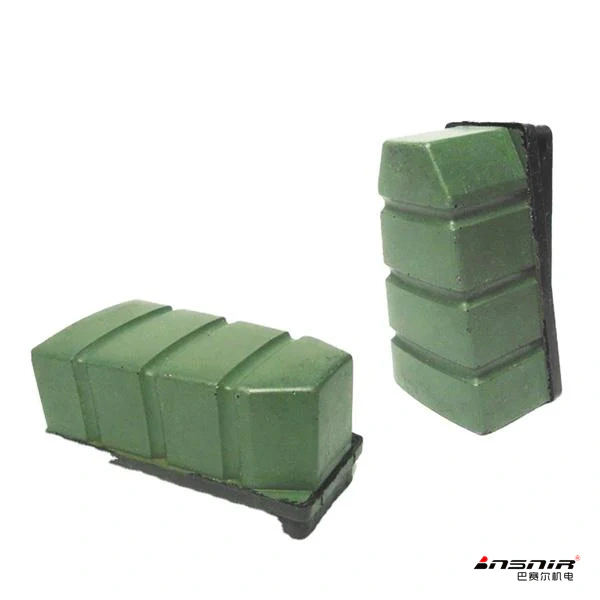
Choose the metal or resin bond and block shape for the holder and its place in the grinding sequence.
View details
Select magnesite blocks for the stone, polishing head and stage in the grinding sequence.
View details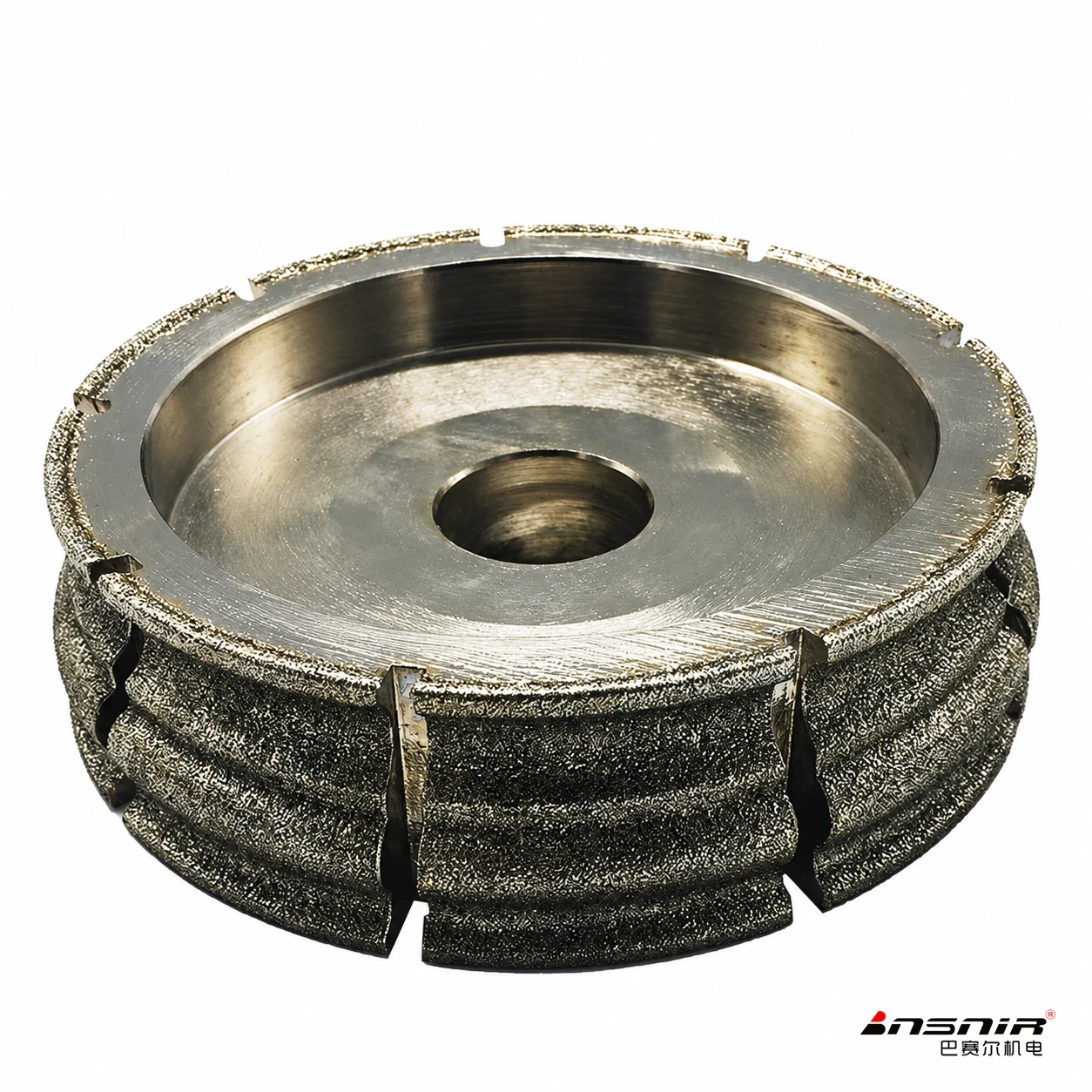
Use a dimensioned stone profile to select the wheels for forming, fine grinding and polishing.
View details
Match the wheel to the existing slot section and the finish needed after the first cut.
View details
Cutting-tool example
Match a tool or replacement part using the material, machine interface and required result.
View details
Review diamond grinding wheels from the actual material, removal task, wheel dimensions and machine interface before confirming bond, grade and permitted use.

Match stone profile grinding and polishing wheels to the edge drawing, machine interface and station duty, with material samples and a confirmed tooling sequence.

Match cutting blades, polishing tools, chamfering wheels, heads and belts to the actual material, machine interface and finished result, using part dimensions, operating conditions and current failure evidence.
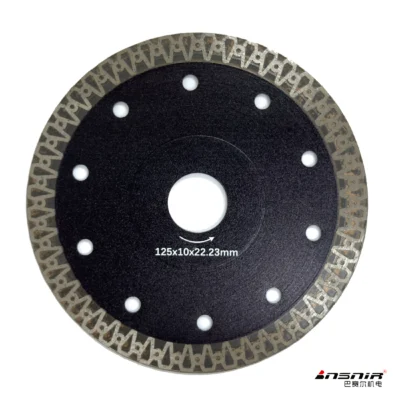
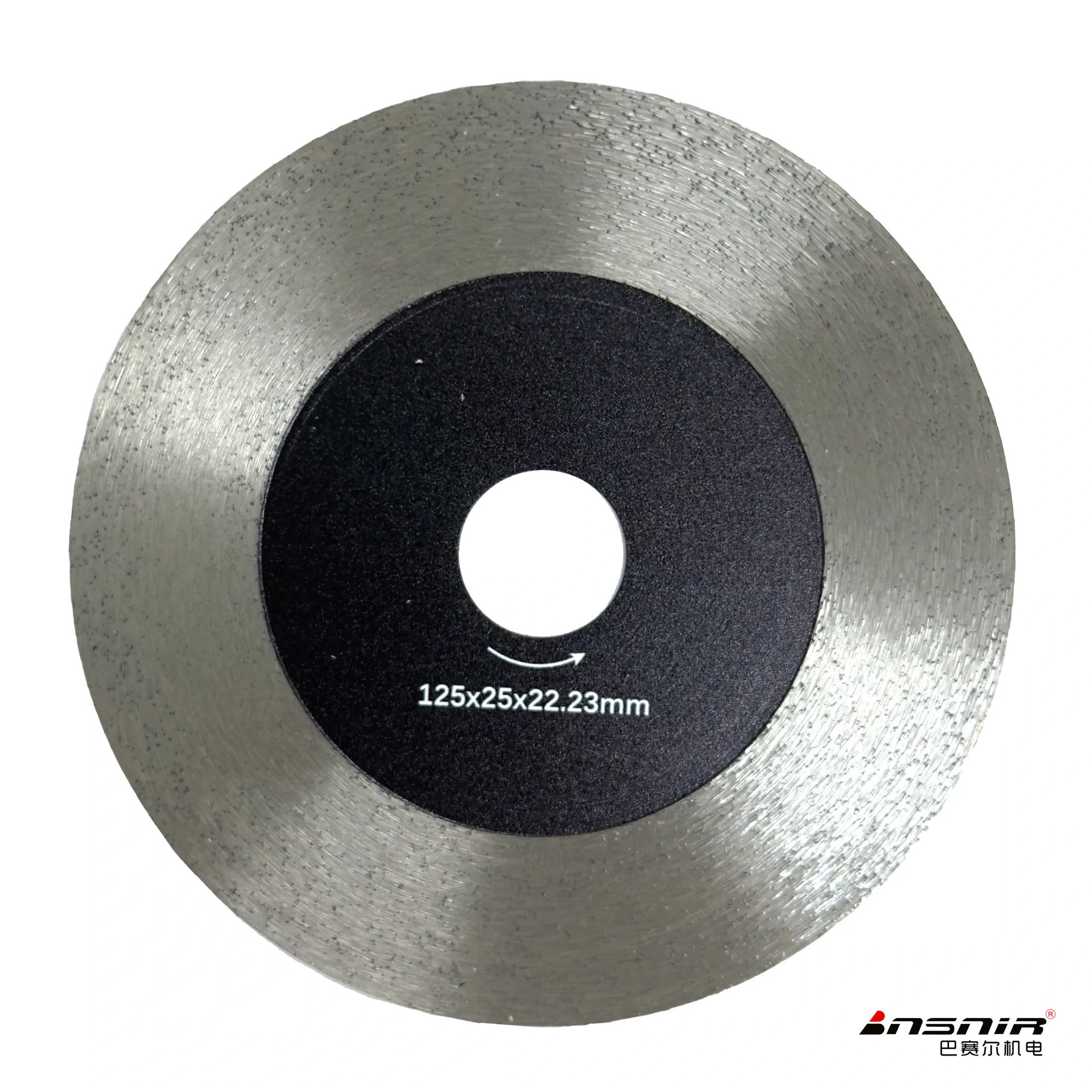
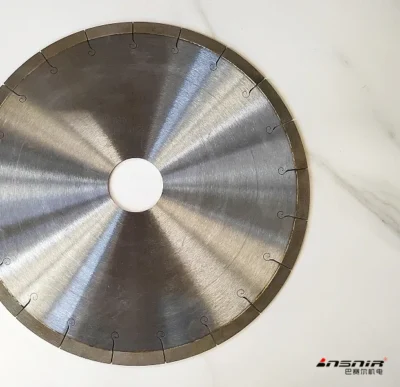
Match the blade to the spindle, the tile and the cut. Compare two rim profiles below. Match a blade to my spindle Patterned working rim The photograph makes the rim, center bore, secondary holes and

Polishing and buffing pads are selected by what must happen at one defined station: mechanical grinding/refinement, controlled surface conditioning, treatment application or final buffing. Diamond, PVC, fibre/nylon, wool and sponge pads are different working materials

Fickert abrasive brushes and soft-finishing blocks must be selected as four separate working families: silicon-carbide brushes, diamond brushes, rubber abrasive brushes and fibre grinding blocks. A shared rectangular outline does not make their working media,
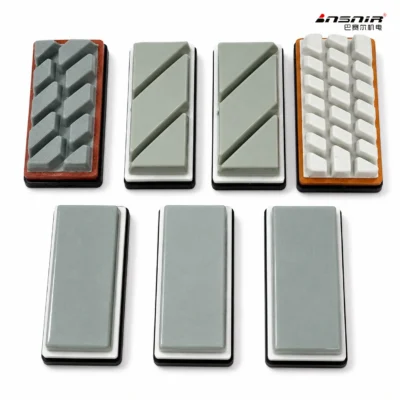
Elastic Lappato abrasives are long-block finishing tools for compatible glazed ceramic-tile polishing lines. Their job is to develop the agreed surface after earlier preparation and rough/intermediate grinding; they are not calibrating tools, heavy-removal Fickerts, texture
Pre-cut, edge-correction or chamfering, half-cut and full-cut positions are different jobs. A three-position machine does not automatically use one standard sequence or one interchangeable disc family. BASAIR first identifies the host machine and the duty
Slot grinding and polishing wheels work after a groove has been opened. They reshape the groove section, remove the marks left by the first cutting tool and refine the groove surface. They are not the

Configure magnesite Fickert abrasives around the stone, machine position and wet process Magnesite-bond Fickert abrasives are selected as part of a stone grinding process, not by grit number alone. The useful starting point is the

Select a diamond Fickert by the polishing head, holder length and its position in the grinding sequence—not by block colour or a generic grit chart. BASAIR can configure metal- and resin-bond Fickert abrasives for rough
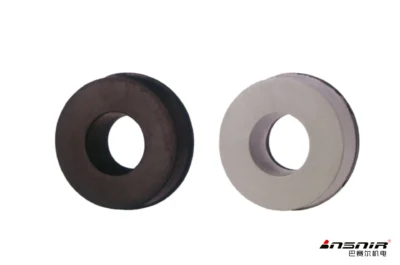
Silicon carbide and diamond chamfering wheels are matched to the bevel station, the amount of correction still required and the edge condition that must leave that station. The abrasive name alone does not decide the
Cutting and grooving tools include saw blades for separating material, grooving discs for forming a specified slot, wheels that grind or polish the slot after cutting, and chamfer-cutting discs used in a defined multi-stage edge
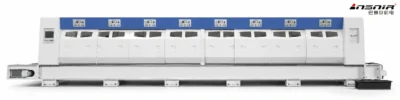
Surface-finishing tools and consumables develop texture, appearance or a confirmed end treatment after the surface has been adequately prepared. Elastic lappato abrasives, Fickert brushes, polishing/buffing pads and wax or nano-treatment consumables belong to different stages

Calibrating and grinding tools prepare tile or stone surfaces by correcting thickness, flatness or roughness before later finishing stages. Calibrating rollers, cylindrical or satellite wheels, and Fickert-form abrasives use different machine motions and mounting interfaces;

Squaring and chamfering tools are selected by the machine station and the edge result it must produce. Disc squaring wheels remove controlled material to establish tile dimensions; chamfering wheels create a small or decorative bevel;

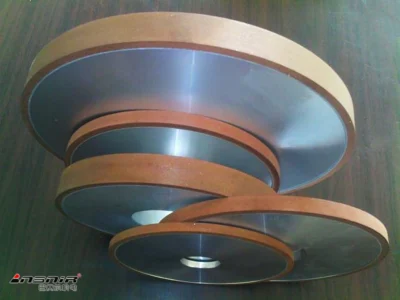
Diamond squaring wheels are production-line tools used to remove controlled material from ceramic or porcelain tile side edges during dimensional rectification. The correct wheel is selected for a specific machine position by working condition, bond, base, rim structure, grit, removal task and mounting interface—not by diameter or appearance alone.