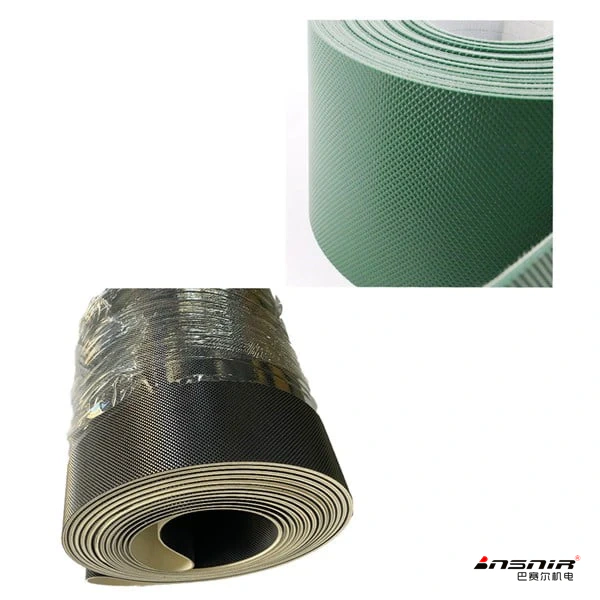
Tile Transport Belts
Match a tile transport belt by its dimensions, surface texture, joint and wet or dry operating conditions.
Ver detalhes
Find replacement parts for tile and stone processing equipment by part type or machine station.
Have your machine model, station and old part photo or dimensions ready.
Match a tile transport belt by its dimensions, surface texture, joint and wet or dry operating conditions.
Ver detalhes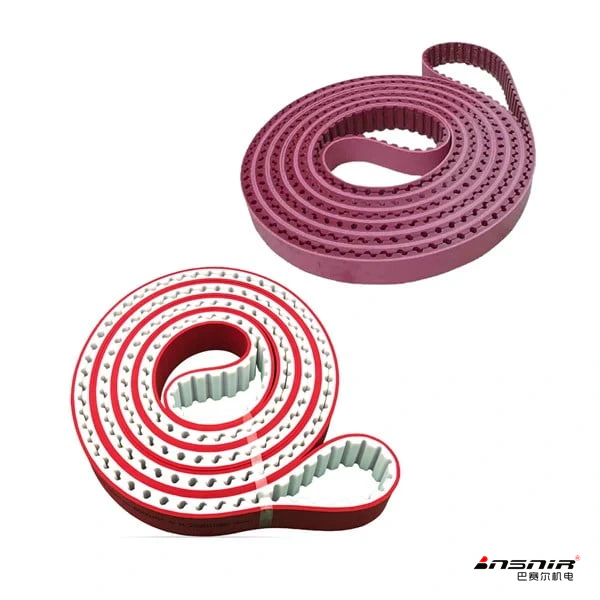
Match a closed-loop belt by its tooth pitch, tooth count, width and installed position.
Ver detalhes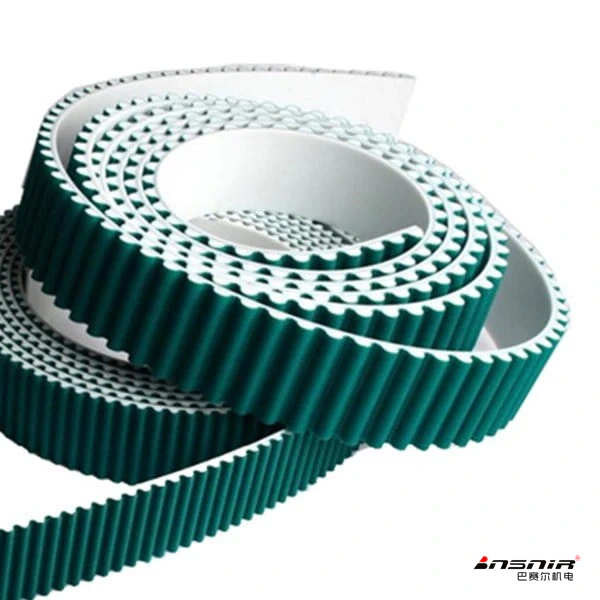
Detail photo
Check the tooth profile, installed length and fastening at both ends.
Ver detalhes
Identify belts by their function, tooth profile and joint before matching a replacement to the machine.
Ver detalhes
Assembly illustration
Decide whether you need the full drive set, one side or individual parts, then confirm the shaft and mounting interfaces.
Ver detalhes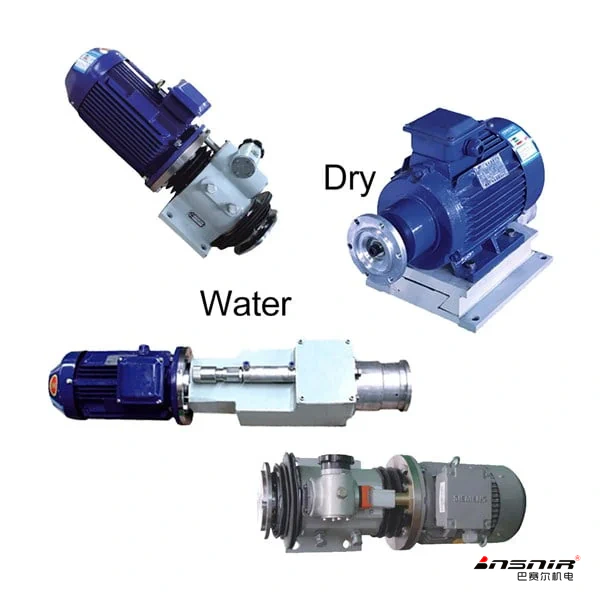
Identify a motor or polishing head by its station, nameplate, drive interface and mounting dimensions.
Ver detalhes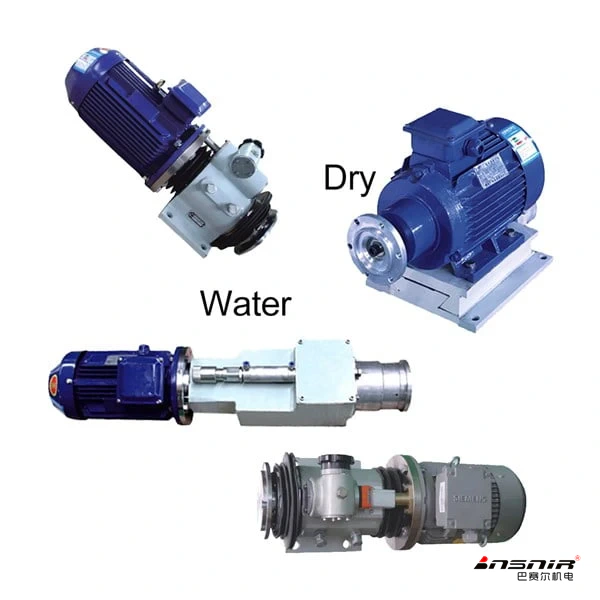
Match the motor and spindle at a specific dry or wet squaring station using its nameplate, shaft and mounting dimensions.
Ver detalhes
Confirm the station, upper or lower orientation, shaft and wheel interface before replacing a chamfering motor.
Ver detalhes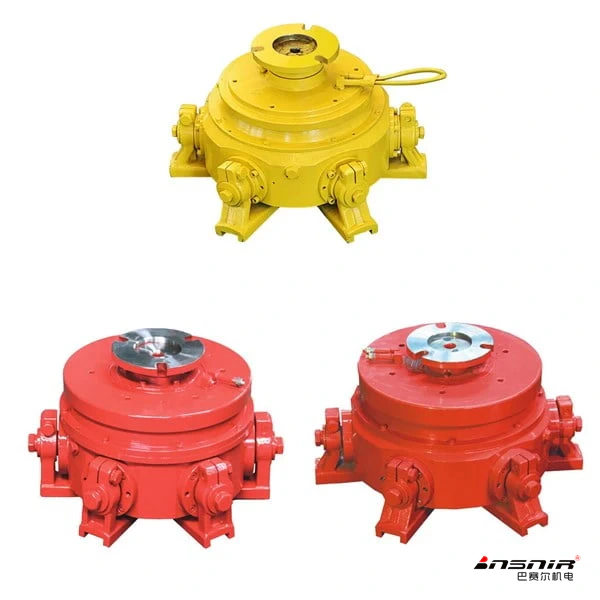
Match the polishing head by its machine station, mounting geometry, drive and tool-holder interface.
Ver detalhes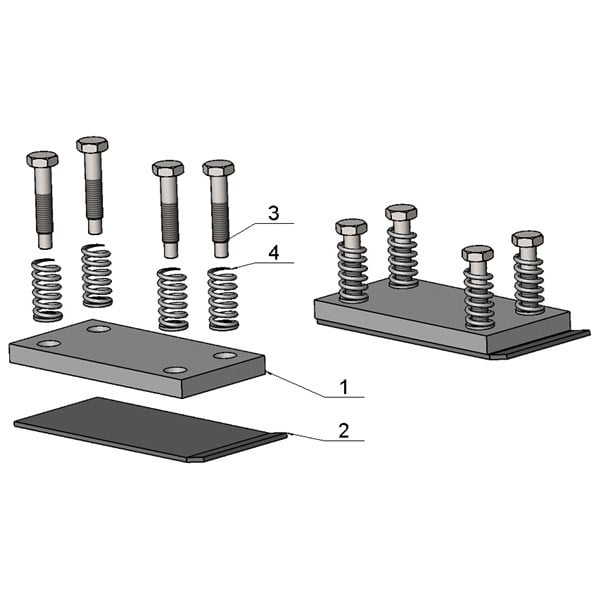
Assembly illustration
Find plates, supports and adjustment assemblies by locating the installed part and measuring its mating surfaces.
Ver detalhes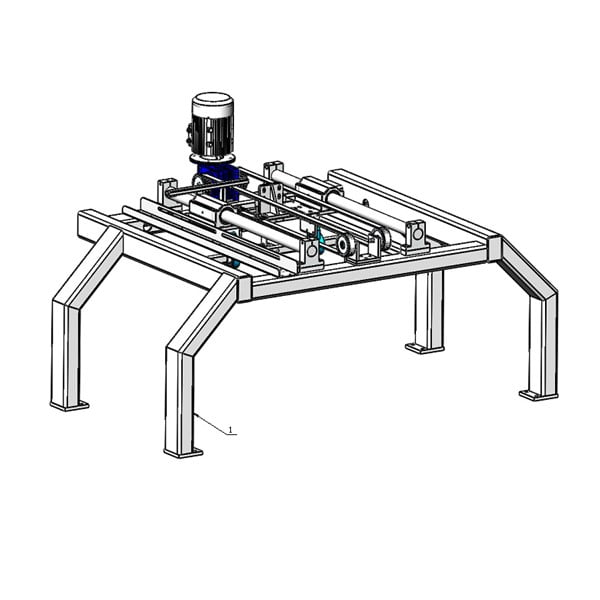
Line-position illustration
Identify a tile pushing assembly by its line position, motion, stroke and the way it transfers the tile.
Ver detalhes
Assembly illustration
Record which side drives or follows the width change, then check the screw and each mounting interface.
Ver detalhes
Assembly illustration
Check how the existing block contacts the pressure beam and fits the track or guide before selecting a replacement.
Ver detalhes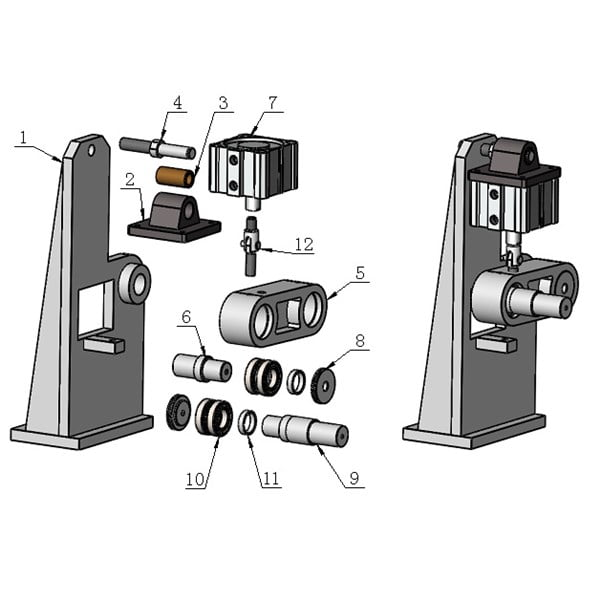
Assembly illustration
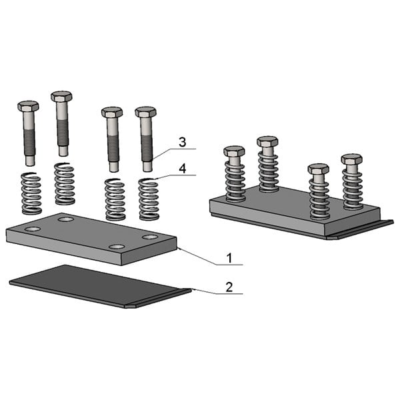
Match the support plate by its installed position, hole pattern and mounting surfaces.
Ver detalhes
Identify saw spacers by their blade-stack dimensions and waterjet parts by the pump, pressure circuit and cutting head.
Ver detalhes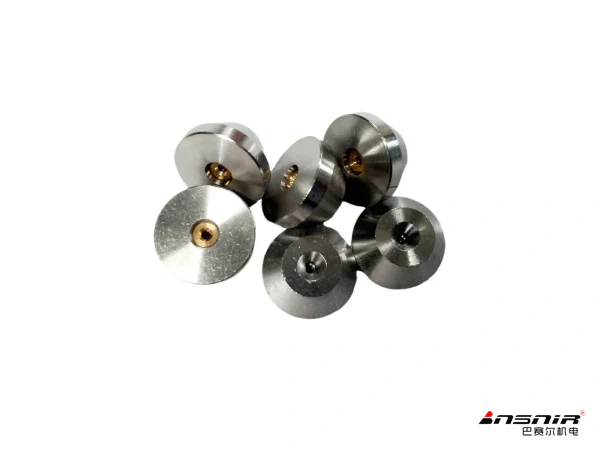
Confirm the pump and head before matching mixing tubes, jewels, nozzles or other high-pressure consumables.
Ver detalhesStart with the finish, cut or handling result you need. Use the solution cards to identify the stages and interfaces to review for your line.
Bring the target product, the current line layout and the step you need to improve.
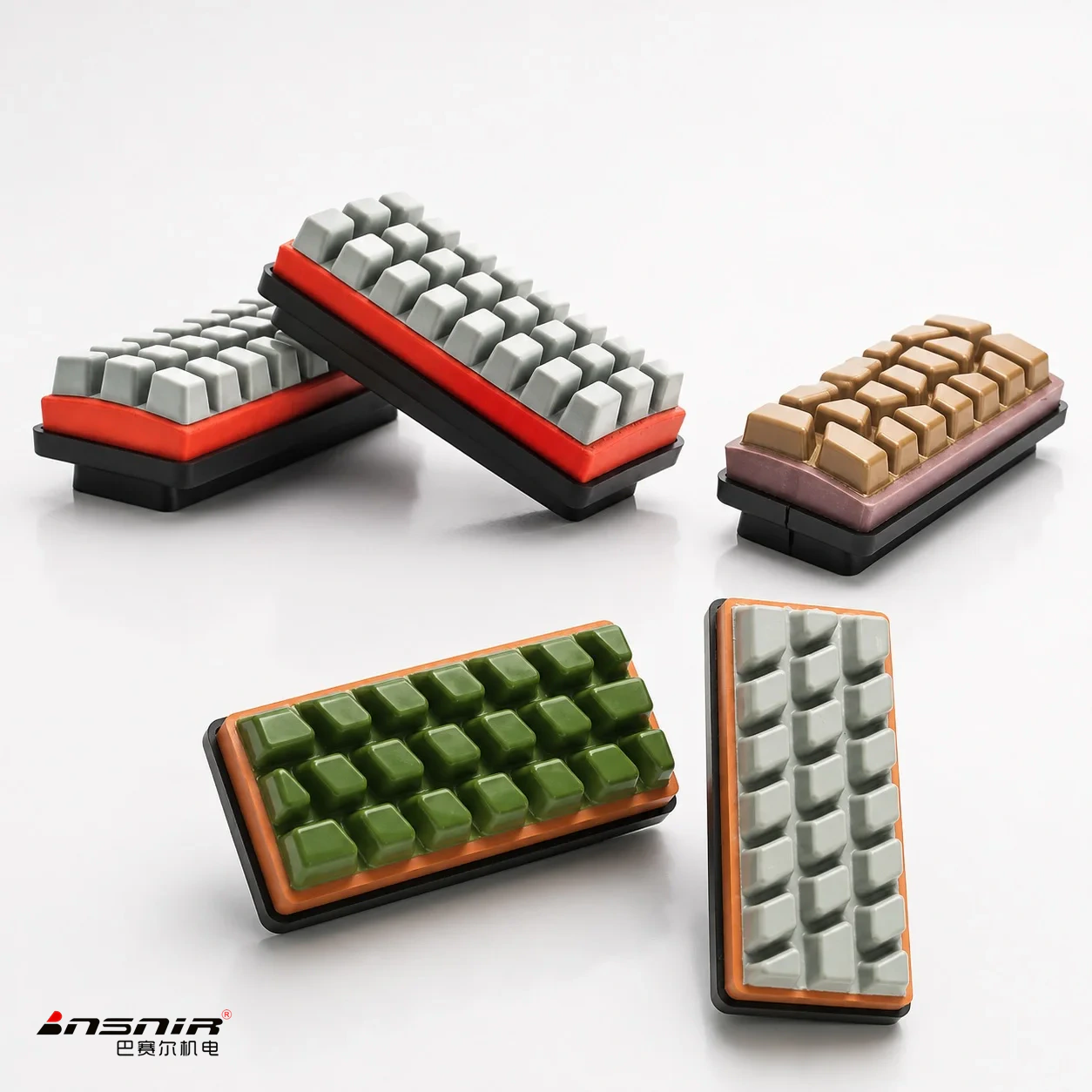
Plan the stations needed to turn fired tiles into the required size, edge and surface finish.
Ver detalhes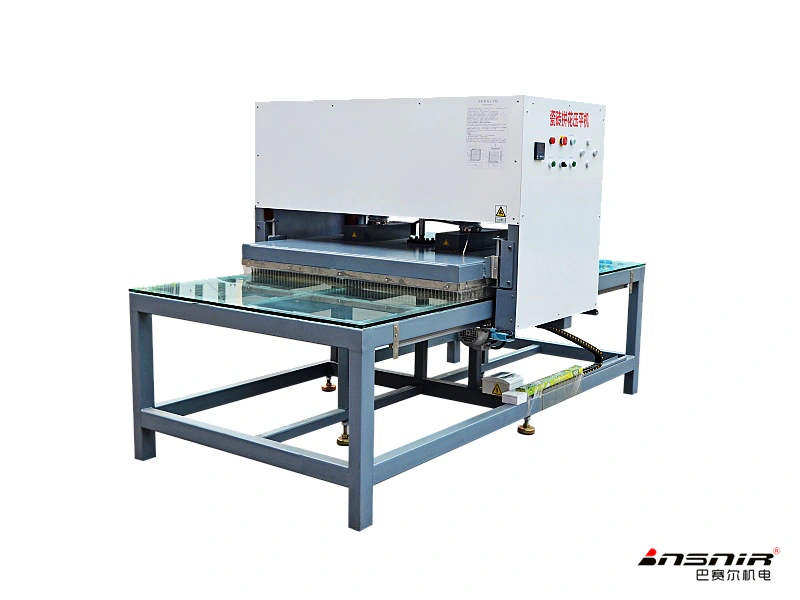
Work from the finished piece to select cut-to-size, edge finishing, grooving or inlay stations.
Ver detalhes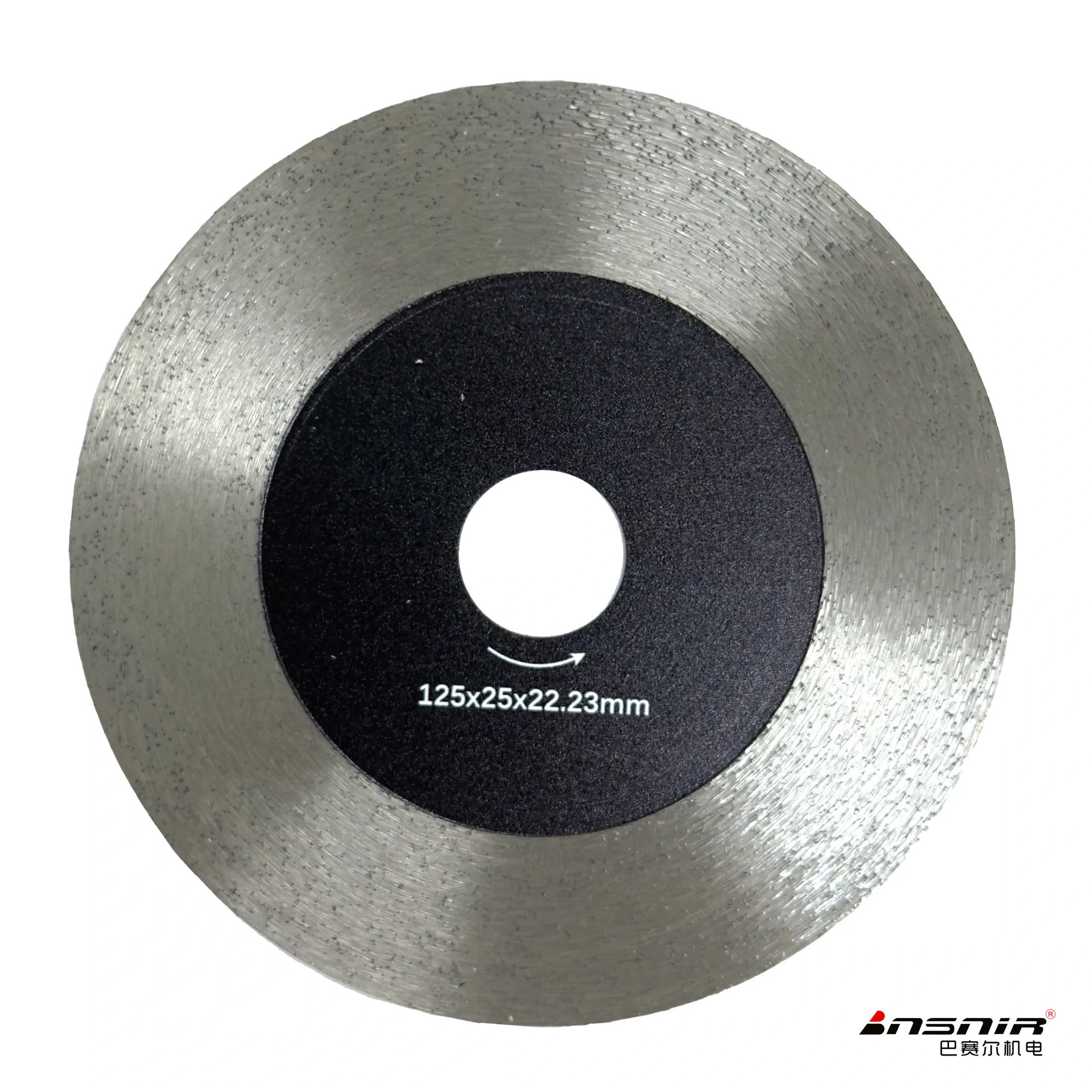
Define each saleable width, edge finish and transfer step before choosing a strip or mosaic cutting route.
Ver detalhes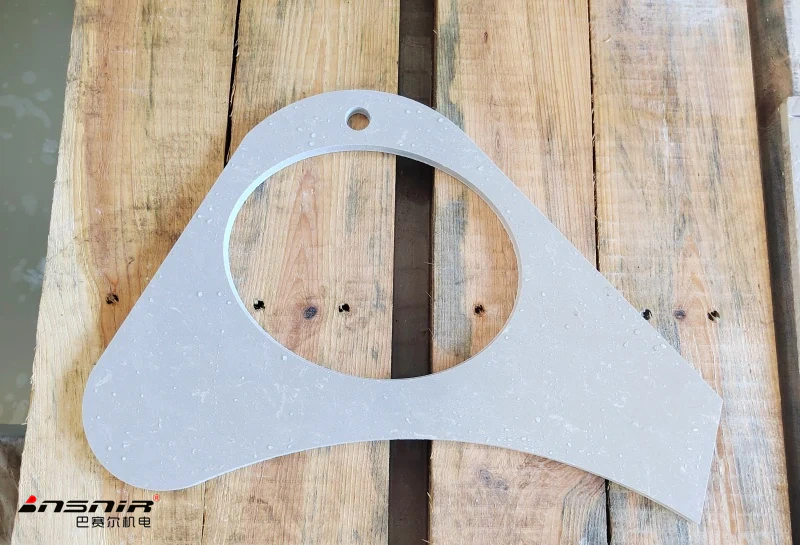
Use the installed countertop drawing to identify straight cuts, shaped edges, miters and openings.
Ver detalhes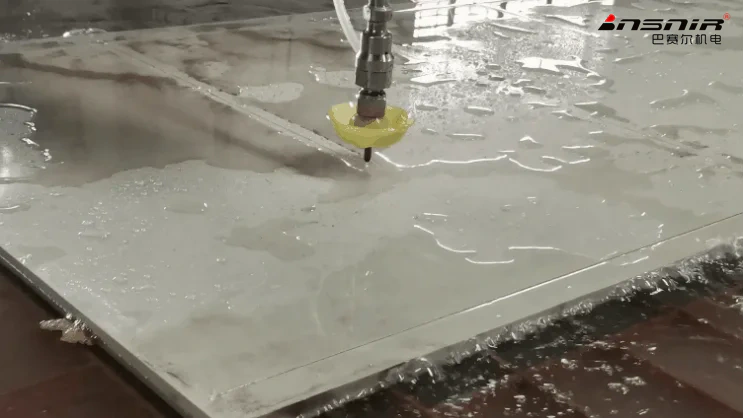
Plan slab handling, cutting and edge preparation from the material and finished part drawing.
Ver detalhes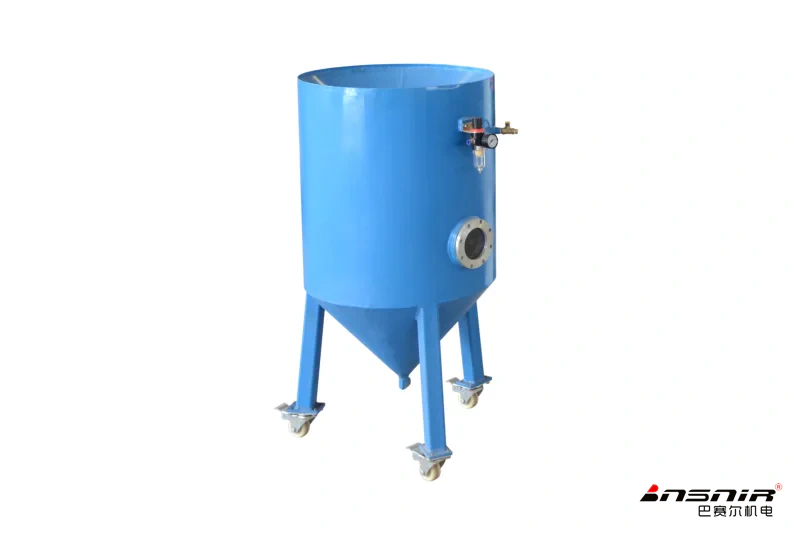
Match the cutting head, high-pressure supply and abrasive feed to the material and cut, then confirm the site interfaces.
Ver detalhes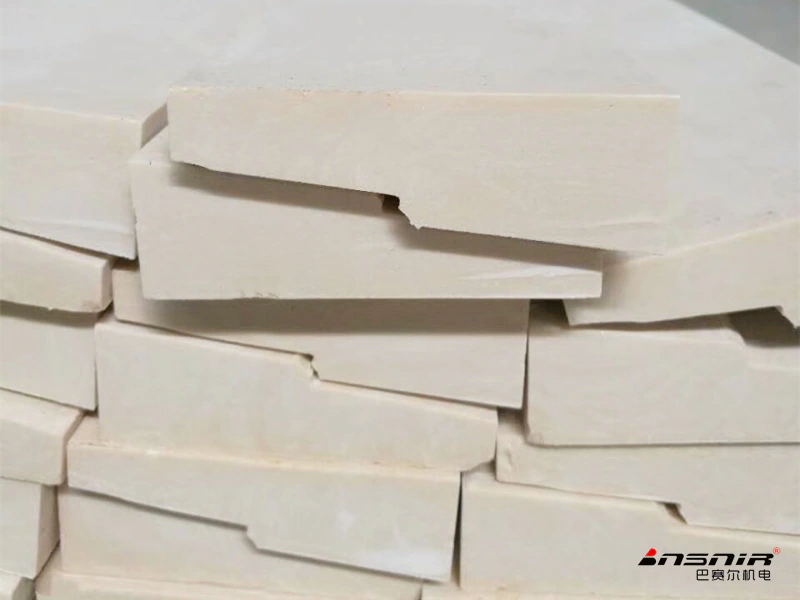
Lay out splitting, calibration, shaping and polishing around the surfaces that each step needs to finish.
Ver detalhes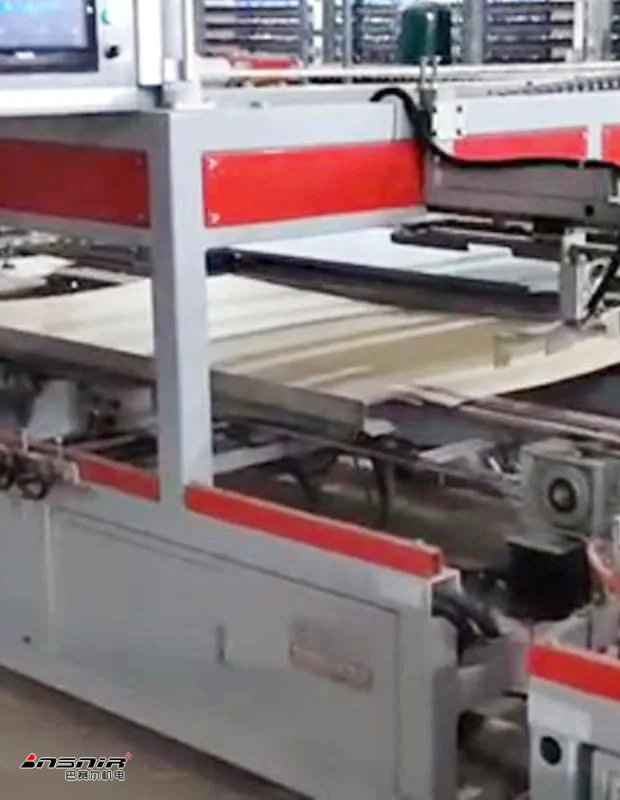
Transfer-station reference
Plan how tiles or slabs enter the line, receive protection and transfer as finished packs.
Ver detalhes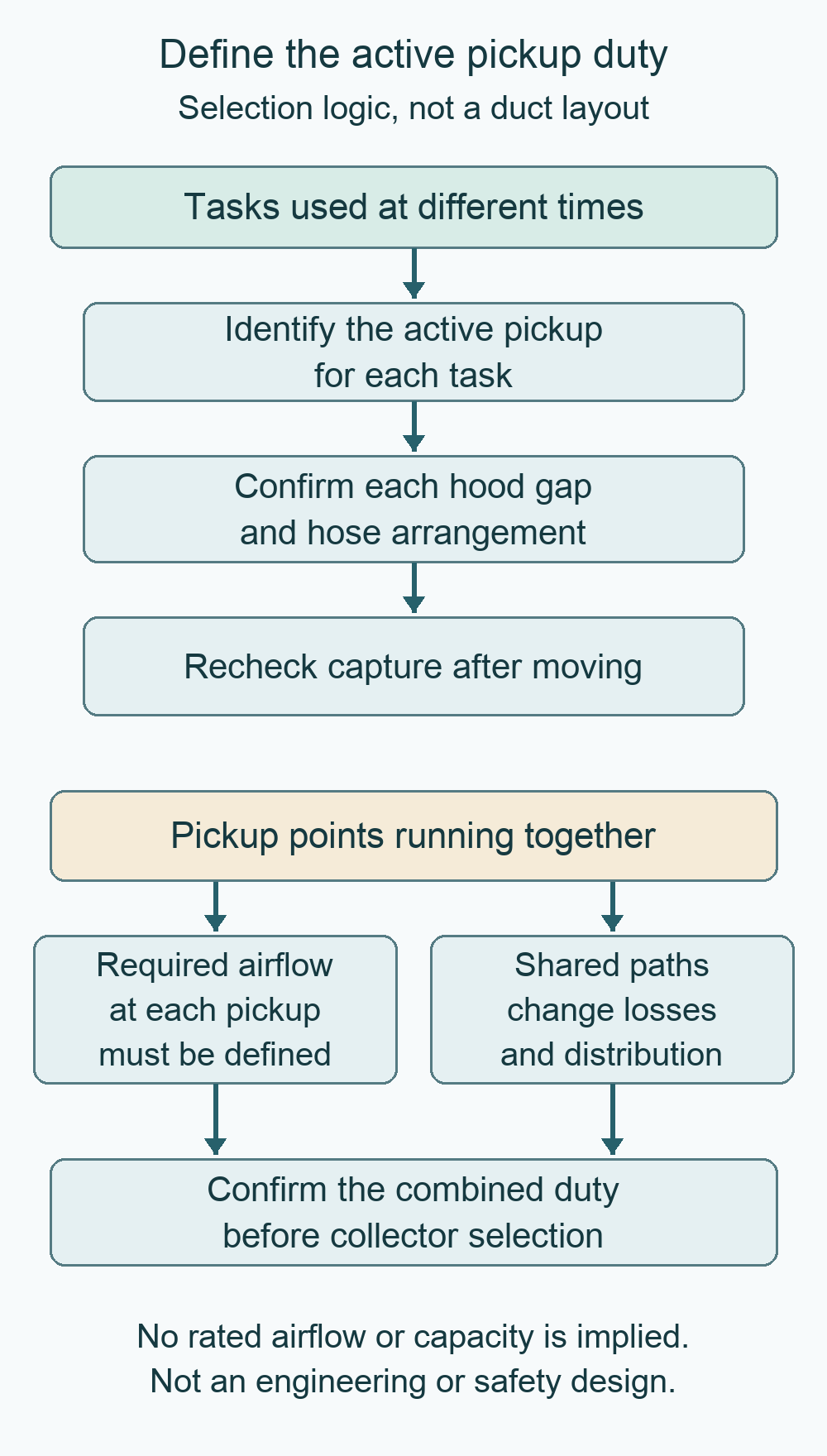
Process diagram
Specify the dust-producing stations and which run together before reviewing pickup, filtration and collection.
Ver detalhes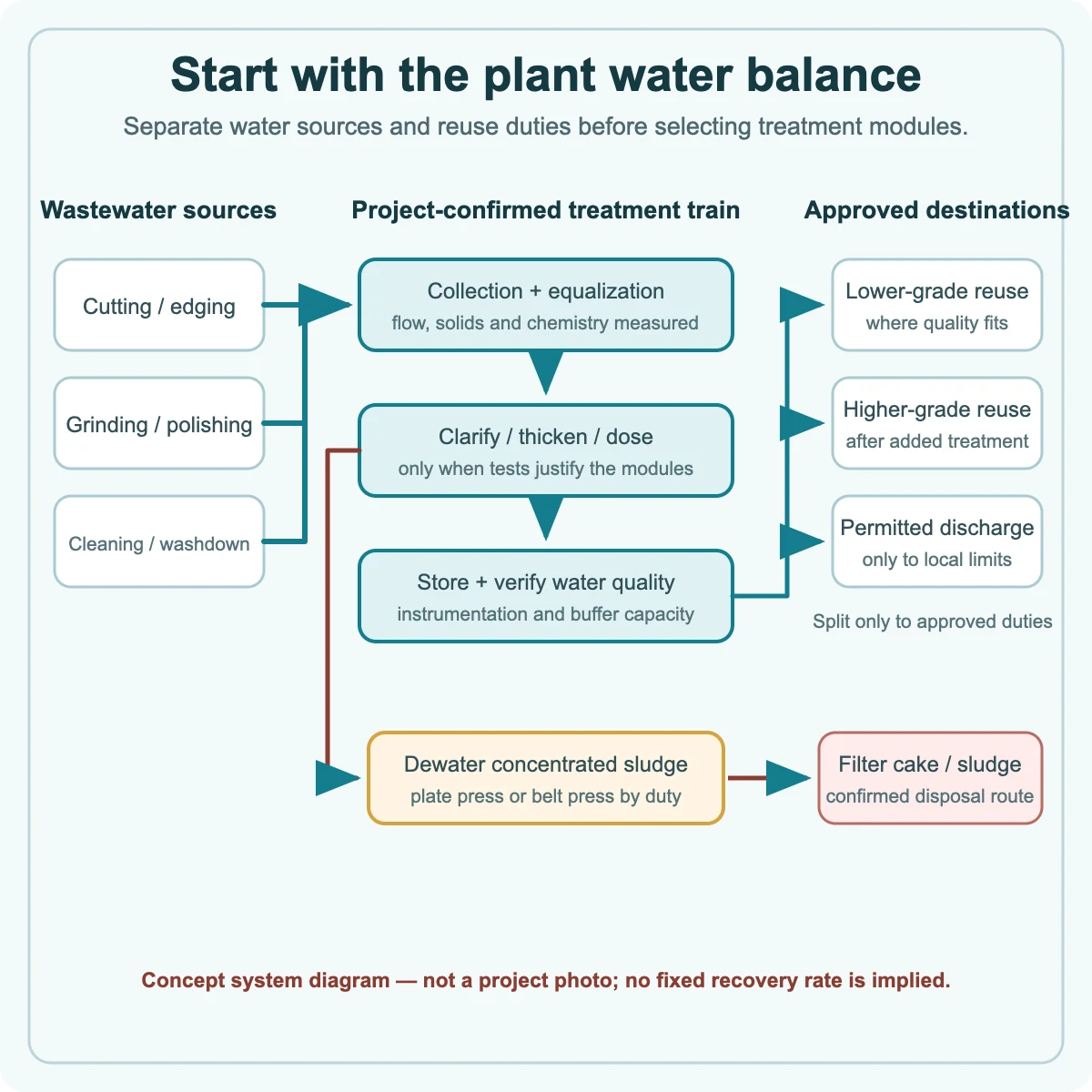
Process diagram
Map wastewater sources, solids and reuse needs to define the water treatment and slurry handling steps.
Ver detalhes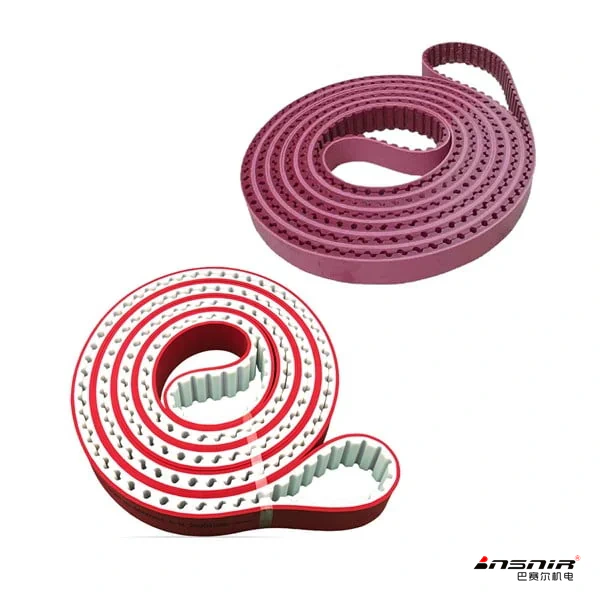
Identify the machine position and the component that needs replacing before checking fit and operating conditions.
Ver detalhesWaterjet consumable parts must be identified against the exact pump, pressure circuit and cutting-head assembly before a replacement can be approved. A familiar name such as jewel, orifice, mixing tube, nozzle, seal or accumulator does

Tile pushing assemblies must be identified by the task they perform and the motion they complete at a specific line position. A useful inquiry records infeed/outfeed direction, start and end positions, stroke, cycle timing, drive

Pressure beam support blocks should be identified from their installed relationship to the pressure beam, contact surface and any guide or track—not from the words “track” or “no-track” alone. A replacement inquiry needs the existing

Main drive kits must be scoped before they can be matched. First state whether the request is for a complete powered-and-driven transmission set, one side of a paired arrangement, or selected existing components. Then document
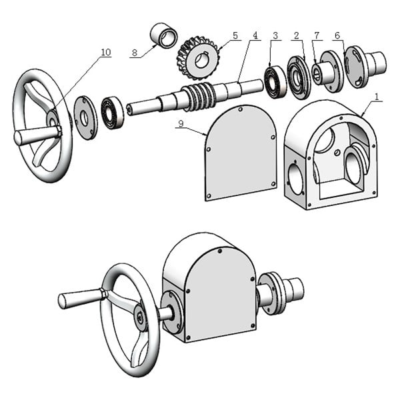
Width-adjustment bases must be identified by their actual role on the machine, not by the appearance of an isolated housing. For a paired arrangement, record each side separately: side reference, active or passive function, drive
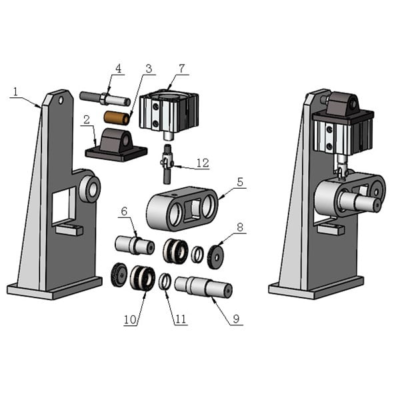
Machine support plates should be matched from the installed position, measured interfaces and the exact item being replaced—not from a similar outline. BASAIR can review a support-plate request once the buyer identifies the machine, states

Squaring motors must be identified as complete motor/spindle assemblies at a specific dry or wet squaring position. Replacement fit depends on the actual nameplate, electrical supply, shaft and wheel interface, base/flange geometry, center height, cable

Polishing line heads are complete working assemblies whose replacement identity depends on the host machine, exact head station, supply boundary, casting/markings, mounting geometry, input drive, motion, lubrication/water interfaces and tool holders. Identify a polishing head

Chamfering motors must be identified as an installed motor/spindle assembly at a specific chamfering station. A legacy model string or a matching electrical rating alone cannot determine the shaft, mount, orientation, wheel interface or safe

Tile transport belts carry tile or a support fixture through surface contact. A replacement must be identified from the complete belt geometry, joint, top and bottom surfaces, drum/support arrangement, tracking method and real wet or

Open-ended timing belts are toothed strips whose two ends are fixed, clamped or otherwise terminated in a mechanism. Replacement identification requires more than the length of the removed strip: the tooth interface, effective installed length,
Identify a closed-loop toothed belt from its tooth profile, pitch, tooth count and width. Send my timing-belt measurements The source image identifies the synchronous-belt product family and visible toothed structure; it does not establish loop

Cutting and waterjet parts belong to two different identification systems. Saw-blade spacers are mechanical stack components whose dimensions determine blade positions and finished strip widths. Waterjet consumables belong to a specific high-pressure pump and cutting
Tile line mechanical parts are replacement plates, alignment mechanisms, width-adjustment bases, drive kits, pressure-beam supports and tile-pushing assemblies used at identified positions on ceramic tile processing lines. This page is a selection entry point: it

Motors and polishing heads are replacement assemblies whose fit depends on both electrical/mechanical data and their exact machine location. Chamfering motors, squaring motors and polishing-line heads perform different work and can use different shafts, bases,

Belts and conveyor parts must be identified by function and measured interface. Endless timing belts, open-ended timing belts and tile transport belts can all appear as long flexible components, but their tooth profile, joint, tensioning,