
Dry tile processing and dust control is a project-configured path that connects each dust-generating operation to source capture, ducts, optional pre-separation, final filtration, collected-dust handling and the site’s hazard review. It is not a collector model or a fixed package. The buyer’s first decision is whether the process should be dry at all; if it is, every active source and operating case must be defined before the hood, airflow/pressure duty, collector and safety boundary can be selected.
BASAIR can coordinate the machine and dust-system interfaces, but final values and protection measures depend on representative material data, the complete installed route, responsible engineering parties and local requirements. Start from the Soluciones overview when comparing this route with other factory systems.
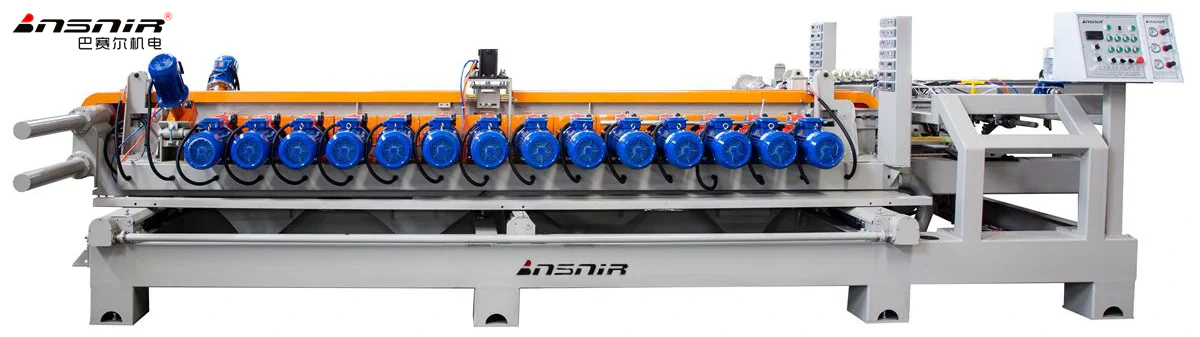
Choose the process boundary before choosing the collector
List every dry cutting, squaring, grinding, transfer and cleanup activity. For each source, record the material, tool action, enclosure, release direction, operator position, cross-drafts, operating time and whether it runs simultaneously with other sources. A collector selected from factory area or machine motor power cannot establish what airflow will be available at the hood.
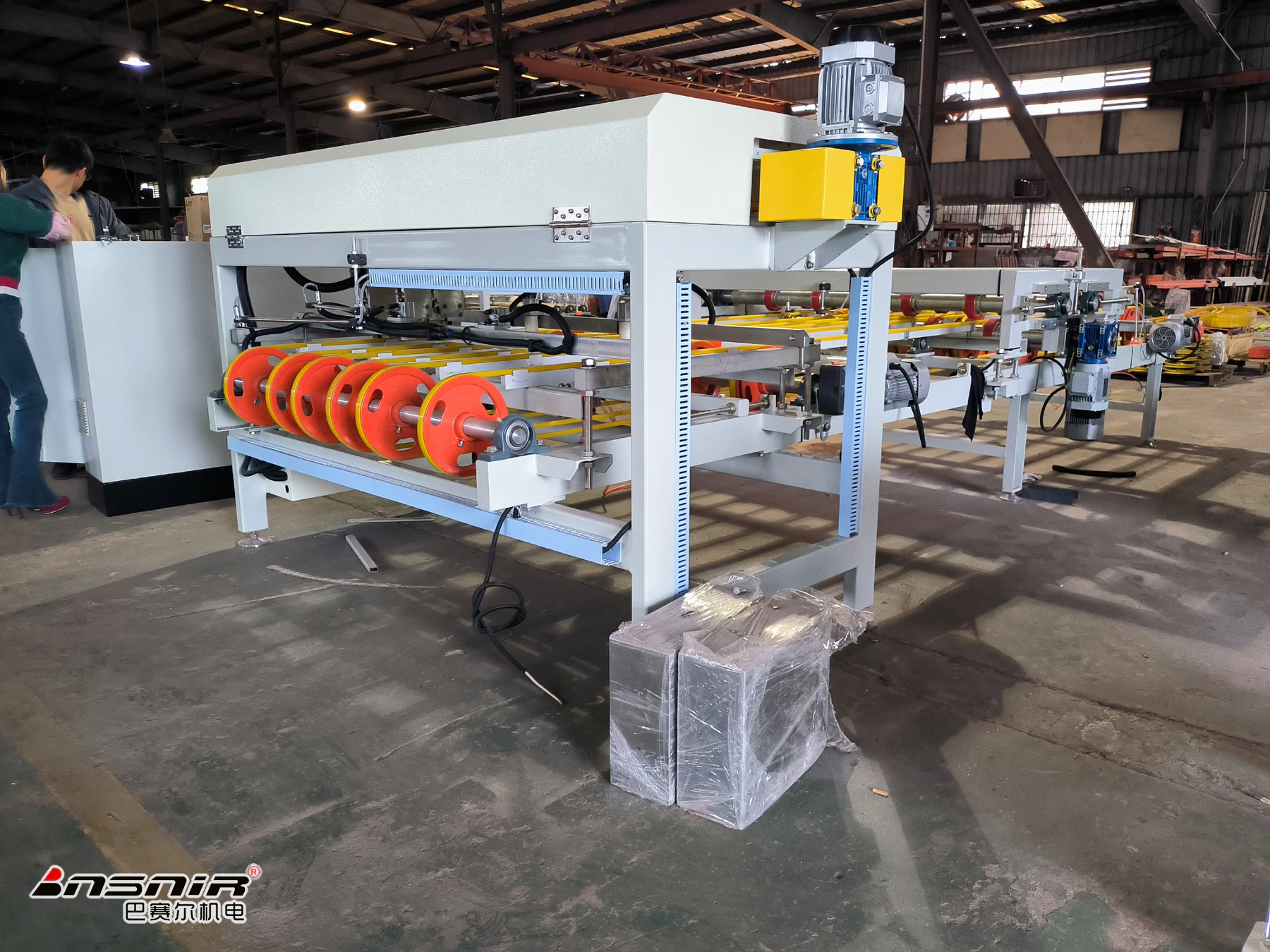
The dry scoring and controlled-splitting route can be evaluated for a project, but the actual machine and supply boundary have not been confirmed as a BASAIR standard product, so no product link is provided. It is therefore not linked or presented as an available standard product here. If the project includes that route, first confirm the actual machine and supply boundary, and distinguish score-and-split action from saw cutting. Its source points, fragments, product range and safety interfaces must then be added to the dust schedule.
| Punto de decisión | Proceso de evaluación | Inputs that decide it | Límite |
|---|---|---|---|
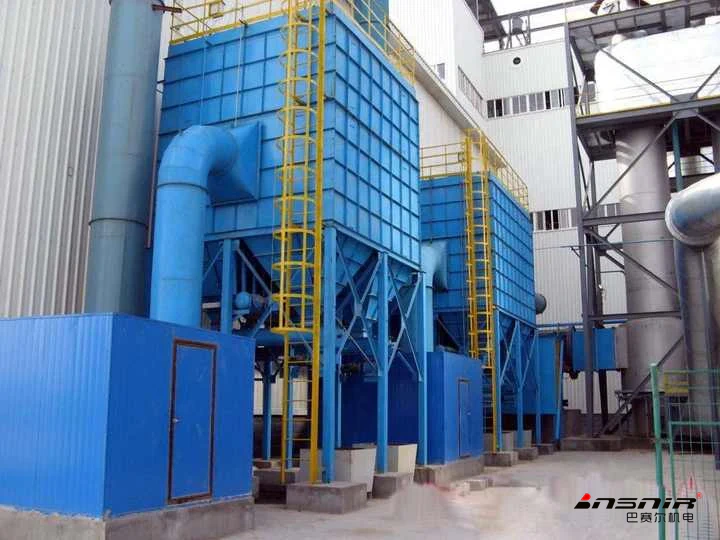
| One fixed line with several simultaneous source points | Central baghouse system | Hoods, branch schedule, simultaneous use, full resistance, dust loading, media/cleaning and discharge route | A baghouse is one part of the path; it does not correct poor capture or an undefined dust outlet |
| Suitable coarse loading should be removed before final filtration | Cyclone pre-separator | Particle distribution, loading, density, moisture, temperature, abrasiveness, pressure loss and downstream filter | A cyclone is not assumed to be a universal final filter or emissions solution |
| One workstation or a few changing pickup points | Portable workstation collection | Active pickup count, hood and hose route, working airflow/pressure, duty cycle, utilities, cleaning and dust-container handling | A local unit does not replace a factory-wide system or prove suitability for hazardous dust |
| Dust may be combustible or the hazard is not yet resolved | Combustible-dust project evaluation | Representative dust data, process/ignition sources, enclosure, duct/collector location, return air, jurisdiction and responsible engineer | This is an engineering evaluation route, not a certified product or unconditional protection promise |
Build the path from the source to sealed dust removal
Locate the hood or enclosure close enough to the real release point while preserving tool access, product movement and maintenance. Define the capture basis under normal and disturbed operating conditions. Then route branches with stated lengths, diameters, bends, dampers, wear concerns and cleanout access. Fan duty is selected after the resistance of the hoods, ducts, pre-separator, filters and clean-air path has been calculated together.
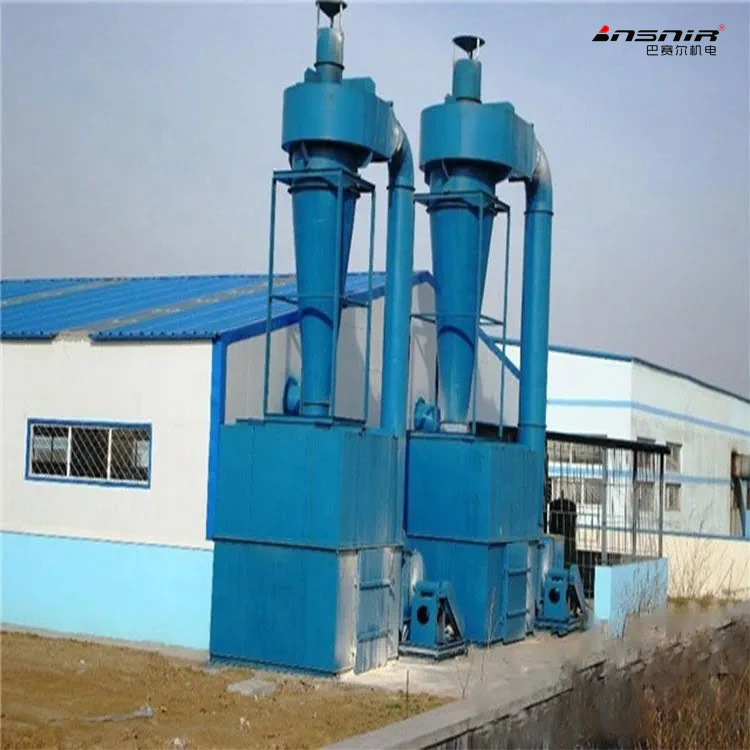
Where the dust supports it, a cyclone can reduce suitable coarse loading before the final filter. The cone discharge must remain sealed and free-flowing, with a defined receiver and container-change method. Fine airborne dust, the required downstream air condition and any return-air decision still need separate review.


Match filtration, cleaning and discharge to the actual dust
Provide particle information where available, bulk density, moisture, temperature, abrasiveness, chemistry or contamination concerns, expected loading and representative safety data. The selected filter medium, arrangement and cleaning method must be confirmed against that duty. Ask how filter condition is monitored, whether cleaning interrupts collection, what utilities it needs and how replacement elements are identified.
Collected dust remains part of the system. Define hopper or bag isolation, rotary valve or other discharge interface, sealed container, level monitoring, lifting/handling, change frequency, spill control and the approved reuse or disposal route. The design should minimize secondary release during cleaning and container change; no zero-emission result is stated.
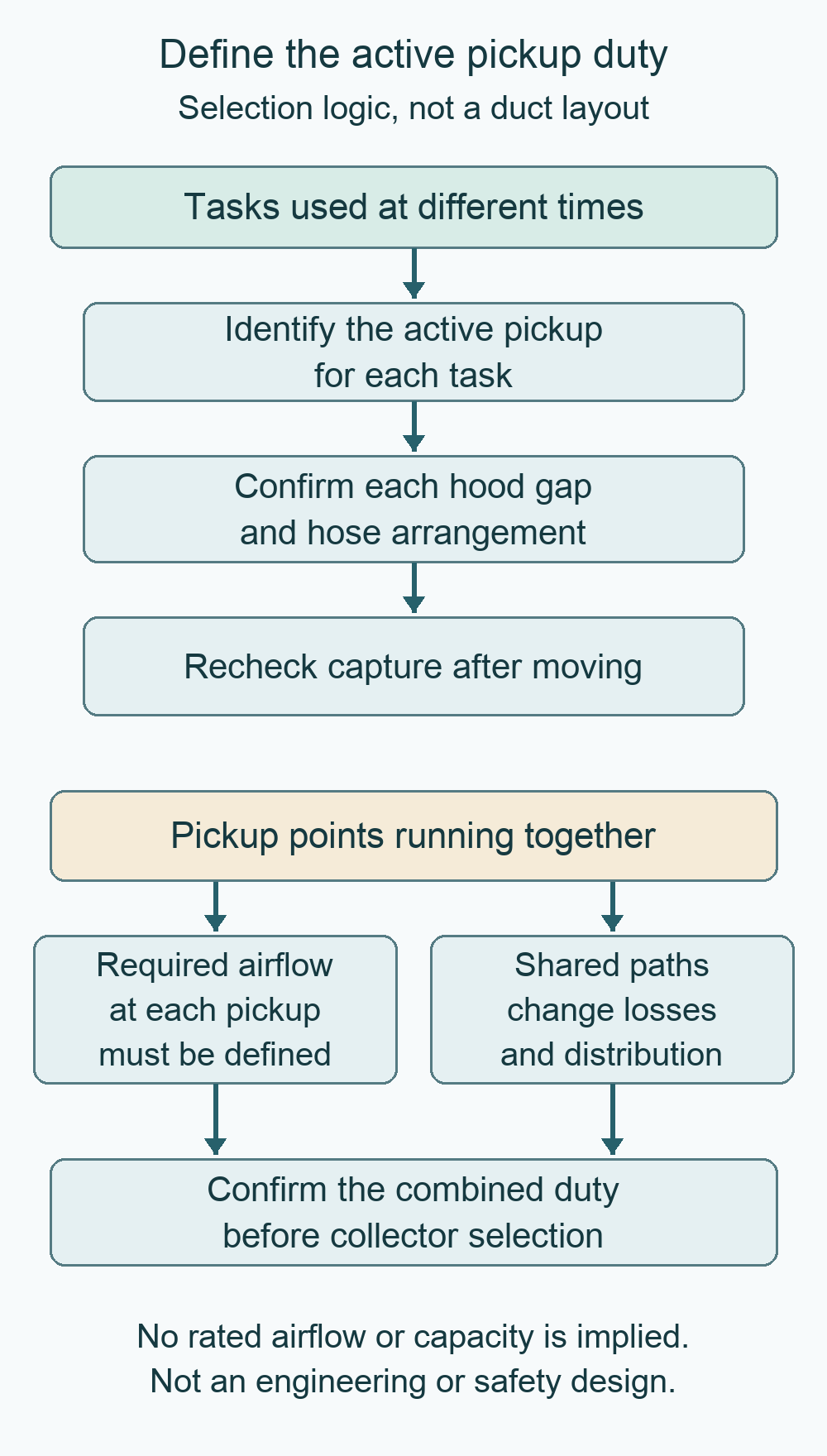
Use local collection only for a bounded workstation duty
A local collector can suit a source with an identifiable release point and a hood or receiving pickup that can remain close to it. Document hose diameter, length, bends, connection changes, crushing risks and the operator’s normal position. Extra hose, branches and restrictive fittings add resistance, so a free-air figure or motor power is not a working capture specification.

Release utilities, controls and access with the duct layout
| Interfaz | Project data | Acceptance / release evidence |
|---|---|---|
| Source and hood | Machine, tool action, enclosure, opening, hood position, source momentum, cross-drafts, operator access and concurrent schedule | Observe agreed representative operations and record the capture condition at each named point under the agreed method |
| Conducto y ventilador | Branch schedule, route, fittings, dampers, inspection/cleaning access, wear zones, total resistance and outlet/return route | Verify agreed airflow/pressure test points, branch balance, deposition observations, fan setting and abnormal-condition response |
| Filtrado y limpieza | Dust data, medium, cleaning method, pressure/condition monitoring, compressed air if required, access and replacement identity | Witness operating and cleaning states, alarms, dust discharge and the agreed downstream-air test rather than inferring performance from appearance |
| Sistemas eléctricos y de control | Voltage, frequency, phases, earthing, motor/control loads, machine interlocks, start/stop sequence, blocked-path response and emergency stop zoning | Test machine/collector permissives, alarm response, controlled stop, loss of utility and safe restart |
| Sitio web y mantenimiento | Indoor/outdoor location, weather, floor/steel support, access platforms, noise boundary, container route, cleanout and lockout access | Approved layout and load schedule preserve inspection, filter service, hopper clearing and sealed container-change access |
Separate combustible-dust evaluation from ordinary collection
Material names such as ceramic, stone, resin or mixed waste do not establish whether a dust is combustible. Screen representative dust and the real process, including particle/moisture information, available explosibility or ignitability data, hot particles, sparks, static, abnormal operation, collector location, connected ducts and any air returned to the building.
The current explosion-protected route is explicitly a combustible-dust project evaluation. Depending on the actual hazard and jurisdiction, qualified project design may need to review equipment location, relief to a safe place, flameless venting where permitted, suppression, detection, inlet/outlet isolation, grounding and bonding, electrical classification, abort/return-air controls, fire-system interfaces, housekeeping and emergency response. Listing those subjects does not mean any one measure is required, sufficient or included.
Plan samples and acceptance before equipment release
Use representative dust from the actual material and operation where testing is required, and identify the sampling point, product condition and laboratory/report. For system acceptance, agree active machines, simultaneous schedule, hood positions, branch and collector state, dust-discharge condition, test points, instruments, sampling method and responsible witnesses before the trial.
Acceptance may include observed capture at named sources, airflow and pressure readings at agreed points, branch balance, filter/cleaning behavior, sealed discharge, secondary release during container change, fault response, housekeeping and the project-specific downstream-air result. No fixed capture efficiency, exposure reduction, outlet concentration, energy saving, capacity or zero-emission outcome is promised here.
For a combustible-dust project, acceptance is an approved document and witnessed-check package tied to the actual dust, installed protection design and jurisdiction. A later change to material, rate, collector location, duct route, return air or connected equipment requires review against the recorded basis.
Send a complete dry-processing and dust-control brief
- Every dust-generating machine and task, with material, tool action, source-point photos/video, enclosure dimensions and simultaneous operating schedule.
- Representative dust information: particle distribution if available, moisture, bulk density, temperature, abrasiveness, chemistry/contamination and available safety or laboratory data.
- Proposed hood/opening positions, operator access, cross-drafts, hose/duct route, branch lengths, bends, elevations and available inspection/cleaning access.
- Required or measured airflow and static pressure with measurement locations and conditions; existing fan, filter, cyclone and return-air information.
- Filter/cleaning preference, compressed air, dust receiver or container, isolation, emptying frequency, lifting and reuse/disposal route.
- Voltage, frequency, phases, earthing, controls, machine interlocks, start/stop logic, ambient conditions, floor/steel support and maintenance access.
- Known ignition sources, hot work or spark paths, static concerns, abnormal conditions and any existing fire or explosion-protection interfaces.
- Project country/region, applicable owner/insurer/authority requirements, responsible engineer, required documents and commissioning witnesses.
- Shift pattern, project timing and the proposed sampling and acceptance method.
Submit source-point, dust, duct and site data for a project review
Final capture, airflow/pressure duty, filtration, discharge, utilities, hazard controls, compliance evidence and acceptance depend on the actual dust, process, installed configuration, project site and responsible engineering confirmation.