
Waterjet systems cut tile, stone, sintered stone, glass and other approved materials by coordinating a motion platform with a high-pressure water circuit, abrasive delivery, cutting head, table, controls and utilities. The buying decision is a system boundary—not a model number or axis label.
Conheça as máquinas e as configurações
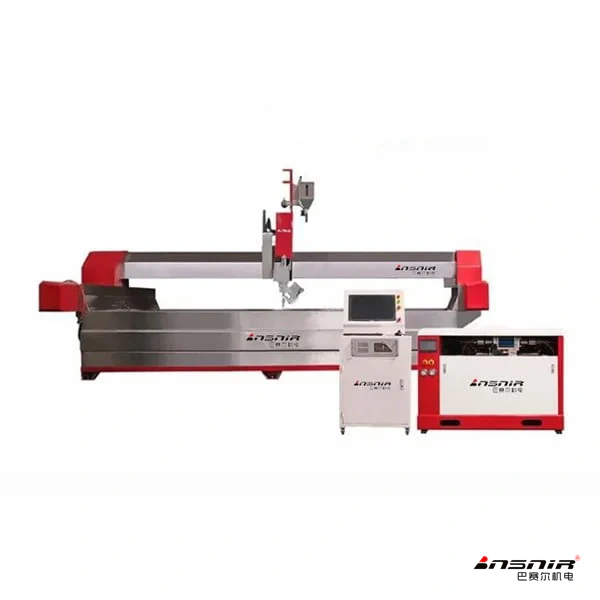
5-Axis Waterjet Cutting Machine
Five-axis waterjet configurations include AB or AC head arrangements and different tables. Confirm orientation, bevel geometry, loading and pressure-system scope.

3-Axis Waterjet Cutting Machine
Three-axis waterjet cutting for two-dimensional profiles and inlay shapes with a vertical head. Match table support and cutting conditions to the drawing.
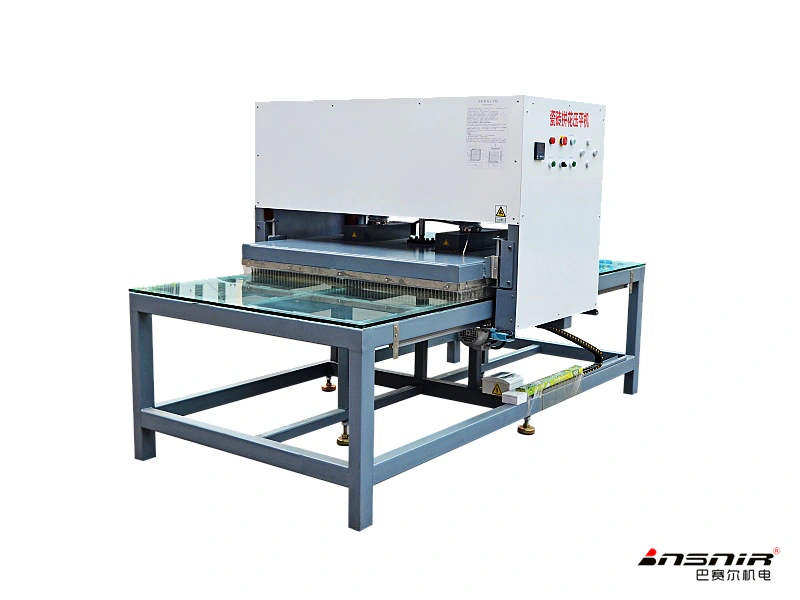
Tile Inlay Flattening Press
Press or flatten assembled tile inlays after positioning and bonding. Confirm assembly build-up, adhesive state, protection layers and the flatness acceptance method.
Information needed for a waterjet proposal
- Material name, construction, thickness range, sheet/slab size and clear photographs
- Representative CAD drawings with vertical, bevel and critical-quality features marked
- Required production mix, batch sizes, target output and working shifts
- Table/loading preference, finished-part removal method and available footprint
- Required software inputs and the operator’s current drawing/nesting workflow
- Available electrical supply, source-water analysis, cooling, drainage and compressed air
- Preferred pump/head make if compatibility is fixed, and current part numbers for replacement work
- Sample-cut and acceptance criteria for dimension, edge and bevel
Request a waterjet system configuration review
Working range, pressure-system selection, cutting result, output, consumables and utilities depend on the material, geometry, selected configuration, trial conditions and engineering confirmation.
Treat pattern assembly as a separate downstream duty
Waterjet cutting produces separate shapes; an assembled inlay also needs location, adhesive handling and pressing or flattening where the design requires it. Define whether the supply boundary ends with cut pieces or includes the subsequent assembly process. The cutting machine does not establish adhesive performance or the flatness of the bonded result.