Compare machine-and-consumable proposals by dividing each one’s total cost over a defined period by the square metres of tile that pass the agreed quality checks in that same period. That quotient — cost per accepted tile output — only means something when every proposal is costed against the same tile mix, incoming tile condition, finish specification, inspection rules and scheduled operating hours, and when each machine’s capital is allocated to the period using an agreed service life and utilization assumption. A proposal with a lower hourly cost or a faster nominal line speed can still finish second once rejects, downtime and tool changes are counted, because those three factors shrink the denominator without shrinking the cost.
Count Accepted Square Metres, Not Gross Tile Output
Accepted square metres are the tiles that pass the agreed quality checks and can be sold or passed to the next station; gross output is everything the machine produced, including pieces that will be downgraded, reworked or scrapped. The denominator decides the comparison, so using gross output hides exactly the difference you are trying to measure.
The distinction matters most where a finishing step can produce dimensionally correct tiles with a surface or edge defect, or visually acceptable tiles that drift outside the dimensional target. A squaring line running slightly out of calibration may still show full gross output while a share of the tiles fails rectangularity. A polishing line with inconsistent abrasive wear may hold dimensions and lose gloss uniformity. In both cases the cost per square metre looks unchanged on gross output and rises on accepted output.
Fix the denominator in area, not in pieces, when the comparison covers more than one format. Counting pieces makes a line running small formats look more productive than a line running large ones, even when the second line delivers more saleable surface per hour. Area also matches how most tile plants price and schedule their work, so the comparison stays consistent with how the plant already measures itself.
Align Tile Mix, Finish, Inspection Rules, and Operating Hours
Every proposal under comparison must be costed against the same tile mix, the same incoming tile condition, the same finish specification, the same inspection rules and the same scheduled operating hours. Change any one of these between proposals and the resulting figures describe different jobs, not different machines.
Incoming condition deserves as much attention as the finish target. A squaring line fed with tiles that arrive with greater size variation or more pronounced warpage has to remove more material per edge, which changes wheel life, power draw and the share of tiles that fall outside the dimensional target. If one supplier assumes well-conditioned fired tile and another assumes a wider incoming spread, the two proposals will show very different consumable consumption for reasons that have nothing to do with the machines. Structuring a squaring trial so machine, wheel and tile input stay separable is what keeps that distinction visible.
Inspection rules need to be written down before any trial runs, because they define which tiles enter the denominator. If those rules reference Ladrilhos cerâmicos – Parte 2: Ensaios de solidez da cor à luz, which gives methods for determining tile dimensions and surface quality, pieces under 4 cm² are excluded from length, width, side straightness, rectangularity and surface flatness measurements. That exclusion does not automatically extend to thickness or surface quality, so the project’s inspection procedure has to say how small pieces are treated for those characteristics. The standard sets methods; which limits apply to your tiles and which defects count as rejects is set by the project’s acceptance criteria and approved by whoever the project designates.
Scheduled operating hours complete the basis. Two shifts with a planned changeover window is a different cost period from three shifts running a single format, and the capital allocation changes with it.
Allocate Machine Capital Over the Same Cost Period
Each machine’s purchase and installation cost belongs in the comparison as a share allocated to the chosen cost period, calculated from an agreed service life and an agreed utilization assumption. Without both assumptions stated, a cheaper machine with a shorter service life and a more expensive machine with a longer one cannot be placed on the same scale.
Service life and utilization pull in different directions, and both have to come from the same discussion. A longer assumed service life spreads capital thinner and flatters the more expensive machine. A higher assumed utilization spreads the same capital over more accepted square metres and flatters whichever machine carries more capital. Because these assumptions are negotiable, write them into the comparison explicitly and apply the identical pair to every proposal rather than accepting each supplier’s own figures.
Include the installed cost, not the quoted machine price. Dust extraction ducting and filtration at the grinding heads on a dry squaring line, or process water supply, settling and slurry handling on a wet line, are capital items that differ sharply between configurations and that a plant must provide before the machine can run at the assumed utilization. Guarding and electrical conformity work needed to integrate the machine into the existing line belongs in the same figure. Leaving these out of one proposal and not the other produces a ranking that reverses once the installation quotations arrive.
Add Consumables, Labor, Utilities, Maintenance, Scrap, and Rework Costs
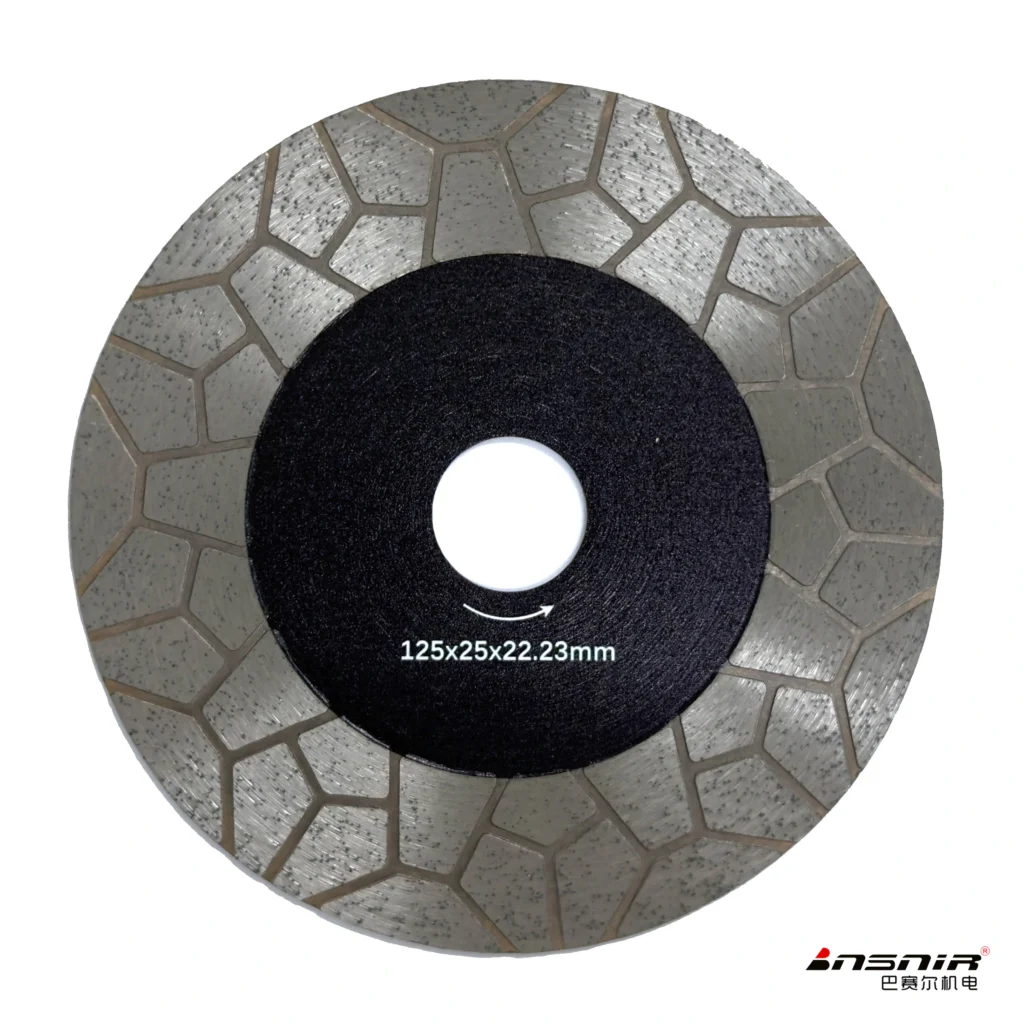
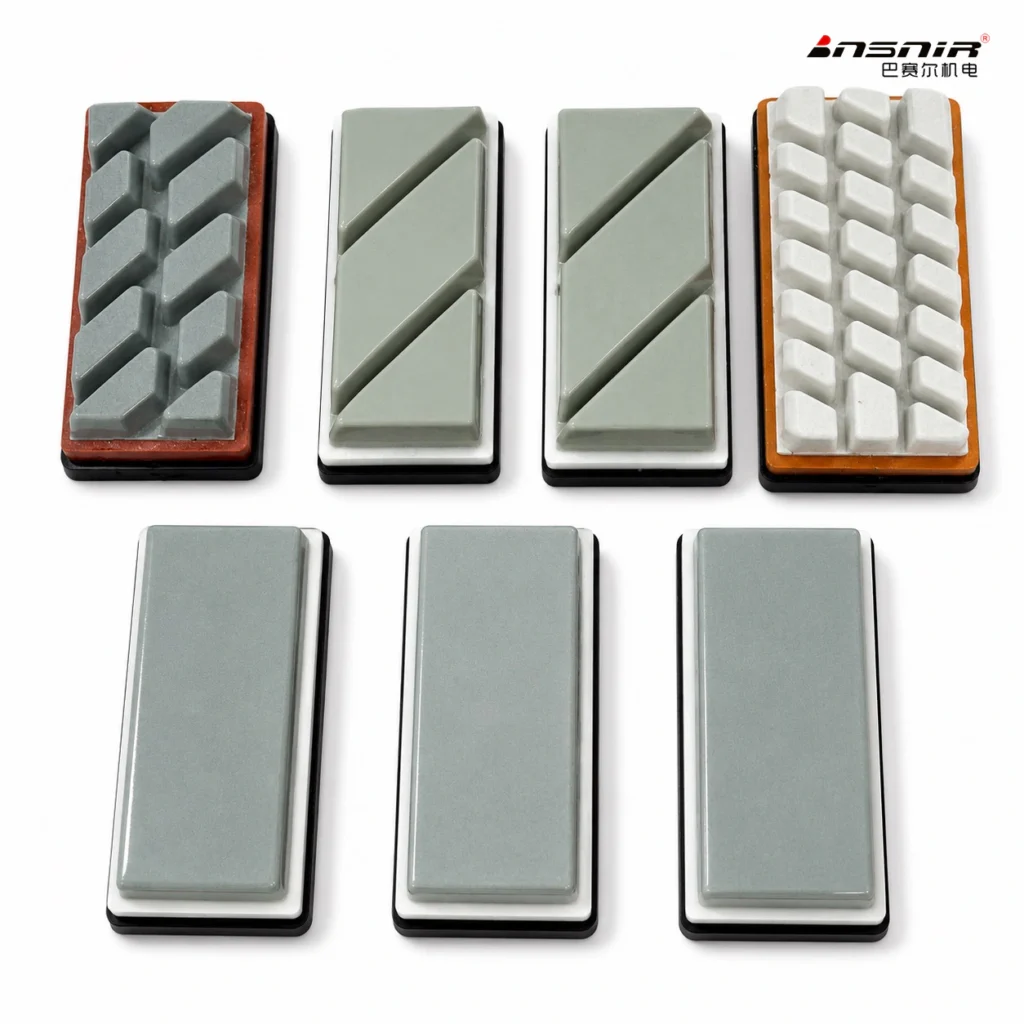
On top of the allocated capital, count every running cost actually incurred in the cost period: diamond squaring and chamfering wheels, saw blades, lappato blocks, polishing pads and Fickert brushes consumed; operator and supervision labor; electricity, water and compressed air; scheduled and unscheduled maintenance including spares and service labor; and the cost of scrapped and reworked tiles.
Consumable cost is best expressed as the consumption the period actually produced, not as a unit price. A wheel that costs less per piece but is replaced more often, or that loses its edge geometry before it loses its diamond, can carry a higher cost per square metre and also cost accepted output through the changes it forces. The qualification trial for abrasives is where wear stability across a batch becomes visible, and that stability is what makes consumption predictable enough to cost.
Scrap and rework need separating, because they behave differently. A scrapped tile removes its own area from the denominator and carries the full value of everything already spent on it upstream. A reworked tile can re-enter the accepted count but consumes machine time, labor and consumables twice, which raises the numerator while the denominator stays the same. A line that reworks heavily can look acceptable on reject rate and still cost more per accepted square metre than one that scraps a little more.
Utilities deserve a line of their own where the process choice changes them materially. Dry squaring converts its utility demand into extraction and filtration load, while wet squaring converts it into water supply, pumping and slurry handling, including the cost of treating or disposing of the solids. Both are real period costs, and comparing a dry proposal’s electricity against a wet proposal’s electricity alone understates the difference.
Record Trial Yield, Uptime, and Tool Changes
A representative trial should produce four records: accepted square metres, gross square metres, uptime within the scheduled hours, and the number and timing of tool changes. Together these give the denominator and explain why it is what it is.
Record the reasons for rejects and for stoppages alongside the counts, because the reason determines whether the figure transfers to production. Rejects traced to one batch of incoming tile with unusual warpage say something different from rejects distributed evenly across the run. A stoppage caused by an upstream handling jam does not belong to the machine being assessed, while a stoppage to re-dress or replace a wheel does. Tool changes should be logged with the square metres completed since the previous change, which converts them directly into consumable cost per square metre and into lost running time.
Run the trial on the tile mix and incoming condition agreed for the comparison, and run it long enough that at least one full tool-change cycle falls inside it. A trial that ends before the first wheel or abrasive set needs replacing reports a consumable cost of zero and an uptime figure that production will not repeat. Where a trial produces tiles that will be sold, whether those tiles are released remains a decision for the project’s approved procedure and its designated approver, not for the trial records themselves.
Calculate Period Cost per Accepted Square Metre
Add the capital allocated to the period to all running costs incurred in that period, then divide by the accepted square metres recorded in the same period. One cost period, one set of assumptions, one quotient per proposal.
Keep the arithmetic traceable by holding the three parts visible rather than collapsing them into a single figure: allocated capital, running costs, and accepted area. When two proposals come out close, the split shows which part is driving the difference and which assumption would have to move to reverse it. A proposal that wins only because of a generous utilization assumption is a different proposition from one that wins on consumable consumption and yield.
Test the result for sensitivity before treating it as a ranking. Recalculate each proposal at a lower utilization and at a higher reject rate, using the same altered figures for all of them. If the order holds across those cases, the comparison is robust. If it flips, the deciding variable is the assumption, not the machine, and that assumption needs settling with the plant’s own production data before any purchase decision rests on it.
Recheck Machine-and-Consumable Rankings as Reject Rate or Utilization Changes
| Comparison case | Effect on cost per accepted square metre | Check before ranking proposals |
|---|---|---|
| More rejects, with gross output and total period cost unchanged | Fewer square metres pass the agreed quality checks, so cost per accepted square metre rises. | Compare accepted area under the same tile mix, finish specification, and inspection rules. |
| Less uptime in the same scheduled period | If accepted area falls while period cost stays unchanged, that cost is spread over fewer accepted square metres. | Use recorded uptime, tool changes, and accepted area from representative trials. |
| Fewer rejects but less uptime | The two changes can pull accepted output in different directions; neither measure alone establishes the lower-cost proposal. | Compare each proposal’s actual period cost and accepted square metres from representative trials. |
| A different utilization assumption | The capital cost allocated to the period may change, altering total period cost even if accepted output is unchanged. | Recalculate each proposal using an agreed service life, utilization assumption, and common cost period. |
A cost per accepted square metre describes one tile mix, one finish specification, one inspection rule set and one operating schedule, so recalculate it whenever any of those change. The ranking between proposals is not a property of the machines; it is a property of the conditions you costed them under.
The mechanism behind every recalculation is the same. The numerator and denominator move independently, and a change that improves one can worsen the other. Fewer rejects raise accepted area. Less uptime lowers it. When both move together, the accepted area can go either way, and neither the reject rate nor the uptime figure on its own tells you which proposal now costs less — only the recalculated quotient from recorded period cost and recorded accepted area does. Changes to the utilization assumption work differently again: they move the allocated capital inside the numerator while the accepted output stays where the trial put it.
Treat format and finish changes as triggers for a full recalculation rather than an adjustment. Moving from a matte Fickert-brushed finish to a polished one changes the abrasive sequence, the time per tile and the defects that inspection will catch. Moving to a larger format changes material removal per edge, handling, and the area lost with each rejected piece. In both cases the consumable consumption and the yield recorded in the earlier trial no longer apply.
For the supplier discussion that follows, have ready the tile material, format range and thickness, the target dimensions and finish, the required line speed, the inspection rules and acceptance criteria the plant will apply, the scheduled operating hours, and the existing handling, water and extraction interfaces the machine must connect to. Supplying the service life and utilization assumptions you intend to use lets every proposal come back on one basis, which is the only condition under which the resulting figures can be ranked at all.
Perguntas frequentes
P: How can I compare a quote that includes abrasives and maintenance with one that prices them separately?
R: Put both proposals on the same cost basis for the planned period. Identify what each quote includes, add costs that fall outside it, and count included items only once. Use the consumable usage and maintenance needs relevant to each proposed machine and abrasive combination.
P: Should a tile that passes inspection after rework count as accepted output?
R: Yes, count its accepted area once, after it passes the agreed checks. Include the rework costs and time incurred; do not count the tile once as gross output and again after rework.
P: How should I combine results from several tile formats?
R: Use the planned production mix to estimate each format’s period cost and accepted square metres, then divide the combined cost by the combined accepted area. A simple average of each format’s cost per square metre can misrepresent a mix with unequal production volumes.
P: When might a higher-priced machine produce accepted tiles at a lower cost?
R: Only when its measured savings in running costs and accepted-output performance outweigh its additional capital cost over the agreed period. Compare the complete proposals at the expected production volume and quality criteria; the quote difference alone cannot establish the result.